For homes
Homes here run furnaces hard from October through March. We check ignition, flame sensing and airflow so your house warms up and stays warm.
- Furnace runs but air is cool
- Short cycling and cold rooms
- Furnace clicks but will not light
When your furnace runs but the vents push cool air, you need furnace blowing cold air repair Pocatello ID homeowners can count on. We test ignition, flame sensing, gas pressure and blower operation, then fix the actual fault instead of guessing. Whether it is a dirty flame sensor, a failing igniter or a blower motor on its way out, we carry the parts and get heat back into your rooms the same visit.
 Ignition testedFlame sensor checkedTemperature rise verified
Every cold-air call includes a full diagnostic sequence, a repair quote before work begins, and a verification run after the fix. Parts are billed separately from labor, and we tell you the total before we start. Here is what is covered on a standard visit.
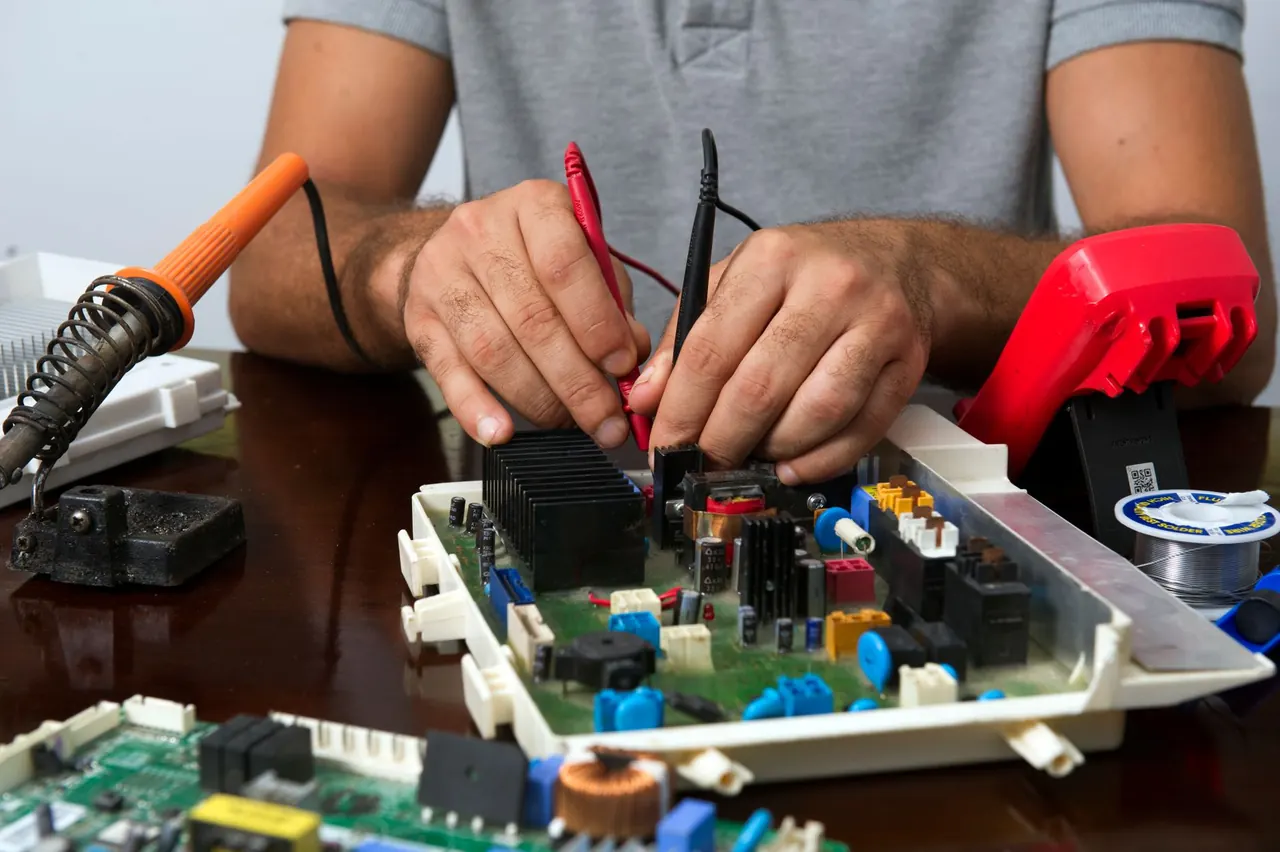
We test the thermostat call, inducer motor, ignition, flame sensing, gas valve and blower in order. Voltage, amp draw, gas pressure and temperature rise are measured with a multimeter, clamp meter and combustion analyzer so the failed part is identified, not guessed.
We clean or replace the flame sensor, test the hot surface igniter, and verify the burners light and stay lit. A dirty flame sensor is the single most common cause of a furnace that fires briefly and then blows cold air.
Gas pressure at the valve is checked against manufacturer spec, the air filter is inspected, and blower amp draw is measured. Restricted airflow from a clogged filter or a failing blower motor trips the limit switch and leaves you with cool air.
We inspect the heat exchanger for cracks, check for gas leaks with a detector, and confirm the inducer motor and limit switch are functioning. Safety faults get documented and explained before we close the panel.
Failed components are replaced with correct-spec parts, and the furnace is run through a complete heat cycle. Supply-air temperature is confirmed at 90 to 120 degrees, and you get a plain explanation of what was wrong and what we did.
The approach is the same for a home and a business. What changes is the access, the schedule and who needs the paperwork.
Homes here run furnaces hard from October through March. We check ignition, flame sensing and airflow so your house warms up and stays warm.
Shops and offices cannot afford cold air during business hours. We diagnose rooftop and split-system furnaces and repair them with minimal disruption to your operation.
A plain-language look at what Furnace Keeps Blowing Cold Air involves and when it is needed.
See how it worksfurnace blowing cold air repair Pocatello ID is a diagnostic and mechanical repair service that finds why a furnace runs without producing heat and restores proper combustion, airflow and temperature rise. A furnace that blows cold air is usually failing at one of four points: ignition, flame sensing, gas delivery or blower control. We check each one in sequence with a multimeter, a manometer and a combustion analyzer, so the repair targets the failed component rather than the symptom. Most cold-air calls trace back to a dirty flame sensor, a weak igniter, a stuck gas valve or a blower motor that never reaches speed.
Pocatello winters push furnaces hard from October through March, and overnight lows near zero expose every weak part in the system. Homes in Pocatello Heights and the University Area often run older Carrier, Lennox and Goodman units that have never had a combustion analysis, so a flame sensor or thermocouple fails right when you need heat most. If you search furnace blowing cold air near me Pocatello, the fix is usually a same-day repair, not a full system replacement. We see this pattern every cold snap, and we stock the common parts to close it out in one trip.
A furnace blowing cold air is usually one failed part, found by testing the sequence in order.
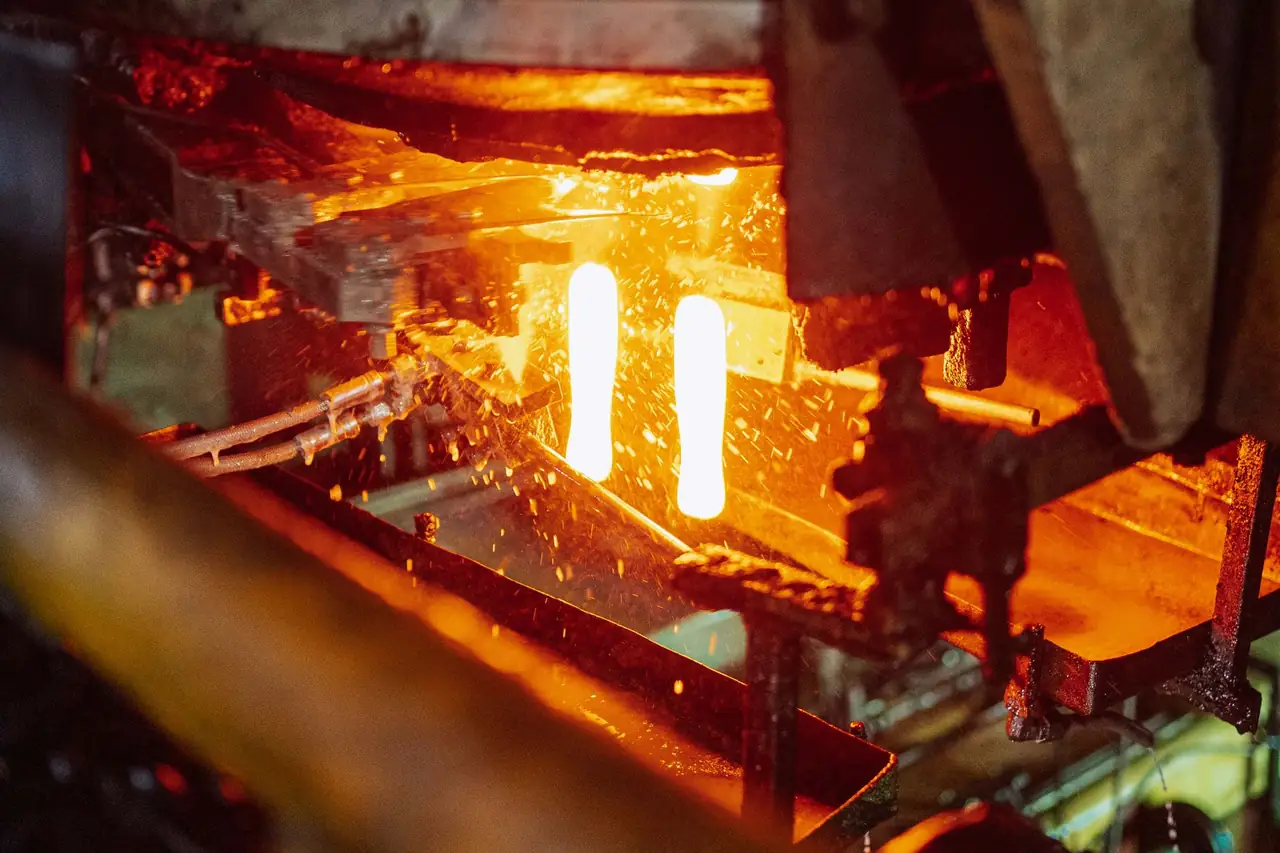
Five steps, start to finish. You know what we are doing and why at every stage.
You call (208) 764-8111 and describe what the furnace is doing: running but cold, short cycling, or not firing at all. We ask about the thermostat setting, filter condition and any error codes on the board, then book a window that fits your day. Most Pocatello calls get a same-day slot.
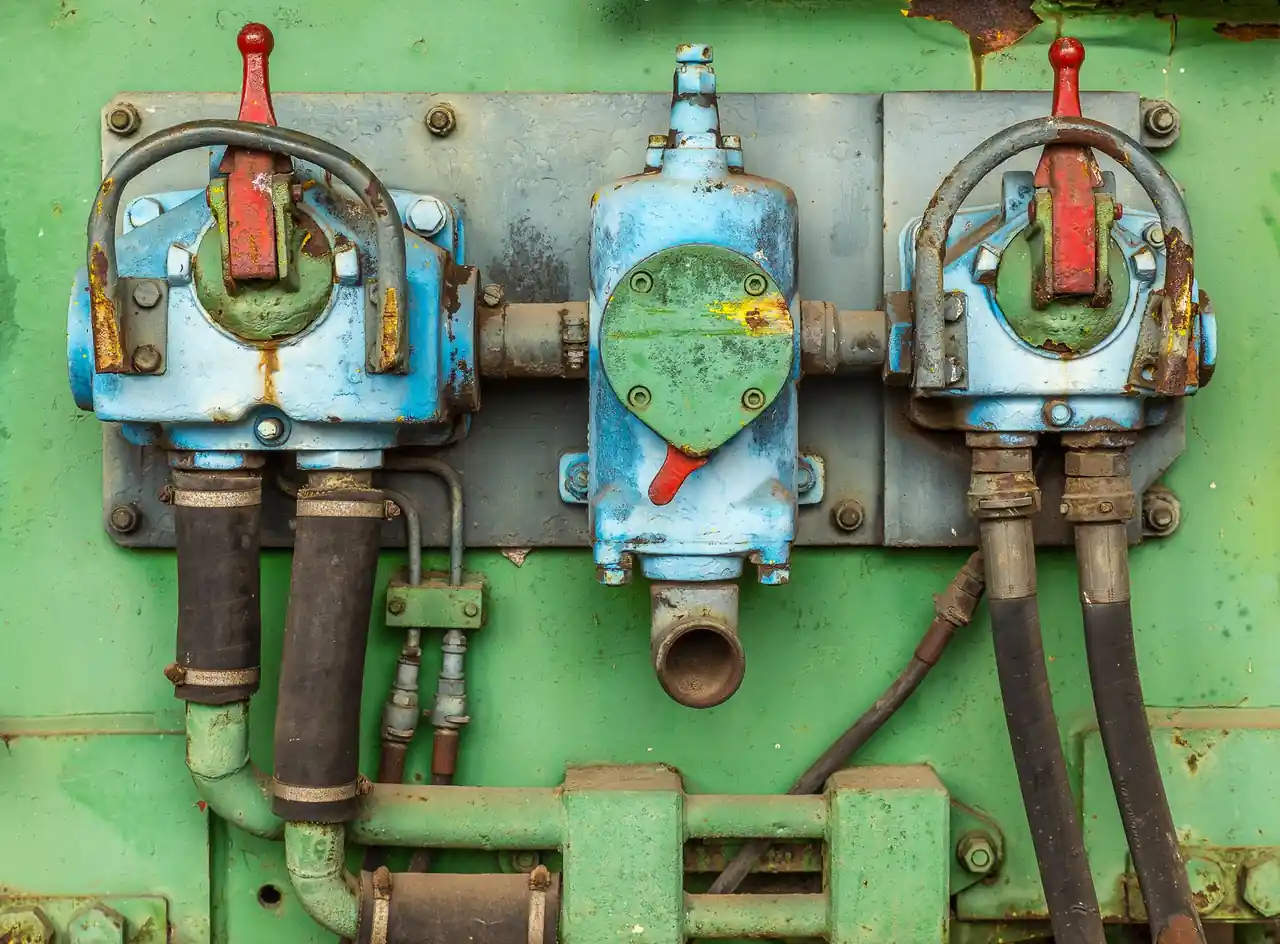
The technician walks the system with you, confirms the complaint, and checks the thermostat, filter and breaker before opening the furnace. We lay drop cloths, shut the gas at the valve, and pull the panel. This takes about 15 minutes and tells us where to focus.
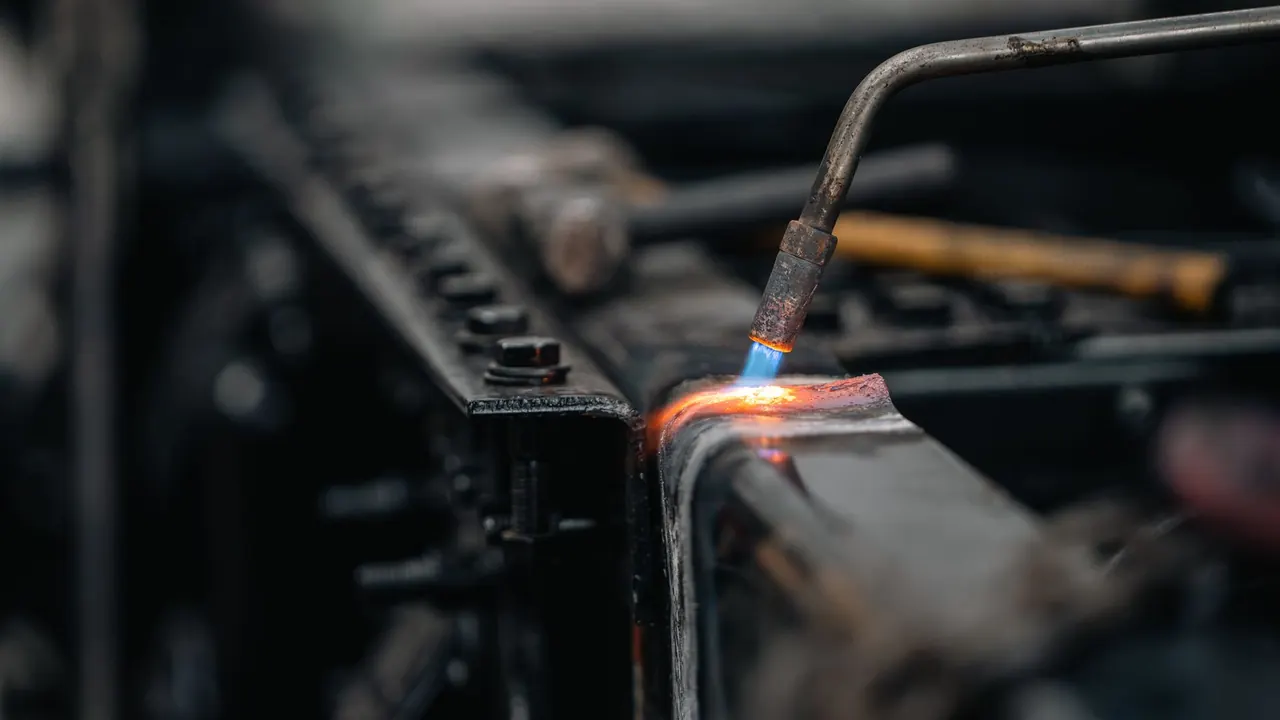
We run the call for heat and watch the sequence: inducer motor, ignition, flame sensing, gas valve, then blower. A multimeter, clamp meter and combustion analyzer confirm voltage, amp draw, gas pressure and temperature rise. This is where we find the failed part, usually within 30 to 45 minutes.
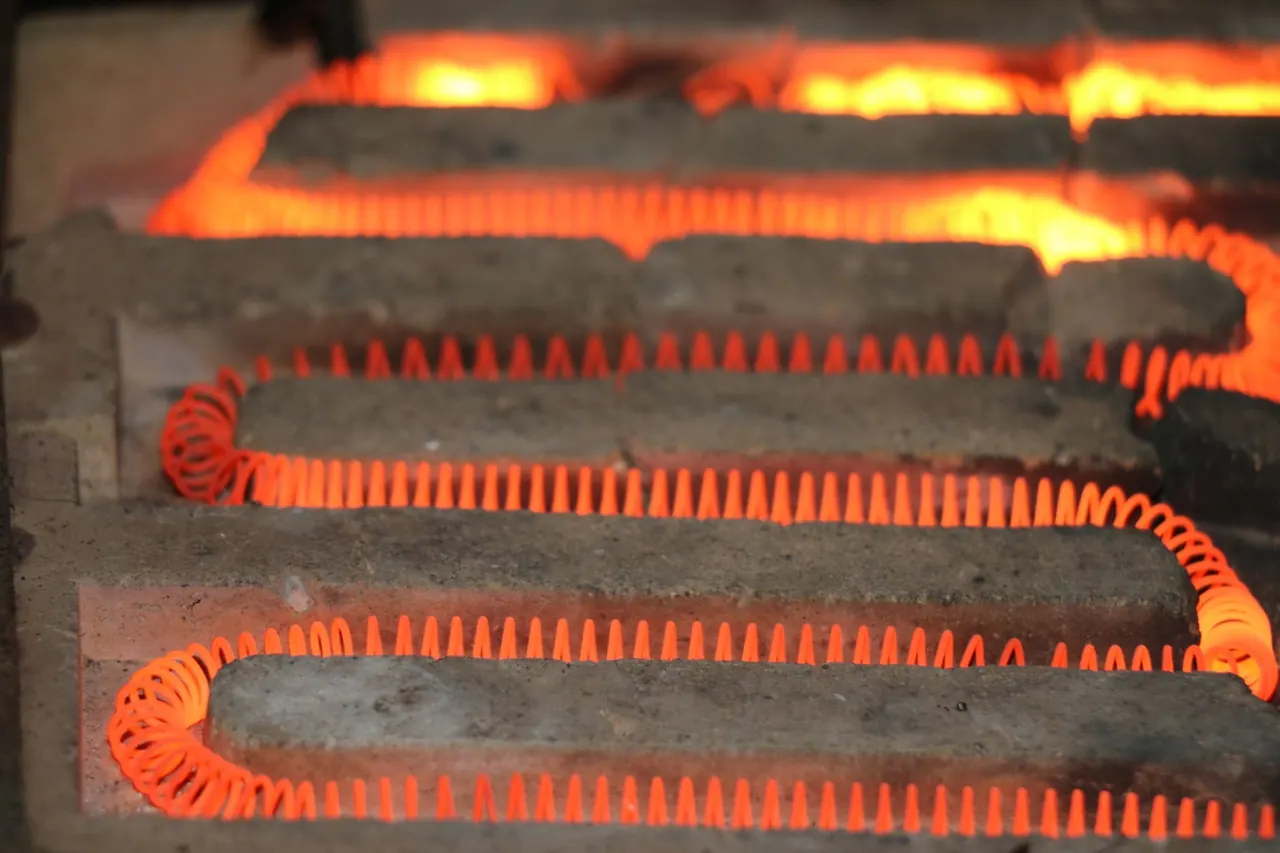
We quote the repair before we start, then replace the failed component: igniter, flame sensor, thermocouple, gas valve, blower motor, capacitor, limit switch or control board. Most repairs take one to two hours, and we test the furnace through a full heat cycle before closing it up.
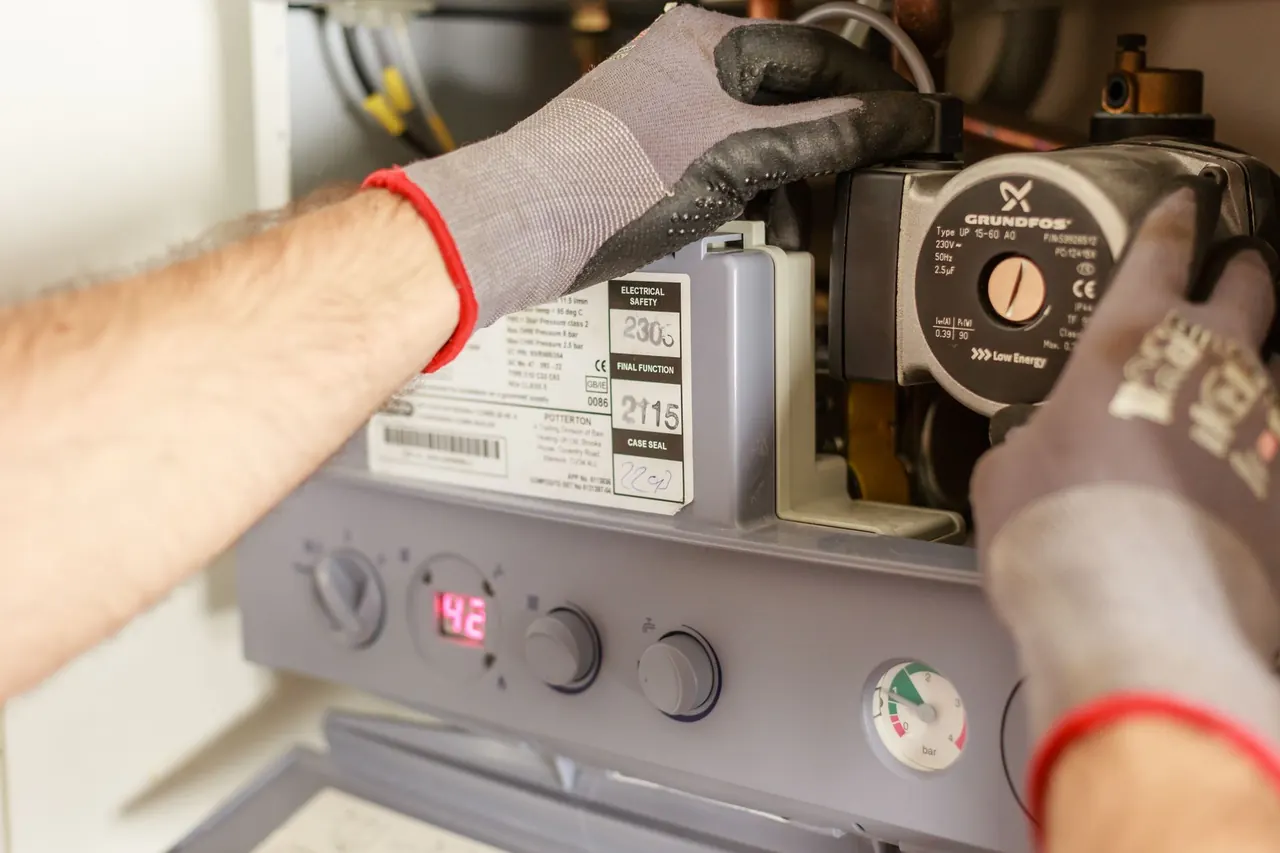
We confirm a steady 90 to 120 degree supply-air temperature, check for gas leaks, and log the readings. You get a plain explanation of what failed, what we replaced, and what to watch next winter. Filter changes and thermostat settings get covered before we leave.
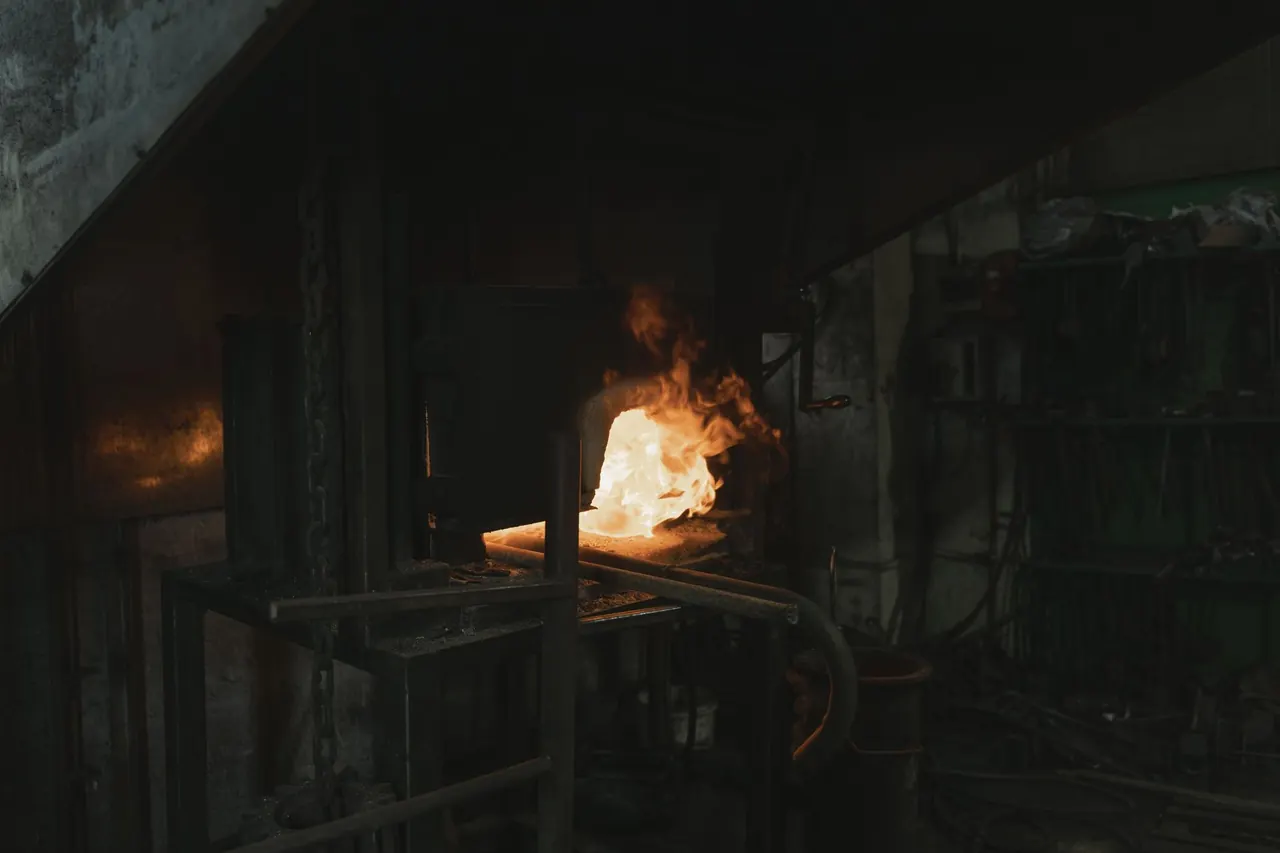
Move across a circle, or focus it and press Enter, for an illustrative thermal view of the photograph.
Measures gas supply and manifold pressure at the valve to confirm the furnace is getting the fuel pressure the manufacturer specifies.
Tests voltage at the igniter, flame sensor, gas valve and control board, and measures blower motor amp draw to catch a failing motor.
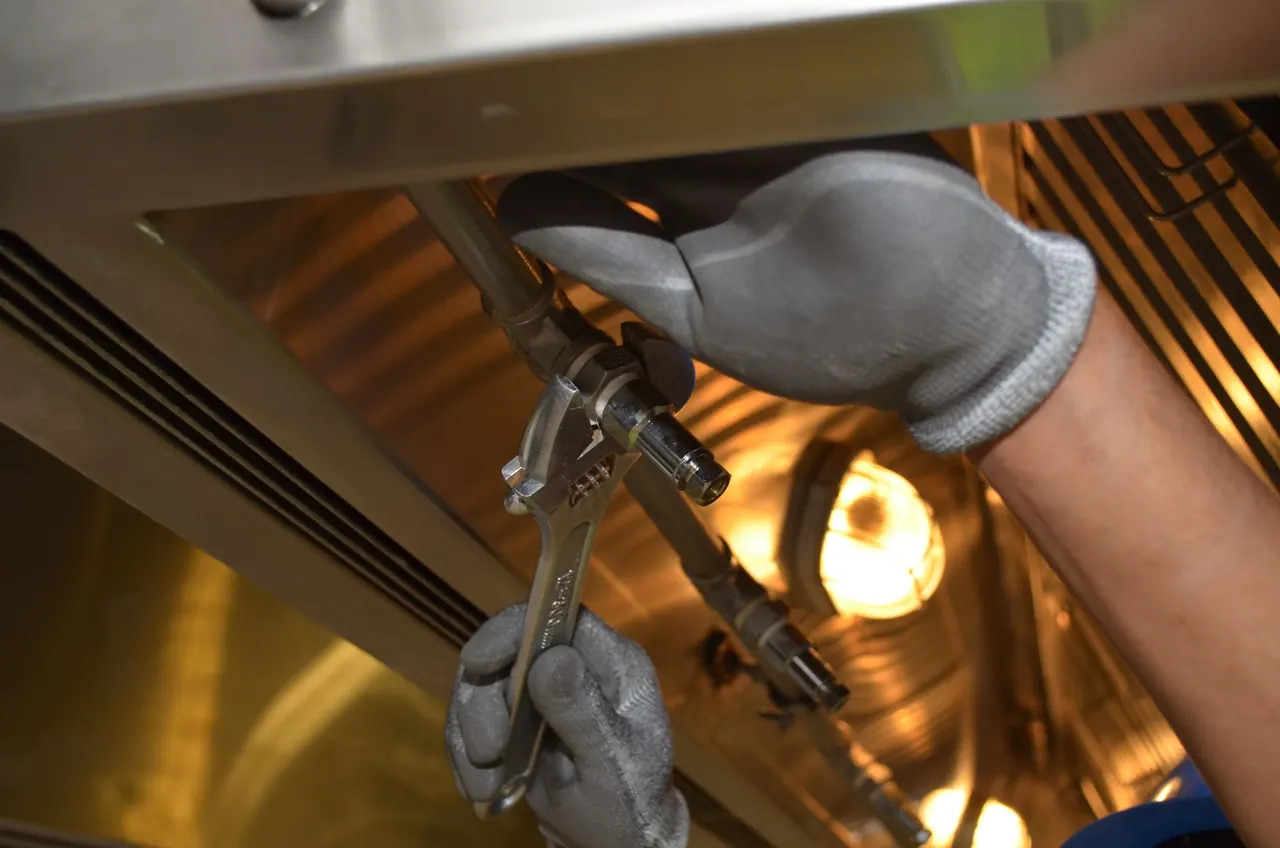
Reads flue gas temperature and oxygen levels to verify the furnace is burning correctly and the heat exchanger is not compromised.
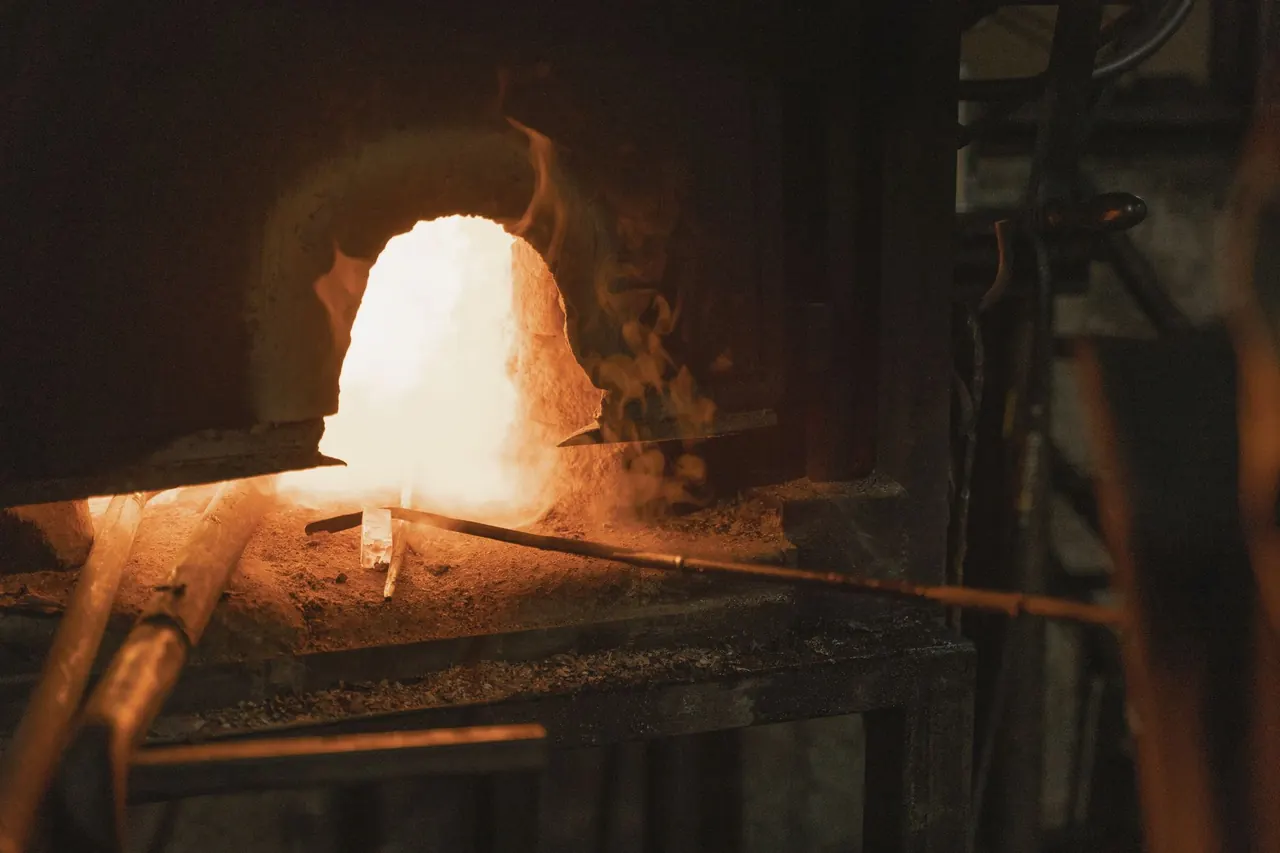
Sniffs for leaks at gas connections and the valve before and after any repair involving the fuel system.
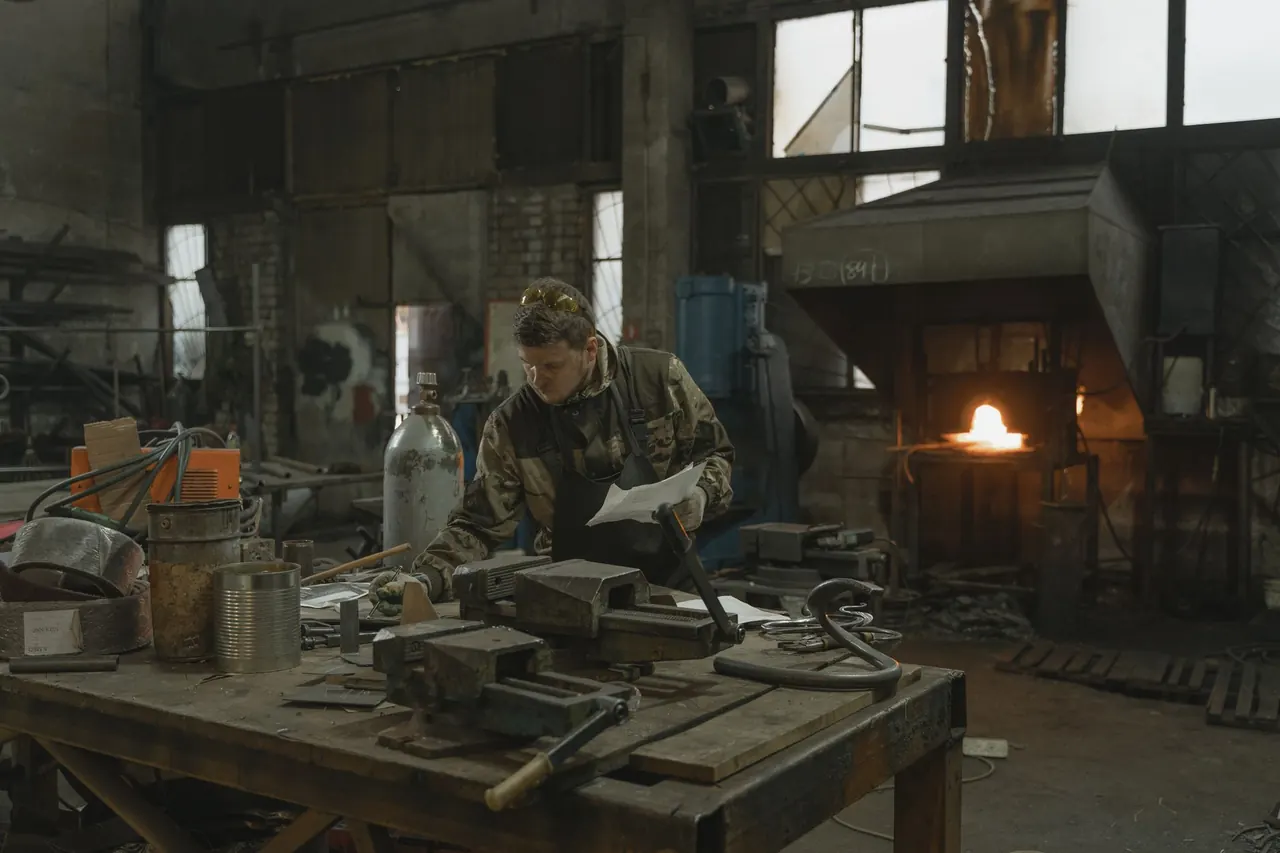
Confirms whether the flame sensor is producing enough microamps to keep the burners lit, or whether it needs cleaning or replacement.
Thermal views are illustrative, generated from the photographs.
Checks the capacitor that starts and runs the blower motor, a common failure point when a furnace blows cold air.
We follow the furnace through its full startup order: thermostat call, inducer motor, pressure switch, ignition, flame sensing, gas valve, blower. Testing in sequence isolates the failed step instead of replacing parts at random.
Supply and return air temperatures are measured and compared to the data plate range, usually 35 to 65 degrees. A low rise confirms the furnace is not producing enough heat and points to a combustion or airflow problem.
We measure static pressure across the filter and blower to see if restricted airflow is tripping the limit switch. A clogged filter or undersized return duct is often the real cause of a furnace blowing cold air.
Our repair and installation work follows ACCA quality standards for airflow, combustion and safety. That means the furnace is tested and documented, not just restarted and left.
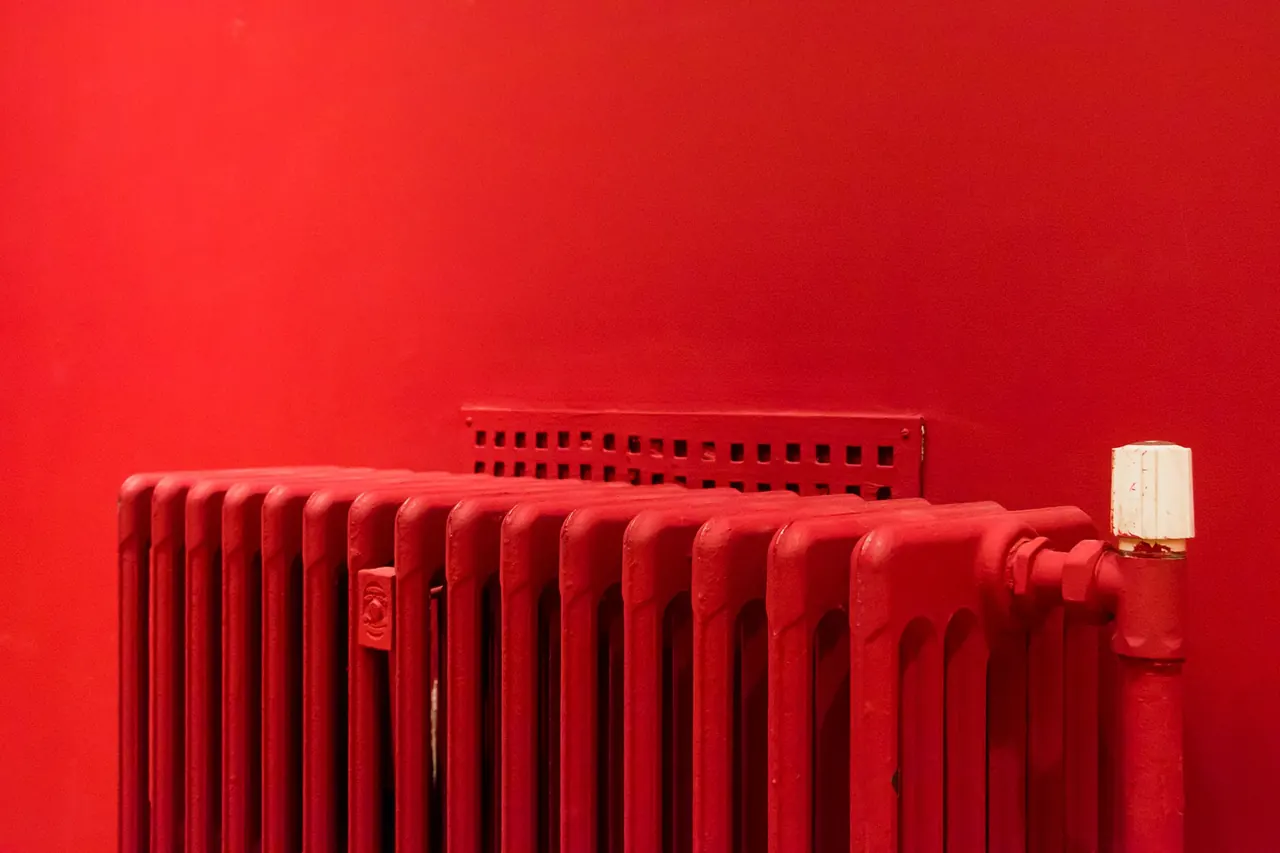
You wake up on a January morning in Highland Area and the house is 55 degrees with the furnace running.
We treat this as a priority no-heat call. A technician arrives, tests the ignition and flame sensor, and usually finds a dirty sensor or failed igniter. We replace the part, verify temperature rise, and have heat back within a couple of hours.
Outcome: You get a warm house the same morning and a clear explanation of what failed, plus a filter check to prevent a repeat.
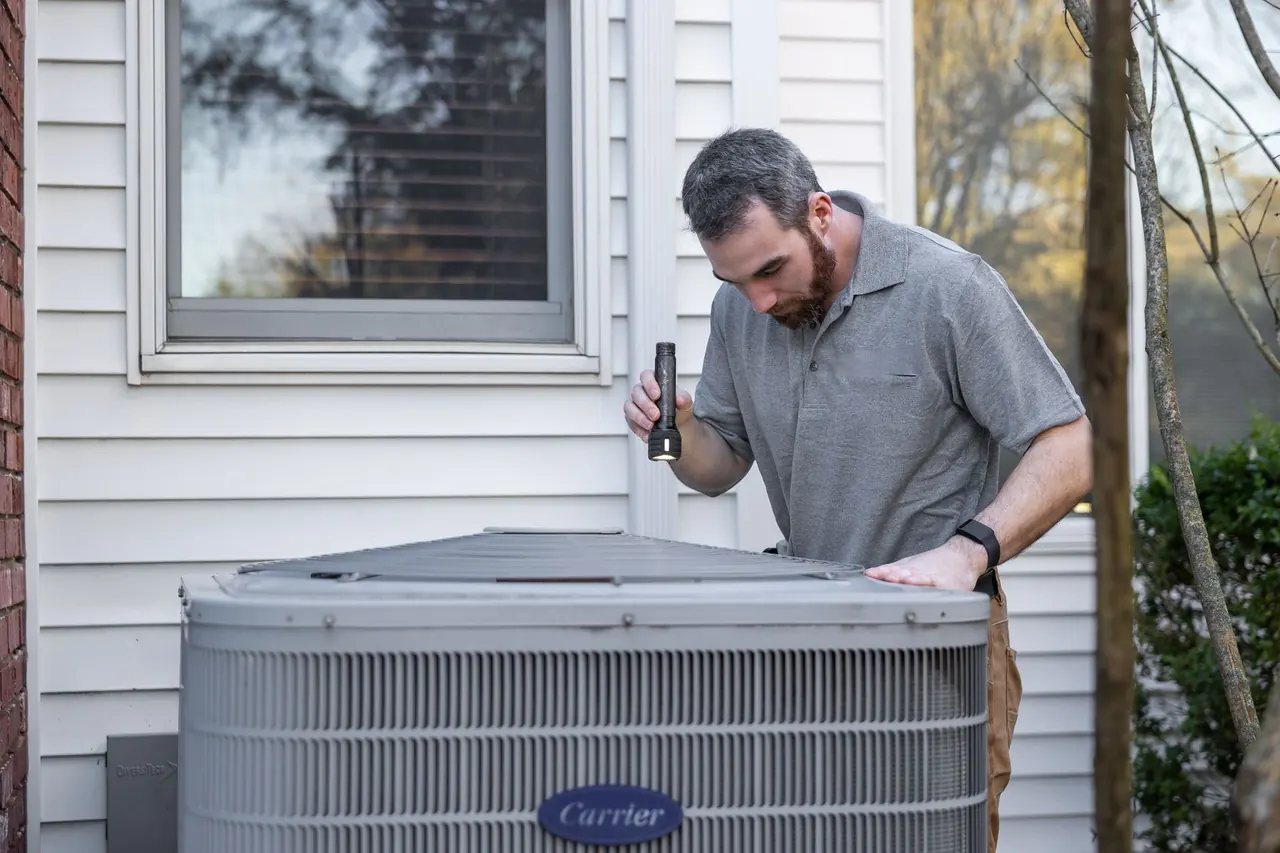
Your rental near the University Area has tenants complaining of cold air and you are out of town.
We coordinate directly with the tenant, diagnose the furnace, and call you with the repair quote before starting. Common fixes are blower capacitors, flame sensors and limit switches, all of which we stock on the van.
Outcome: The tenant has heat the same day, you get a written summary of the repair, and the property stays habitable without an emergency trip.
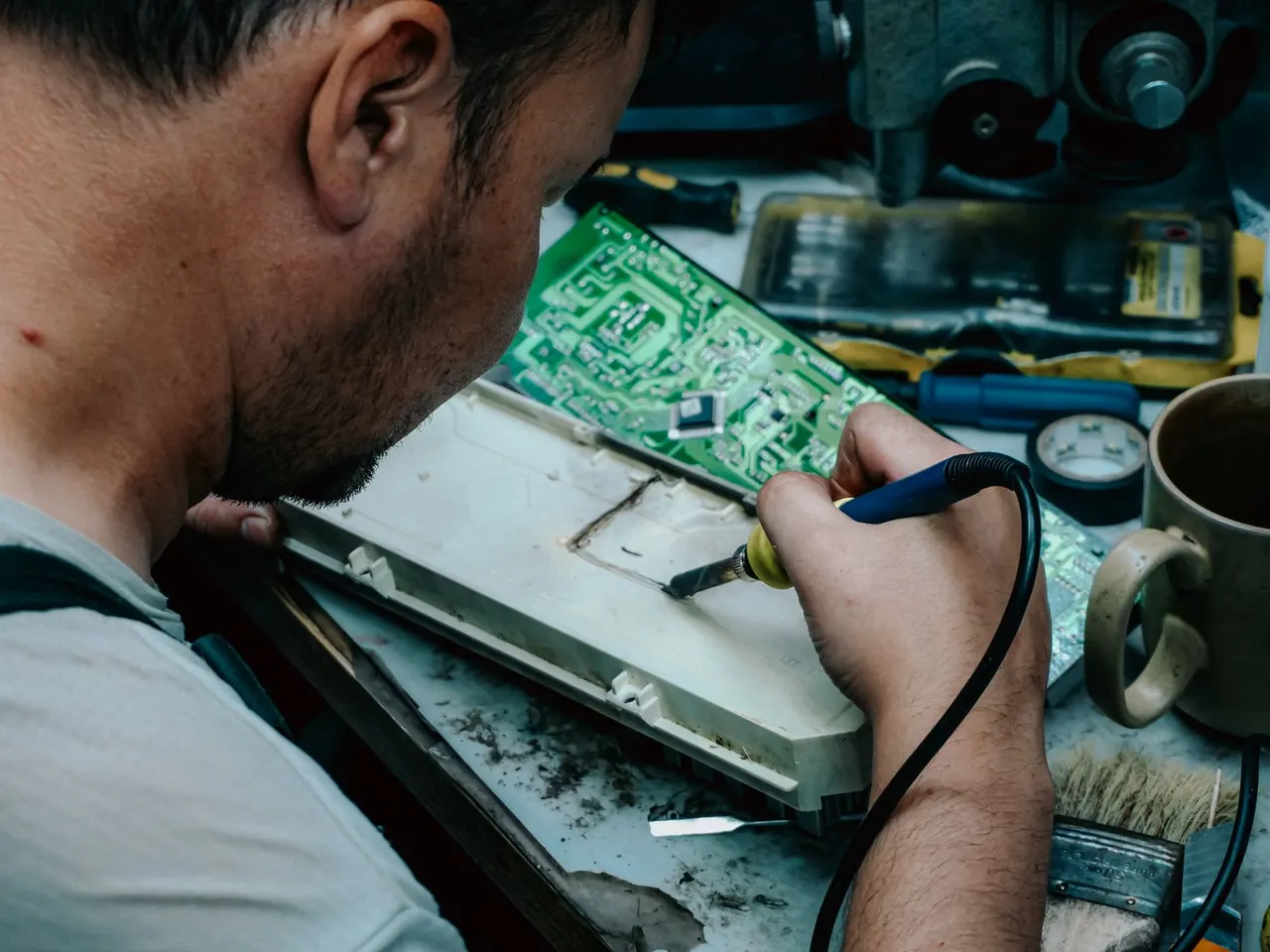
Your furnace runs for a few minutes, blows cool air, then shuts off and repeats the cycle in Chubbuck.
Short cycling like this usually means a tripping limit switch or restricted airflow. We check the filter, measure blower amp draw, and test the limit switch. If the switch is weak or the blower is failing, we repair it on the spot.
Outcome: The furnace completes full heat cycles again, your gas usage drops, and the blower motor stops wearing out prematurely.
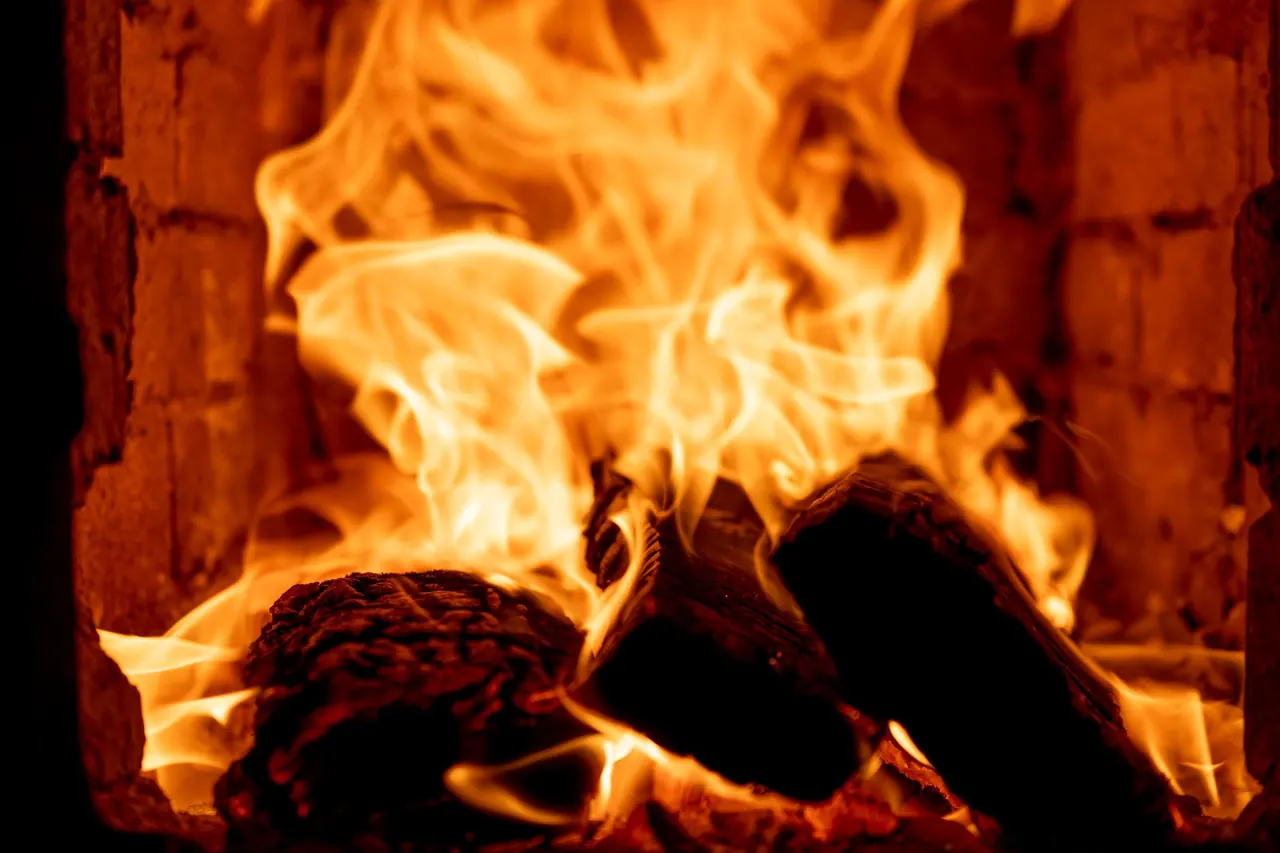
You smell gas near the furnace in your Old Town Pocatello home and the heat will not come on.
We treat gas odor as an emergency. The technician checks connections with a gas leak detector, tests the gas valve, and confirms the inducer motor is proving draft. Any leak is repaired before the furnace is restarted.
Outcome: The leak is fixed, the furnace lights safely, and you get documentation of the gas pressure readings and the repair.
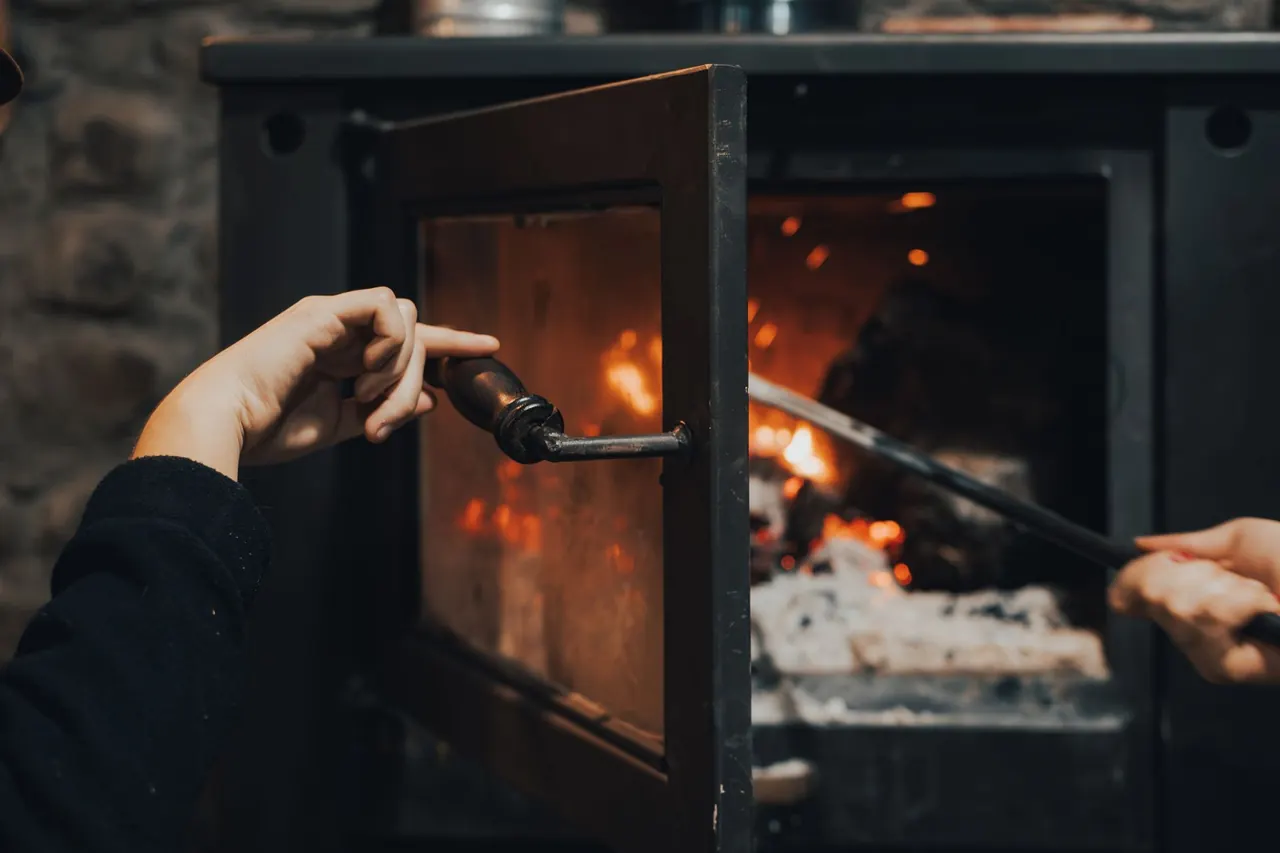
Pocatello winters are dry and cold, with overnight lows that regularly drop below zero from December through February. That kind of cold exposes weak ignition parts fast, so a furnace that worked in November often starts blowing cold air during the first hard freeze.
Most homes here have gas furnaces, though propane units are common in rural areas like Mink Creek and Tyhee, and both types fail in similar ways: dirty flame sensors, failed igniters, weak blower capacitors and tripping limit switches. Older homes near Old Town and the University Area often have undersized return ducts, which restricts airflow and causes limit switch trips.
Newer builds out toward Bannock Highway tend to have high-efficiency condensing furnaces, where a frozen condensate line can lock out the furnace and leave you with cold air. If you call for furnace cold air troubleshooting Pocatello ID during a cold snap, we prioritize no-heat calls and stock the parts that fail most in this climate.
Before: A homeowner in Pocatello Heights had a furnace that lit for three seconds, went out, and blew cold air. The blower ran constantly and the house sat at 58 degrees overnight.
After: We cleaned the flame sensor, verified the microamp reading, and confirmed the burners stayed lit through a full cycle. Supply air reached 112 degrees and the house warmed to 70 within an hour.
Replace the air filter every one to three months and schedule a flame sensor cleaning each fall before the first freeze.
Before: A Chubbuck rental furnace was short cycling every few minutes and blowing cool air between cycles. The blower motor was drawing high amps and the limit switch kept tripping.
After: We replaced the weak blower motor capacitor, measured normal amp draw, and verified the limit switch no longer tripped. The furnace ran full cycles and the tenant had steady heat the same day.
Have blower amp draw checked annually and keep the filter clean to reduce strain on the motor and capacitor.
Before: An Old Town Pocatello home had a furnace that clicked and locked out three times, then blew cold air. The igniter glowed but the burners never lit, and the control board showed a lockout code.
After: We tested voltage at the gas valve, confirmed it was not opening, and replaced it with a correct-spec valve. Gas pressure was set to manufacturer spec and the furnace fired on the first call.
Schedule an annual combustion analysis and gas pressure check to catch valve issues before they cause a winter lockout.
Most furnaces that blow cold air have one of a handful of faults. We see them every week in Pocatello, and we know how to find and fix each one.
You get the failed part found and fixed, not guessed at.
We schedule same-day furnace blowing cold air repair in Pocatello ID whenever parts allow, and most ignition, flame sensor and blower faults are fixed in a single two-to-four-hour visit. You get heat back the same day instead of waiting on a part order.
Every call starts with voltage, gas pressure and temperature-rise readings.
Our vans carry igniters, flame sensors, thermocouples, limit switches, blower motor capacitors and common control boards for Lennox, Carrier, Trane, Goodman, Rheem, Bryant, York and Amana furnaces. That means fewer return trips and a faster finish.
We inspect the heat exchanger, check for gas leaks with a detector, and verify the inducer motor and limit switch are doing their job. A cracked heat exchanger or a tripping limit switch gets flagged before it becomes a carbon monoxide or no-heat emergency.
What a written scope covers and what shapes it. Prices are set by the business after the first look.
Included
Depends on
Clear records you can keep and share.
Parts replaced and readings recorded.
Temperature rise and gas pressure noted.
Images of failed parts and findings.
Recommended size and change interval.
The blower can run while the burners stay off, so the symptom points to several possible faults.
The furnace tries to light but fails.
Heat is produced but not delivered.
The furnace shuts down to protect itself.
A list like this tells people straight away whether you cover their street. Not listed? Call and ask: it only takes a minute.
Based in Pocatello and covering the places around it. Pick one for local details.
A flame sensor or igniter replacement sits at the low end; a blower motor, gas valve or control board pushes toward the top. Diagnostic testing is included in the repair quote, so you know the number before we start work.
The most common causes are a dirty flame sensor, a failed igniter, a stuck gas valve or a blower motor that runs without the burners lighting. In Pocatello, cold snaps also trip limit switches and freeze condensate lines on high-efficiency units. We test the full sequence to find which one is failing on your furnace.
Pocatello Furnace Repair Pros handles cold-air furnace calls across Bannock County, including Chubbuck, Pocatello Heights and the University Area. We work on gas, electric and propane furnaces from Lennox, Carrier, Trane, Goodman, Rheem, Bryant, York and Amana. Call (208) 764-8111 and we will schedule a same-day visit when parts allow.
Yes. A clogged air filter restricts airflow, which overheats the heat exchanger and trips the limit switch, shutting down the burners while the blower keeps running. The result is cool air from your vents. Replacing the filter often restores heat, but if the limit switch has tripped repeatedly, we check the heat exchanger and blower amp draw too.
Other services from the same team.
Cold air from your vents will not fix itself, and Pocatello nights are only getting colder. Call (208) 764-8111 and we will diagnose the fault, quote the repair, and get heat back into your home. Same-day visits are available when parts allow.
Call us at (208) 764-8111 or email info@pocatellofurnacerepairpros.com. We answer calls Monday through Friday, 8 a.m. to 6 p.m., and we offer emergency service for no-heat calls. If you need furnace repair in Pocatello, ID, reach out and we will get you scheduled.