For homes
We fix furnaces that cycle on and off in houses across Pocatello. You get a same-day diagnosis and a flat repair price before we start.
- Furnace cycles every few minutes
- Bedrooms stay cold
- Gas bill climbing
If your furnace kicks on, heats for a minute, then shuts off, you need furnace short cycling repair Pocatello ID done right the first time. Our techs test the flame sensor, limit switch, gas valve, and thermostat wire, then fix the cause instead of resetting the board and hoping. We serve homes and small commercial units across Bannock County, including Highland Area and Chubbuck, with same-day furnace cycling repair in Pocatello when you call before noon.
 Flame sensor testLimit switch checkTemperature rise
Every short cycling call includes a full diagnostic, the repair itself, and a verification pass. We tell you what's covered before we start and what might be an add-on, like a duct repair or a new thermostat.
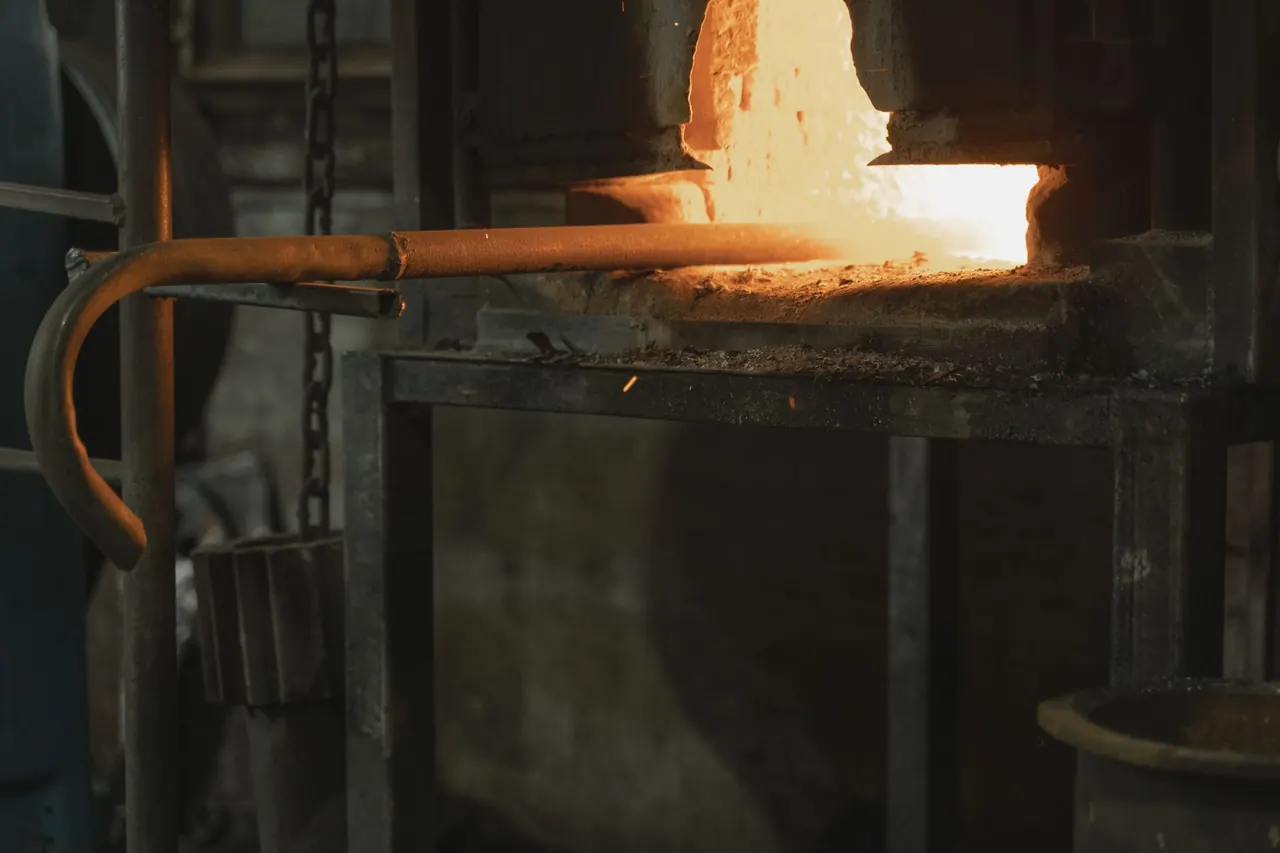
We test flame sensor microamps, limit switch continuity, gas valve pressure, blower capacitor capacitance, and thermostat wire continuity. That sequence takes 20 to 40 minutes and tells us exactly which safety is tripping.
We replace the failed flame sensor, thermocouple, igniter, limit switch, gas valve, capacitor, or control board. Parts are stocked for Lennox, Carrier, Trane, Goodman, Rheem, Bryant, York, and Amana, so most repairs finish in one visit.
We measure static pressure and temperature rise at the return and supply, then adjust blower speed if the furnace is running hot. This step prevents the limit switch from tripping again next month.
Every gas appliance repair ends with a gas leak detector pass on the fittings we touched, plus a combustion analyzer reading to confirm the flame is burning clean. We don't leave until three full heating cycles run without a dropout.
You get a written summary of what failed, what we replaced, and the temperature rise reading. We also set a filter change interval based on your home's dust and pet load so you're not guessing.
The approach is the same for a home and a business. What changes is the access, the schedule and who needs the paperwork.
We fix furnaces that cycle on and off in houses across Pocatello. You get a same-day diagnosis and a flat repair price before we start.
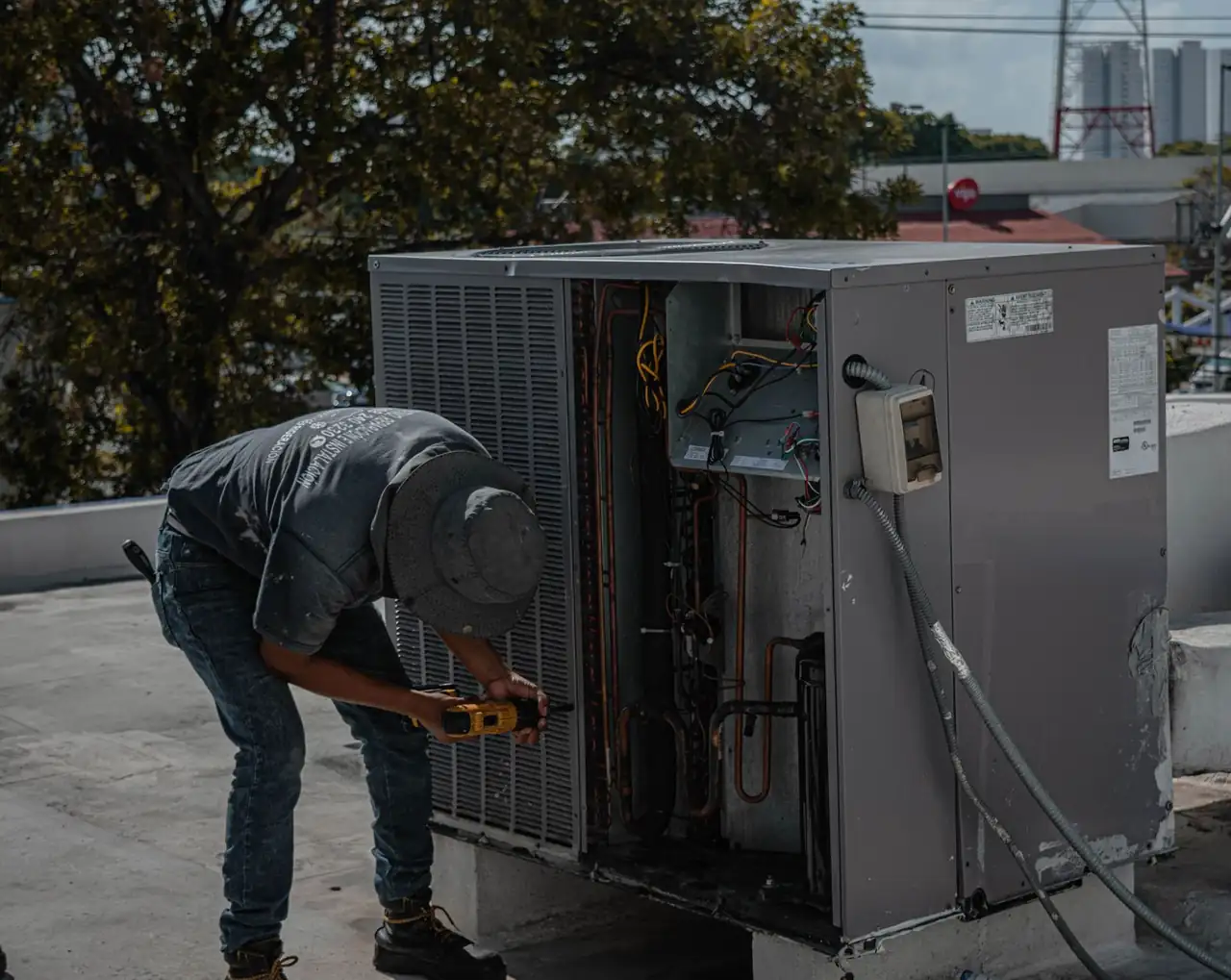
We repair rooftop and unit heaters that short cycle in shops and small commercial buildings. Off-hours scheduling keeps your business warm without disruption.
A plain-language look at what Furnace Short Cycling Repair involves and when it is needed.
See how it worksFurnace short cycling repair Pocatello ID is the diagnostic and repair work that stops a furnace from repeatedly starting and stopping before it finishes a heating cycle. A normal furnace runs 10 to 15 minutes, reaches the thermostat setpoint, then shuts down. Short cycling means it fires for 2 to 5 minutes, cuts out, and restarts within a minute or two. We test the flame sensor, limit switch, gas valve, and control board to find which safety is tripping.
Most Pocatello homes we see with this problem were built between the 1950s and 1990s, and many still run original ductwork sized for older equipment. A dirty air filter, a failing blower motor capacitor, or a thermostat wire short can all trigger the same symptom. If you're searching for furnace short cycling repair near me Pocatello ID, we stock the common parts on the truck so most calls are finished in one visit.
Short cycling is a symptom, not a diagnosis. We test the safety that's tripping and fix the cause.
We don't guess. Every job follows the same five steps, from the first phone call to the final temperature check at the register.
You describe the symptom: how long it runs, how often it restarts, and whether the thermostat display flickers. We ask about filter age and recent power outages. This 5-minute call lets us load the right parts and often tells us whether it's a sensor, airflow, or control board issue before we arrive.
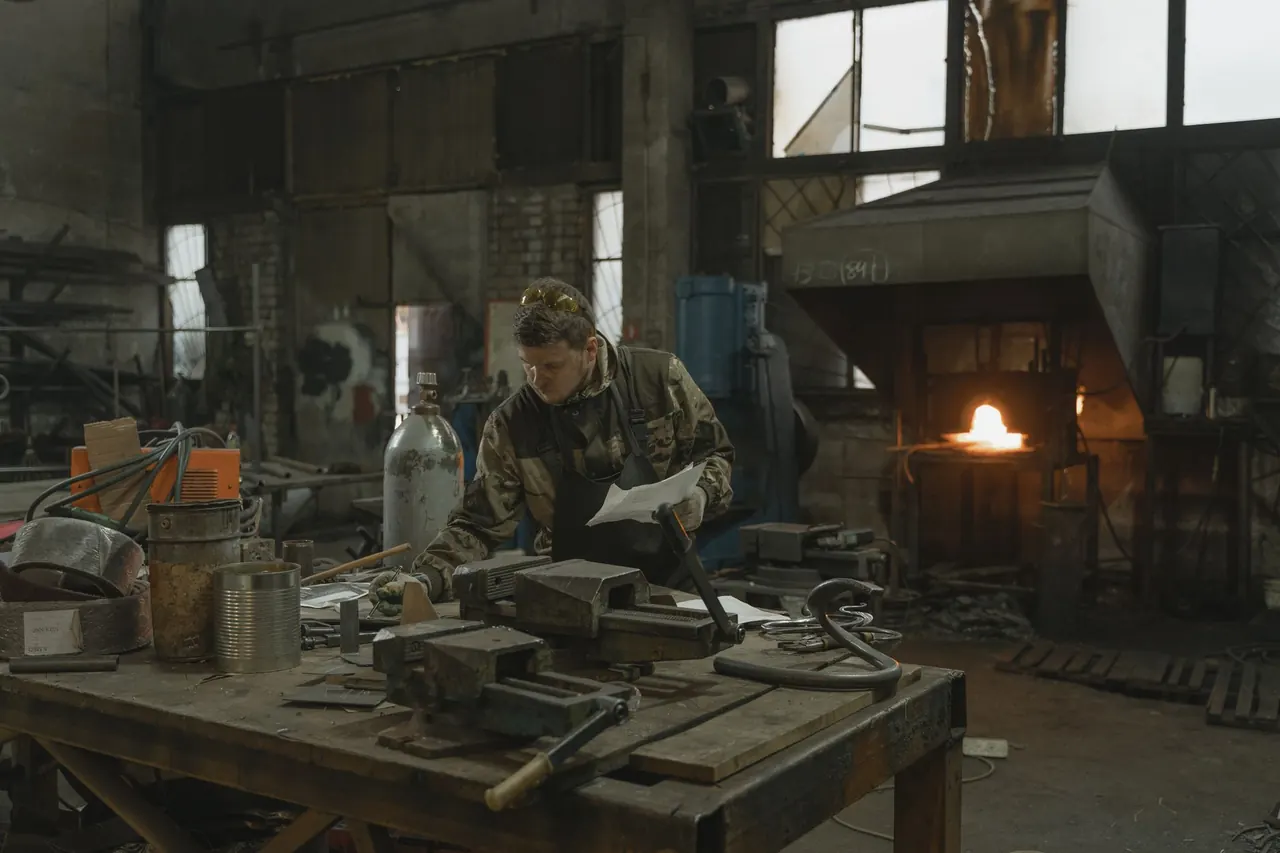
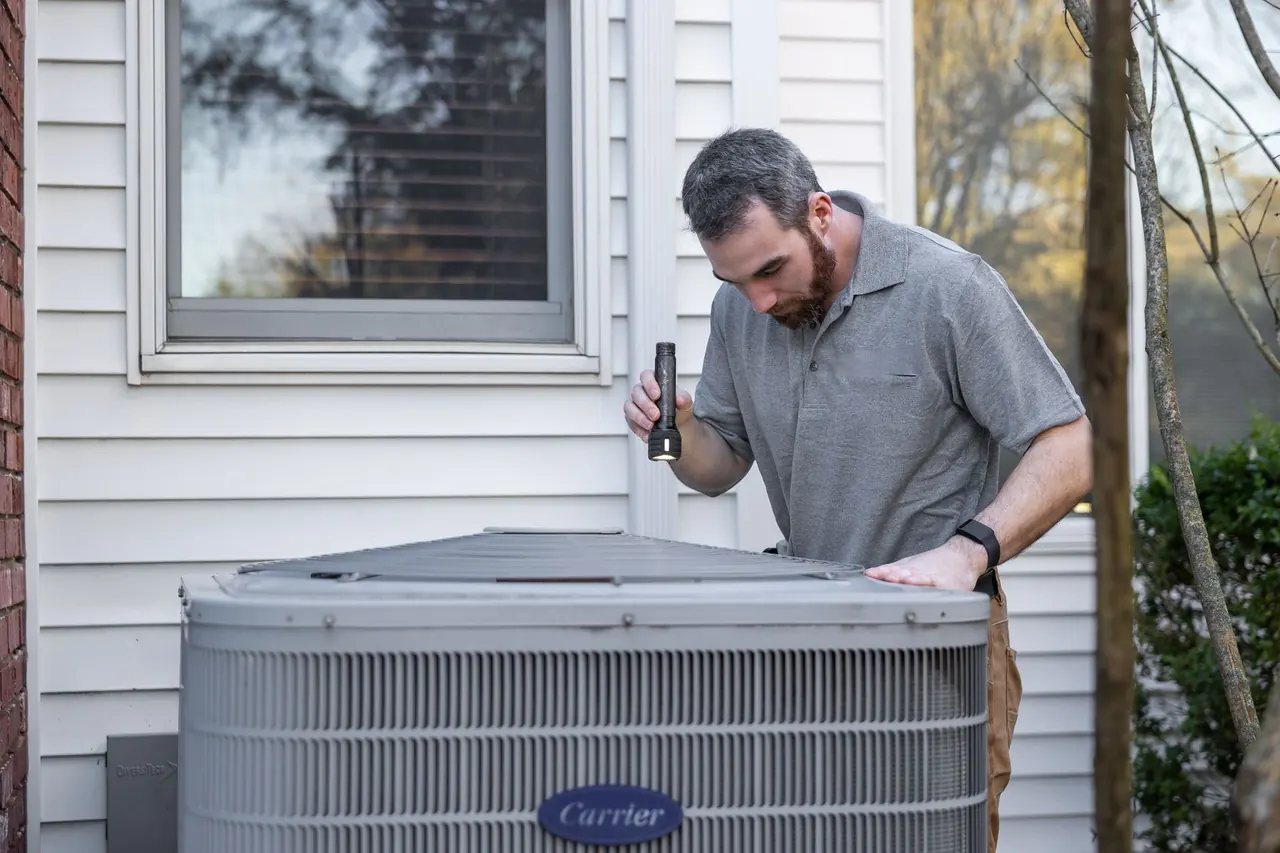
We pull the blower door, check the filter, and connect a multimeter and manometer to read static pressure and voltage. A combustion analyzer confirms whether the flame sensor signal is dropping out. This step takes 20 to 40 minutes and pinpoints the exact safety that's tripping.
Once we know the cause, we replace the failed component: flame sensor, limit switch, gas valve, inducer motor, or capacitor. We torque gas fittings, check for leaks with a gas leak detector, and verify the new part holds through three full heating cycles before we button up the panel.
Short cycling often returns if airflow is restricted. We measure temperature rise at the return and supply, adjust the blower speed if needed, and confirm your Honeywell, Nest, or Ecobee thermostat is set to the right cycle rate. This is where most one-visit fixes get locked in.
We show you the failed part, explain what caused it, and set a filter change schedule based on your home's dust and pet load. You get a written summary of what was replaced and the temperature rise reading so you can compare next season. Most jobs wrap in 2 to 4 hours.
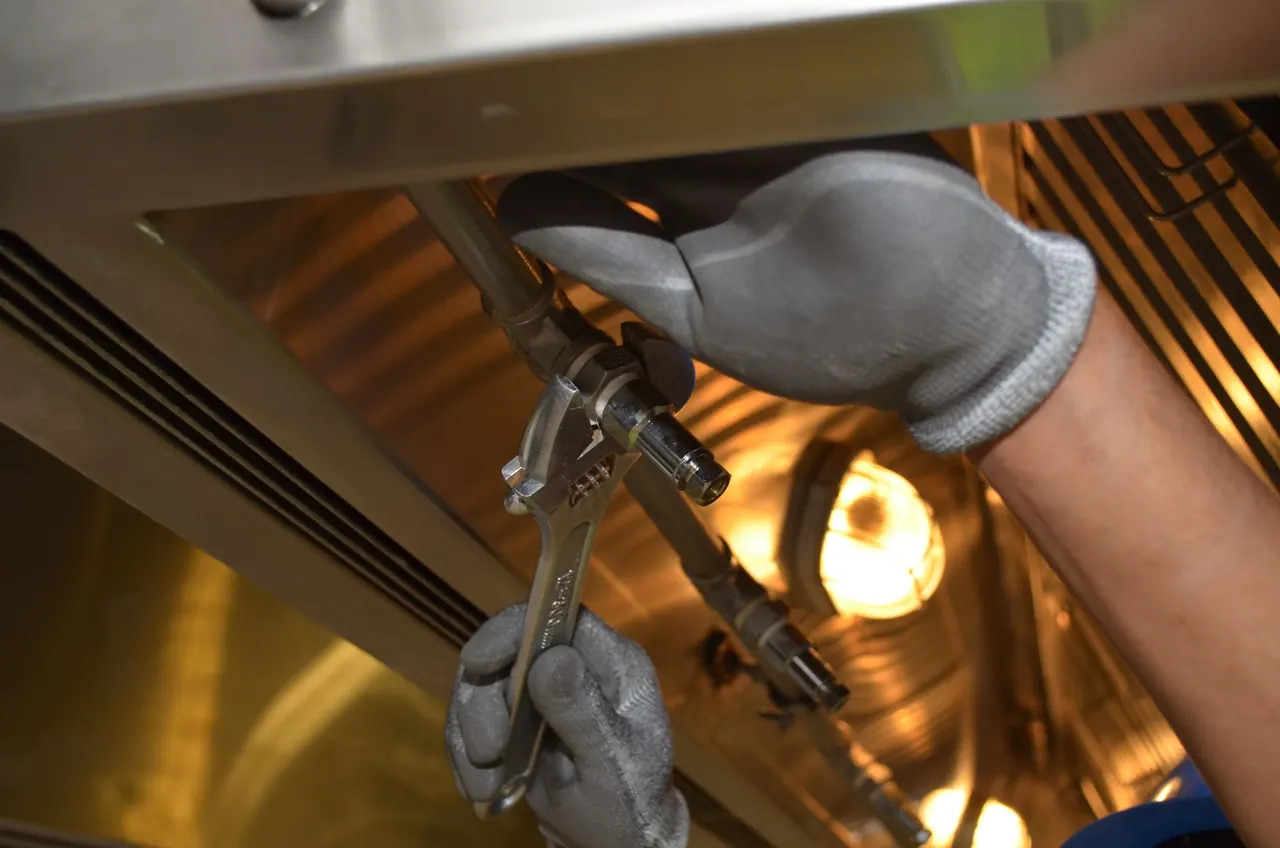
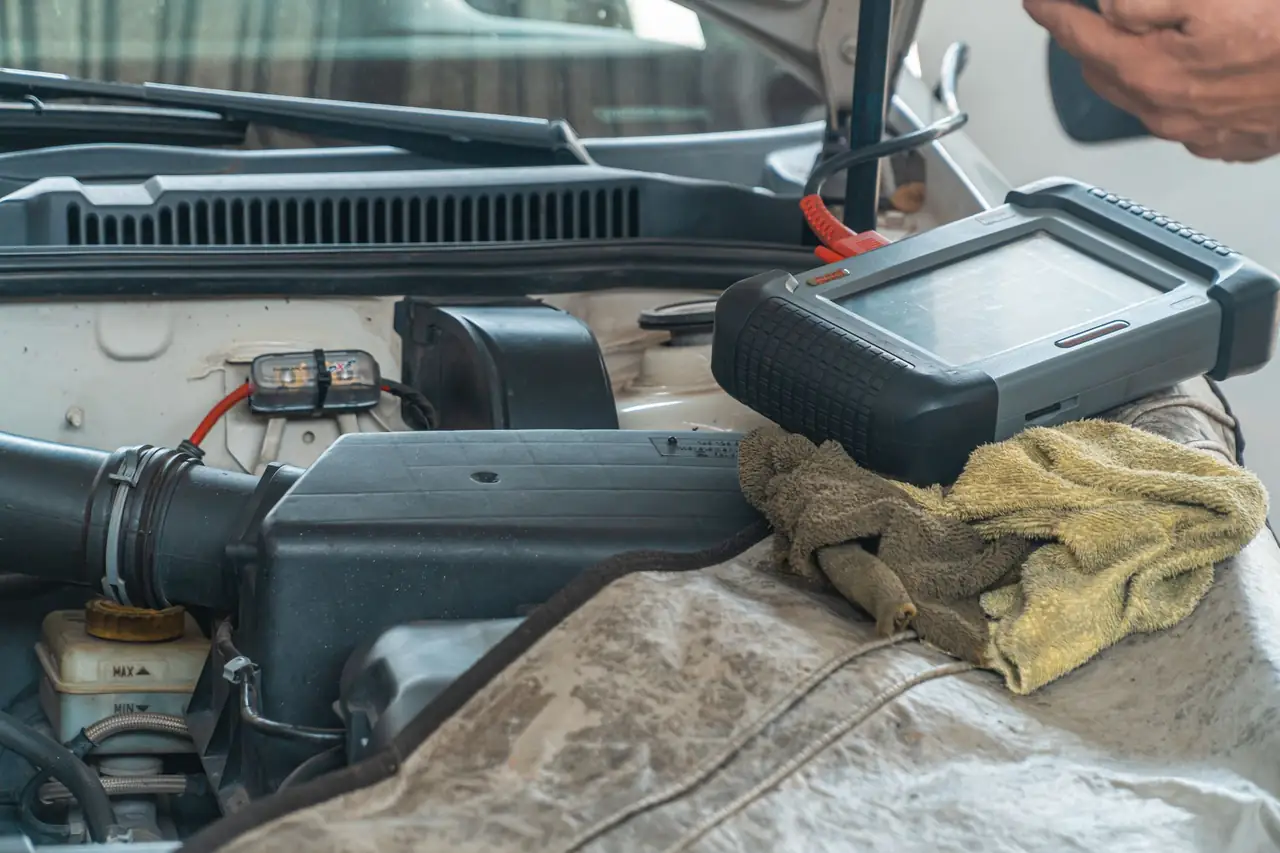
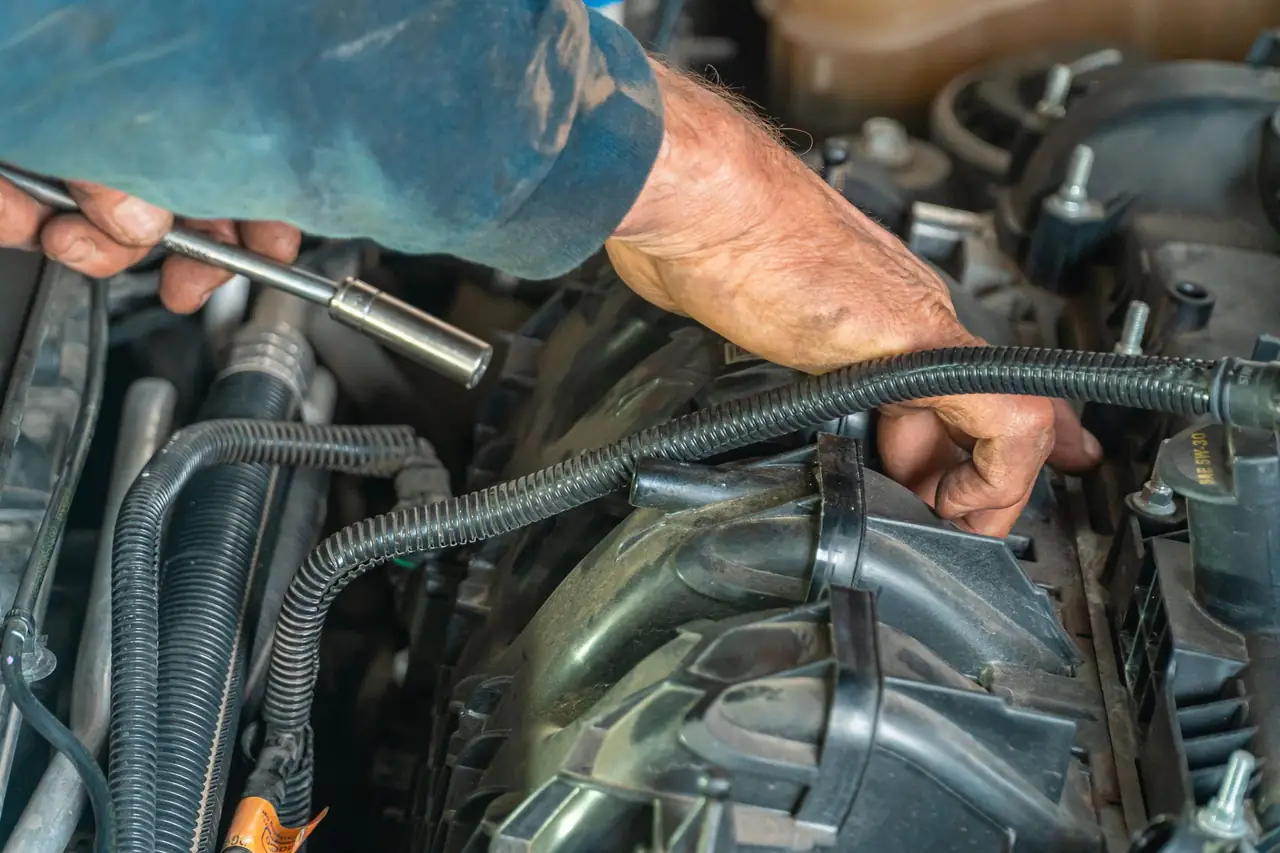
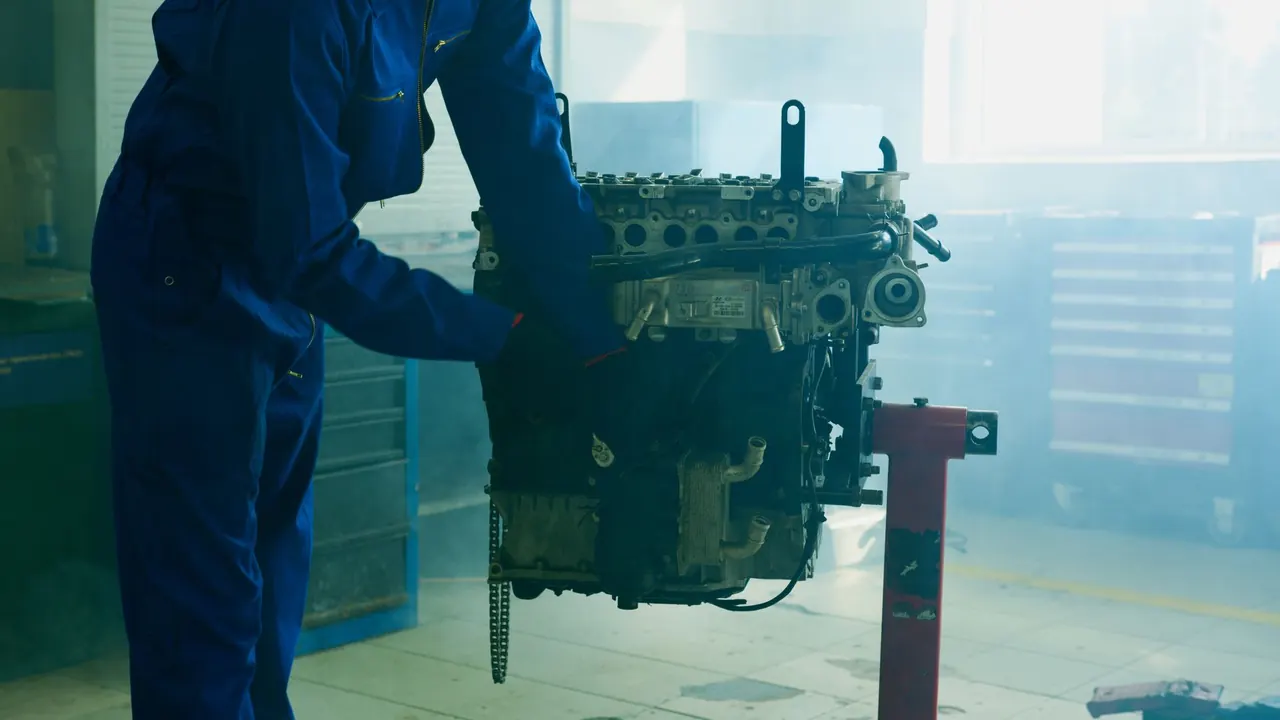
Move across a circle, or focus it and press Enter, for an illustrative thermal view of the photograph.
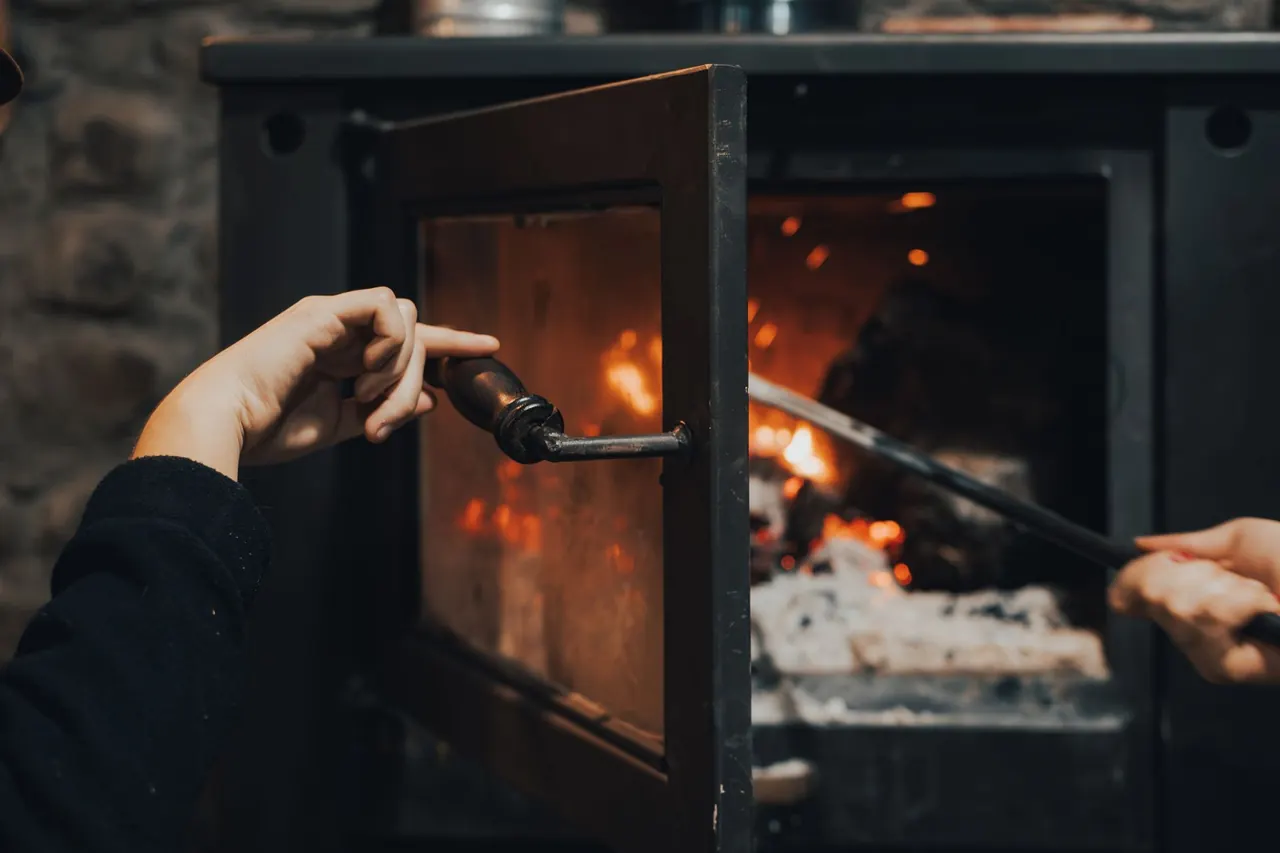
Reads inlet and manifold gas pressure on the gas valve to confirm the burner is getting the right supply during a cycle.
Tests flame sensor microamps, limit switch continuity, capacitor capacitance, and control board voltage outputs.
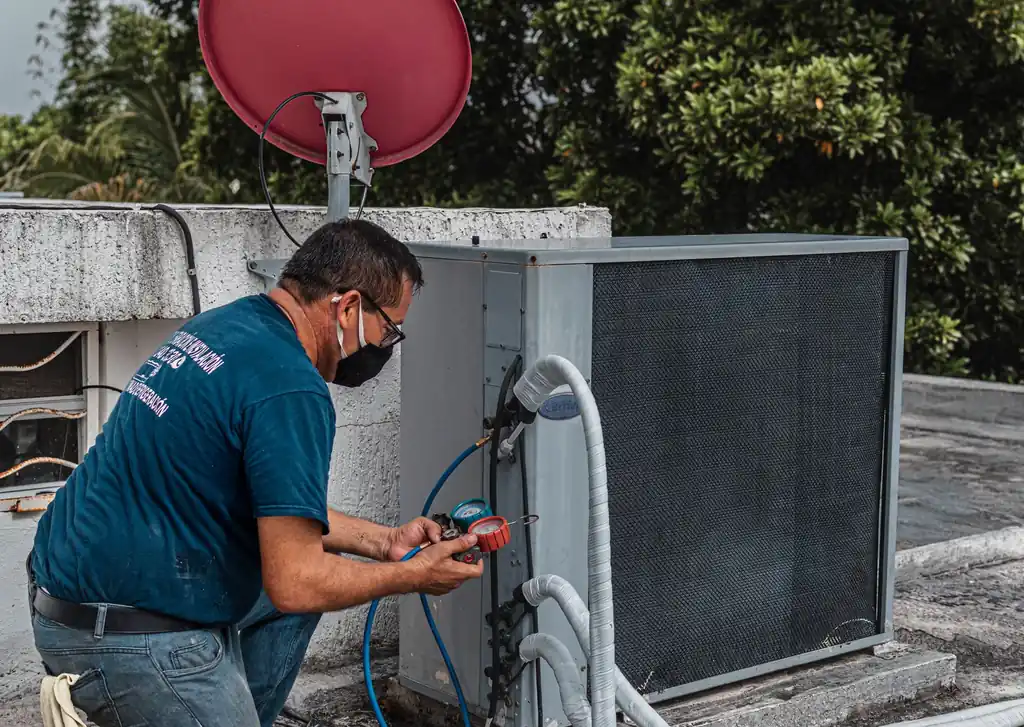
Confirms the flame is burning clean and helps identify a dropping flame sensor signal during a short cycle.
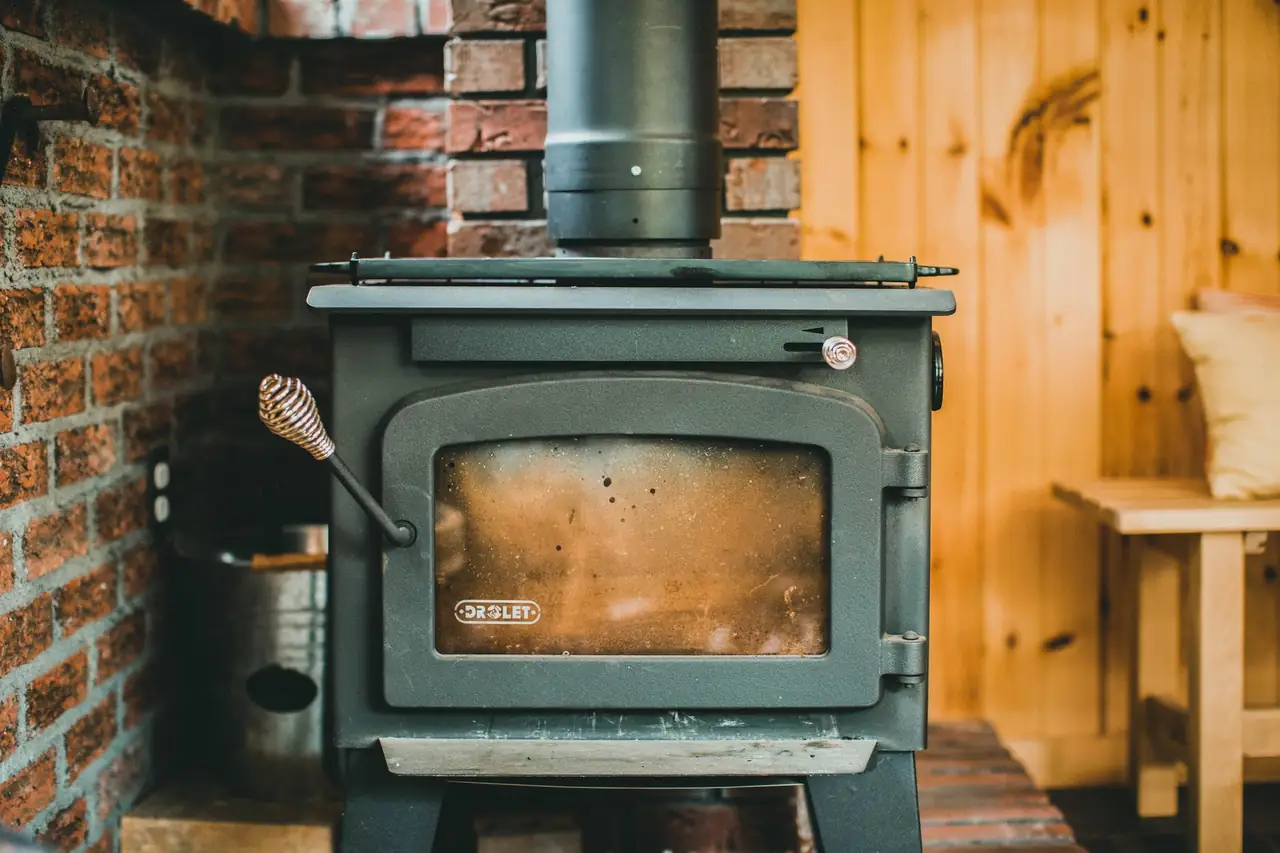
Measures static pressure and temperature rise to find airflow restrictions that trip the limit switch.
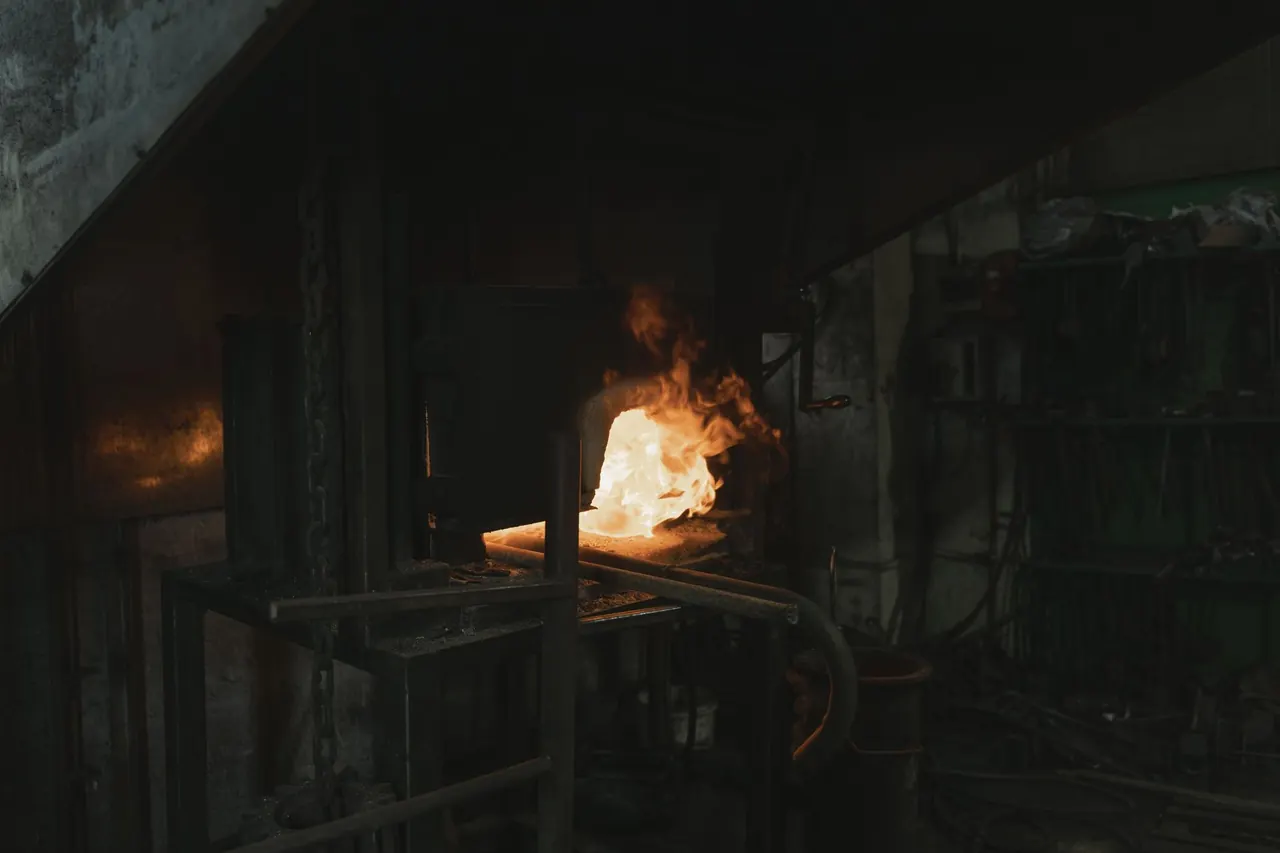
Checks every gas fitting we touch before we leave, so the repair is safe as well as functional.
Thermal views are illustrative, generated from the photographs.
Reads blower motor amp draw to confirm the motor isn't failing and pulling high current during startup.
We follow a set order: flame sensor, limit switch, gas valve, blower capacitor, thermostat wire, control board. That order catches the most common causes first and keeps the diagnosis under 40 minutes.
We measure static pressure and temperature rise against ACCA standards, then adjust blower speed or recommend duct work if the system is running outside spec.
After any repair, we run the furnace through three full heating cycles and watch the flame sensor reading, limit switch, and temperature rise. If anything drifts, we keep testing before we leave.
Every gas appliance call follows OSHA safety practices for combustion testing and leak checks, including a combustion analyzer pass before we button up the panel.
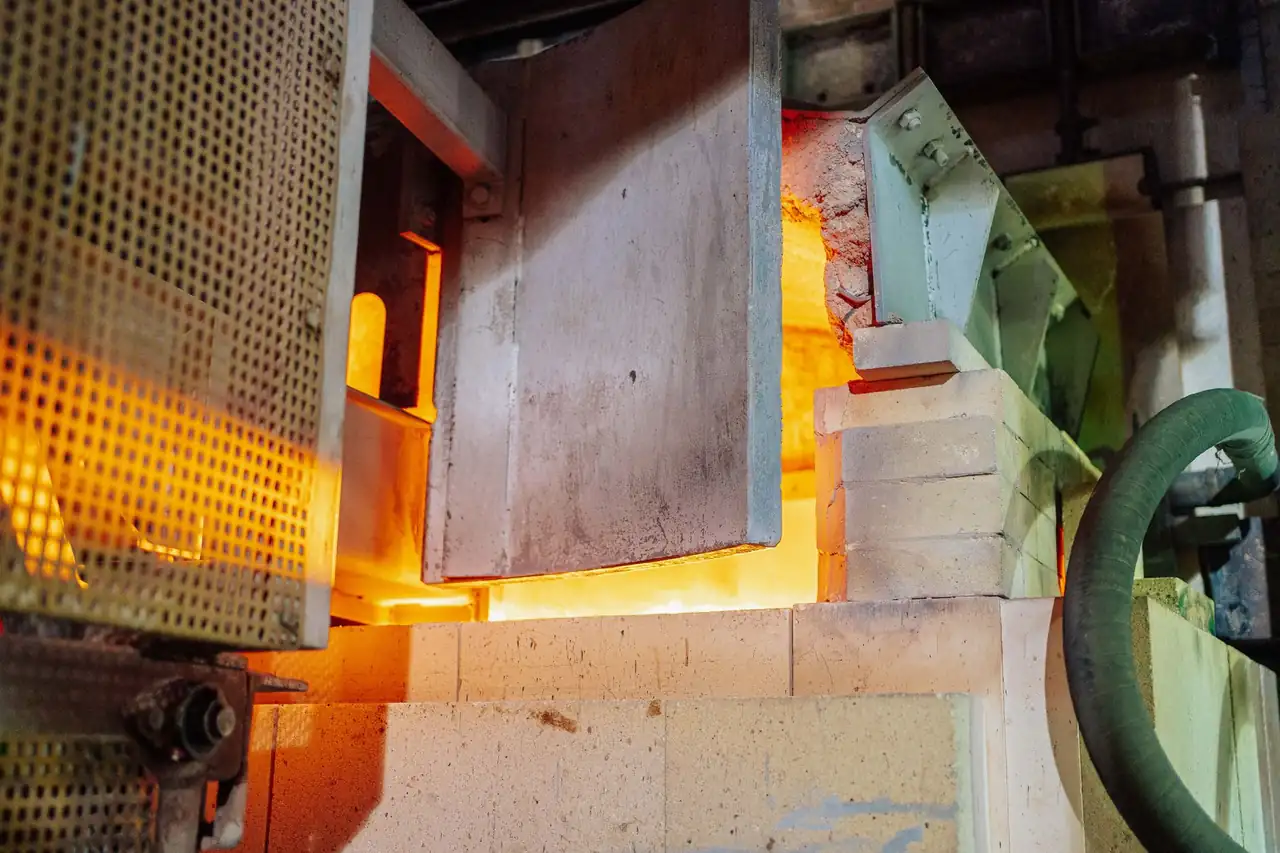
A 1970s ranch home in South Pocatello with original ductwork and a furnace that cycles every 4 minutes
We measure static pressure and find the return is undersized for the current blower. We adjust blower speed, replace the dirty flame sensor, and set a filter change schedule.
Outcome: The furnace runs full 12-minute cycles, the limit switch stops tripping, and the bedrooms warm up within a day.
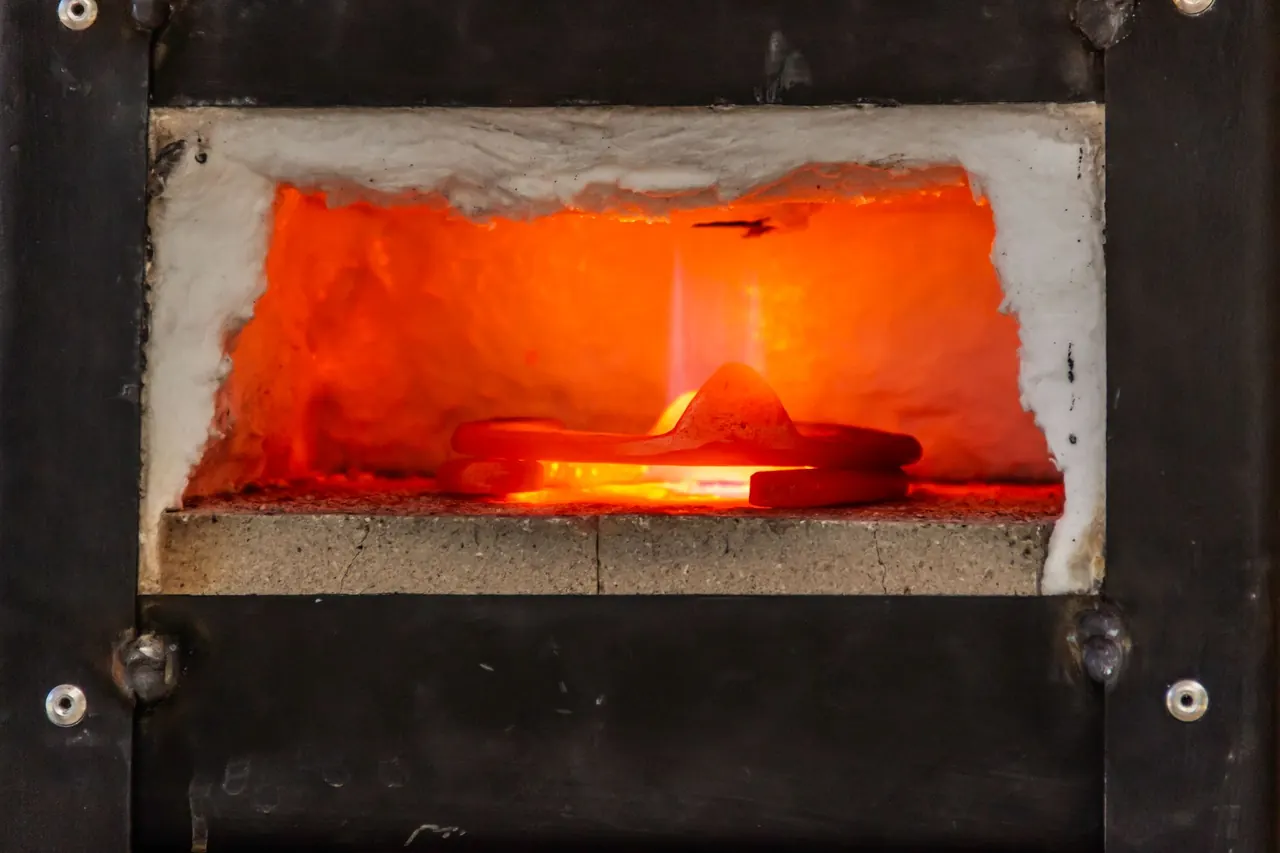
A rental near the University Area where the furnace short cycles and the tenant reports cold mornings
We test the thermostat wire and find a loose connection at the stat. We tighten the wire, clean the flame sensor, and verify temperature rise at the registers.
Outcome: The tenant stops calling about cold mornings, and the landlord gets a written summary for the file.
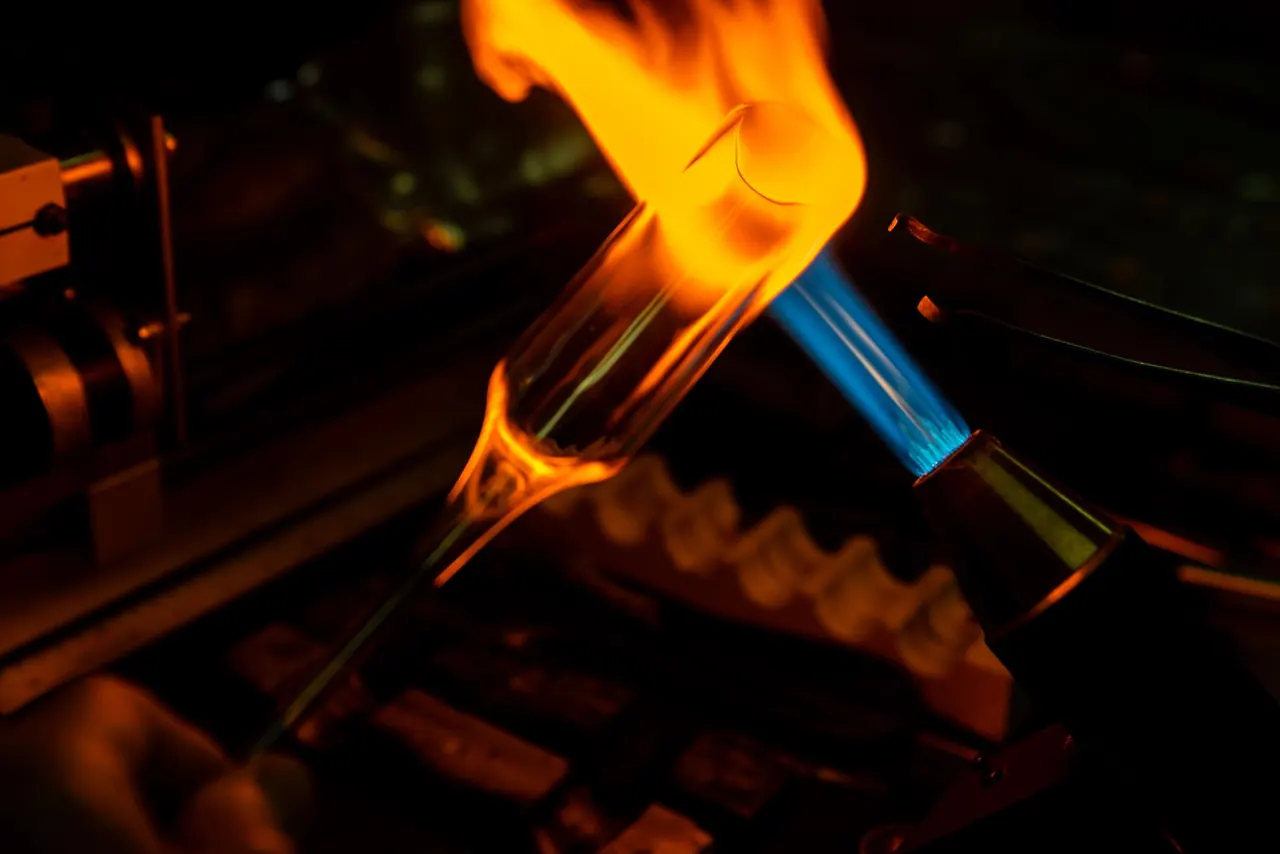
A Highland Area home with a Carrier furnace that short cycles only on the coldest nights
We find the limit switch tripping from a partially clogged secondary heat exchanger. We clean the exchanger, test the switch, and confirm the pressure drop is within spec.
Outcome: The furnace holds through a full cycle at 5 degrees outside, and the homeowner avoids a premature replacement.
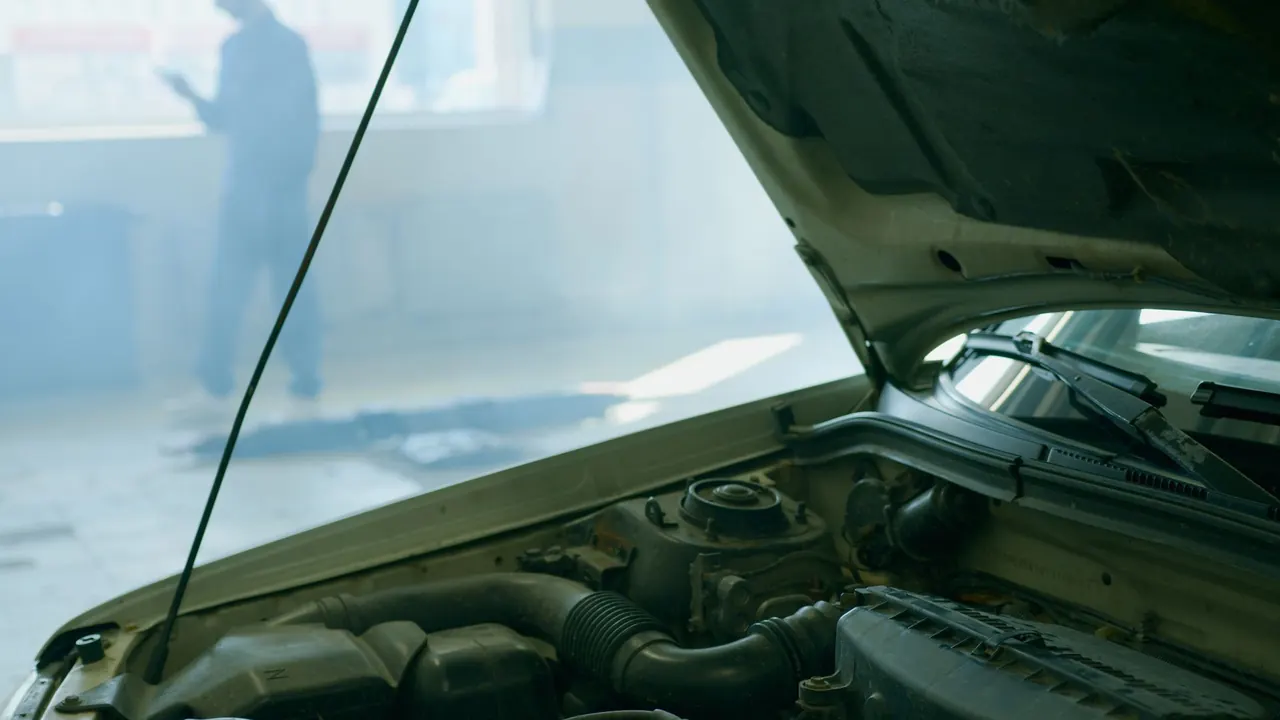
A small commercial shop in Chubbuck with a rooftop unit that short cycles during business hours
We diagnose during off-hours, find a failing blower capacitor, replace it, and check gas pressure at the manifold.
Outcome: The unit runs full cycles the next morning, and the shop stays warm without the cycling noise.
Pocatello winters drop into the single digits and teens from December through February, and that cold load exposes weak flame sensors and undersized returns fast. Most of the housing stock we work on was built between 1950 and 1990, and a lot of it still has original ductwork sized for older, lower-efficiency furnaces.
When you upgrade to a modern blower, the return can't keep up, the limit switch trips, and the furnace short cycles. We see this constantly in Highland Area, Alameda, and the older blocks near Old Town. If you're searching for furnace short cycling in Pocatello ID, the fix usually involves both a part replacement and an airflow adjustment.
We also run into propane furnaces in the rural pockets around Mink Creek and Tyhee, where tank pressure drops in cold weather and causes the burner to drop out. That means combustion testing and leak checks aren't optional, they're part of the job.
Before: A 1985 ranch home in Highland Area had a furnace that fired for 3 minutes, cut out, and restarted within 60 seconds. The homeowner's gas bill had climbed 18 percent over the previous winter, and the bedrooms stayed 5 degrees colder than the hallway.
After: We replaced a carbon-fouled flame sensor, adjusted blower speed to match the undersized return, and verified a 45-degree temperature rise. The furnace now runs full 12-minute cycles, and the bedrooms warm within 2 degrees of the thermostat.
Change the filter every 60 days during heating season and have the flame sensor cleaned each fall. We set a reminder based on the home's dust load.
Before: A landlord near the University Area was getting weekly tenant calls about cold mornings. The furnace short cycled 8 to 10 times an hour, and the thermostat display flickered when the burner kicked on.
After: We found a loose thermostat wire and a dirty flame sensor. After tightening the wire, replacing the sensor, and verifying three full cycles, the cycling stopped. The tenant stopped calling, and the landlord got a written summary for the file.
Check thermostat wire connections at the stat and furnace each fall. We recommend a flame sensor cleaning every 12 months on rental units.
Before: A Chubbuck home with a Carrier furnace short cycled only on the coldest nights. The limit switch tripped after 4 minutes, and the burner restarted a minute later. The homeowner had already replaced the thermostat with no change.
After: We found a partially clogged secondary heat exchanger and a weak blower capacitor. After cleaning the exchanger, replacing the capacitor, and checking pressure drop, the furnace held a full cycle at 5 degrees outside.
Schedule a heat exchanger inspection every other fall and replace the blower capacitor every 8 to 10 years as preventive maintenance.
Short cycling shows up in a few different ways. Here are the patterns we see most often and how we fix them.
A furnace that runs full cycles heats evenly and costs less to run.
Every unnecessary start cycle adds wear to the igniter, inducer motor, and control board. Fixing the root cause of furnace short cycling in Pocatello ID typically adds 3 to local experience life to a mid-range furnace, and it stops the repeated thermal stress that cracks heat exchangers over time.
A furnace that restarts 8 to 12 times an hour burns more gas than one that runs a full cycle. After furnace cycling repair Pocatello Idaho, most customers see a 10 to 20 percent drop in winter heating costs because the system reaches setpoint instead of fighting itself.
Once we correct the airflow or sensor fault behind furnace short cycling in Highland Area Pocatello, the rooms that used to stay 4 to 6 degrees cooler start catching up within a day.
We carry flame sensors, thermocouples, igniters, limit switches, and blower motor capacitors for Lennox, Carrier, Trane, Goodman, and Rheem units. That means affordable furnace short cycling repair in Pocatello ID usually happens the same day, not after a week-long parts order.
What a written scope covers and what shapes it. Prices are set by the business after the first look.
Included
Depends on
Clear records you can keep and share.
Parts replaced and readings taken
Temperature rise at return and supply
Change interval for your home
Images of the failed part
A furnace that runs 10 to 15 minutes per cycle is normal. Anything under 5 minutes is short cycling.
Furnace runs a full heating cycle
Furnace cuts out before setpoint
Furnace stops trying to start
A list like this tells people straight away whether you cover their street. Not listed? Call and ask: it only takes a minute.
Based in Pocatello and covering the places around it. Pick one for local details.
A flame sensor or thermocouple swap sits at the low end. A gas valve, inducer motor, or control board pushes toward the top. The diagnostic fee is credited toward the repair if you approve the work, so you're not paying twice.
The four most common causes we find in Pocatello are a dirty flame sensor, a tripping limit switch from restricted airflow, a failing blower motor capacitor, and a thermostat wire short. Older homes near Old Town and the University Area often have undersized returns that trigger the limit switch. We test each one in sequence to isolate the real cause.
We cover Downtown, Highland Area, Chubbuck, Alameda, and the surrounding Bannock County neighborhoods. Call (208) 764-8111 and we'll schedule a same-day diagnosis if you reach us before noon.
Yes. A clogged filter restricts airflow, the heat exchanger overheats, and the limit switch trips the burner after 2 to 4 minutes. That's the most common cause we see in Pocatello homes with pets or long filter change intervals. Swap the filter, and if the cycling continues, the limit switch or blower capacitor needs testing.
Other services from the same team.
Short cycling gets worse, not better. Call (208) 764-8111 and we'll schedule a same-day diagnosis if you reach us before noon.
Call us at (208) 764-8111 or email info@pocatellofurnacerepairpros.com. We answer calls Monday through Friday, 8 a.m. to 6 p.m., and we offer emergency service for no-heat calls. If you need furnace repair in Pocatello, ID, reach out and we will get you scheduled.