For homeowners
Your Carrier furnace is the one system you cannot do without in a Pocatello winter. We diagnose the fault, explain it plainly, and get your heat back.
- No heat at all
- Blowing cold air
- Short cycling
When your Carrier furnace quits in Pocatello, Idaho, you need heat back before the next cold snap. Our techs handle Carrier Furnace Repair in Pocatello daily, from flame sensor cleaning to control board swaps. We stock common Carrier furnace parts Pocatello ID homes need, so most repairs finish in one visit. Call (208) 764-8111 and we will get your heat running.
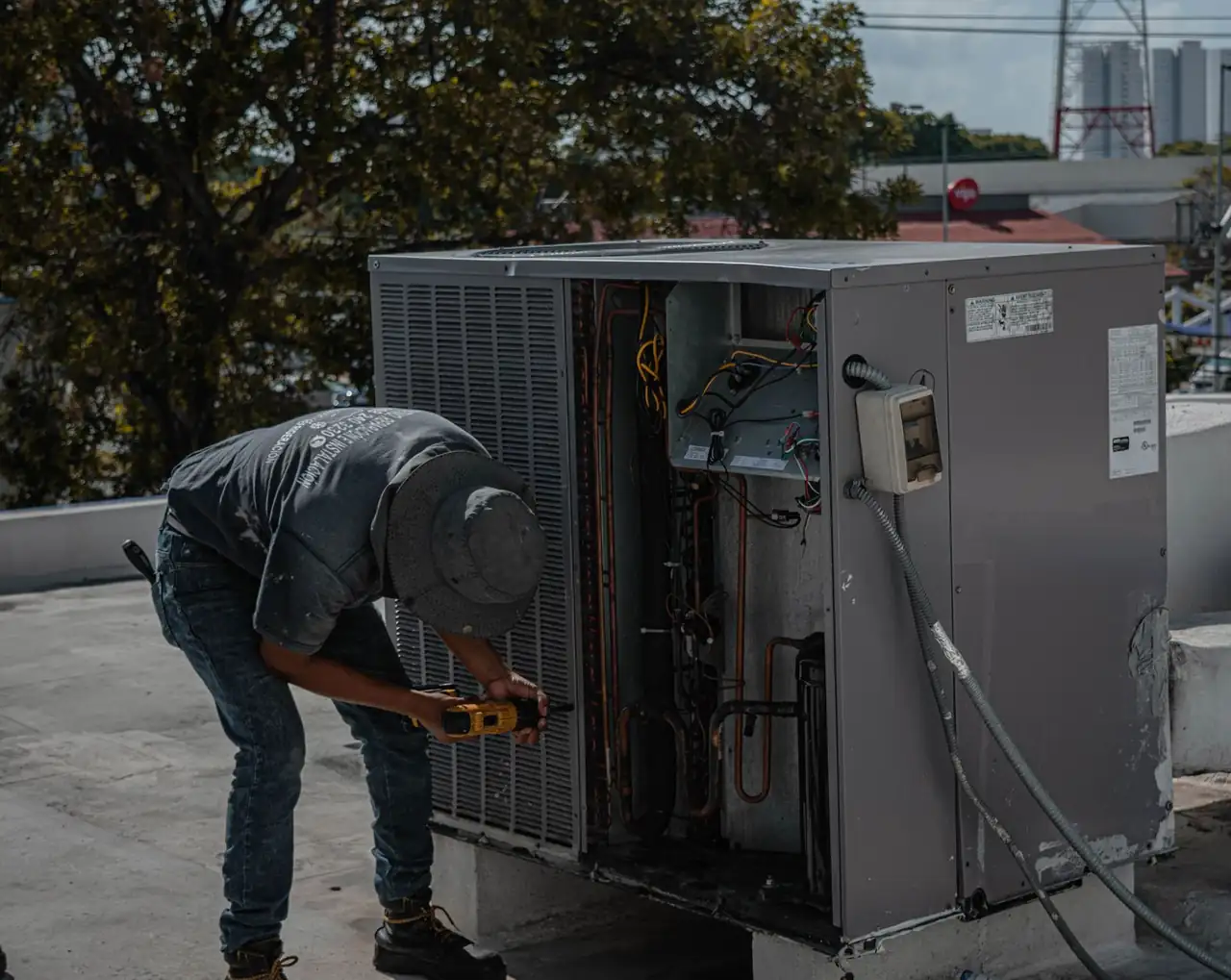 Read fault codesTest ignition chainCheck heat exchanger
Every Carrier repair visit covers diagnosis, the failed-part replacement, and a full safety and performance check. Here is what comes standard, and what we quote separately if your furnace needs it.
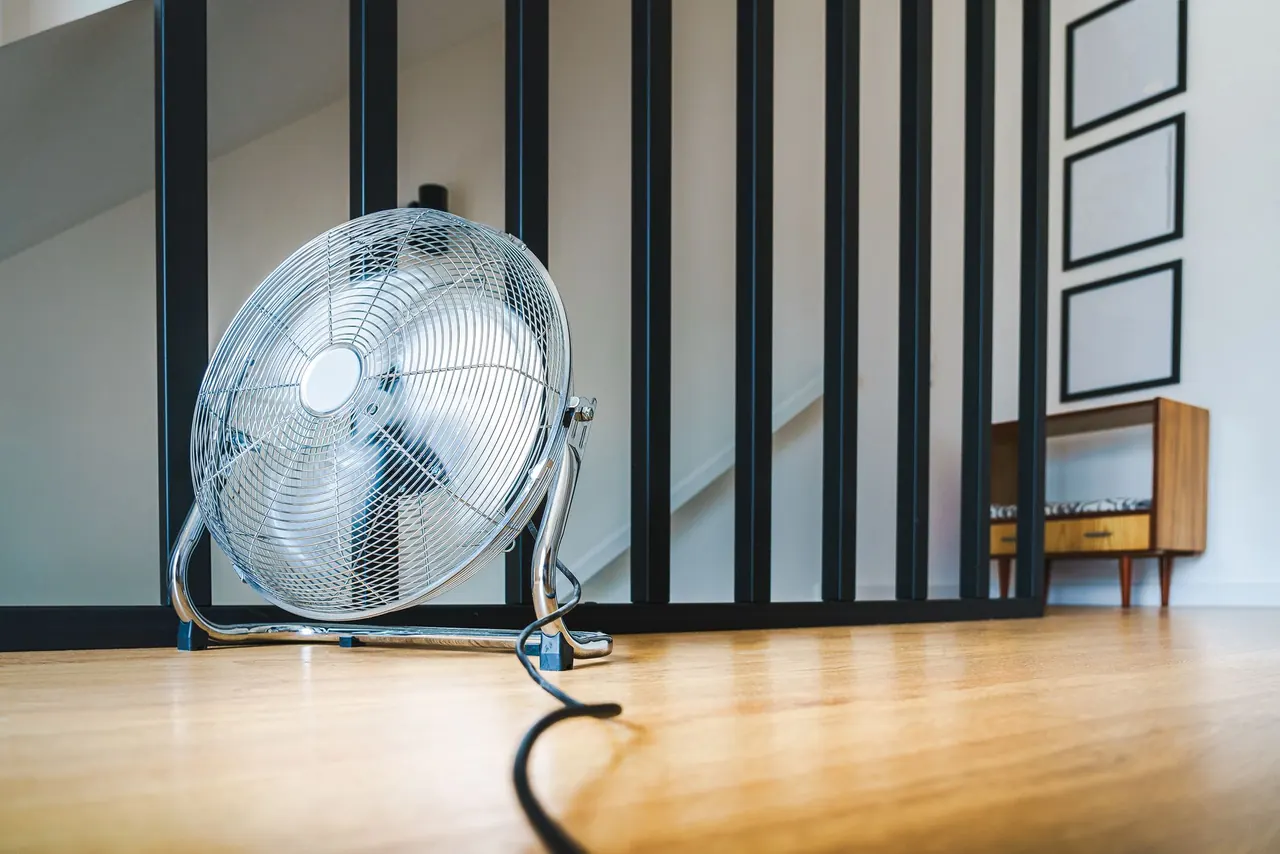
We test the igniter, flame sensor, gas valve, and control board with a multimeter and flame sensor tester. You get a clear answer on which component failed and why, not a guess based on symptoms alone.
We replace the failed component with a Carrier-compatible part, whether that is a thermocouple, igniter, blower motor capacitor, inducer motor, or control board. Labor and the part are covered in the flat price we quote.
A combustion analyzer and gas leak detector confirm your Carrier is burning clean and not leaking gas. We also inspect the heat exchanger for cracks, since Pocatello furnaces run long seasons and cracks are a real risk.
We measure temperature rise and static pressure, then check the blower motor and filter. Poor airflow causes limit switch trips and short cycling, so fixing it now prevents a repeat call next month.
We confirm your thermostat, including Honeywell, Nest, and Ecobee models, is calling for heat correctly and that thermostat wire connections are solid. A bad wire can mimic a furnace failure and waste your money.
You get a photo of the failed part and a short written summary of what we found, what we replaced, and what to watch for.
The approach is the same for a home and a business. What changes is the access, the schedule and who needs the paperwork.
Your Carrier furnace is the one system you cannot do without in a Pocatello winter. We diagnose the fault, explain it plainly, and get your heat back.
A failed Carrier unit costs you tenants, customers, and staff comfort. We diagnose and repair commercial heating with scheduling that works around your hours.
A plain-language look at what Carrier Furnace Repair involves and when it is needed.
See how it worksCarrier Furnace Repair in Pocatello is the diagnostic and mechanical work that restores a Carrier-brand gas, electric, or propane furnace to safe, reliable heating. That covers the full ignition chain: the igniter, flame sensor, gas valve, and control board, plus the blower motor, limit switch, inducer motor, and heat exchanger. We test each part with a multimeter and combustion analyzer, then replace only what has actually failed. Most Carrier furnaces we see in Pocatello are 8 to 20 years old, and the failure pattern is predictable.
Pocatello winters drop into the single digits and teens, and furnaces here run hard from October through April. That long, cold season is why we see so many Carrier furnace not turning on Pocatello ID calls in January. A dirty flame sensor, a weak igniter, or a tripped limit switch will shut a Carrier down completely. We carry Carrier furnace parts Pocatello ID homeowners need on the truck, so we are not waiting days for a part to ship.
Carrier furnaces fail in predictable ways, and testing finds the real cause.
Five steps, from your first call to a warm house. No mystery, no waiting around all day for a callback.
You call (208) 764-8111 or book online. We ask for your Carrier model number, the symptoms, and how long the furnace has been down. That lets us load the right parts before we roll. You get a two-hour arrival window, and we call when we are on the way.
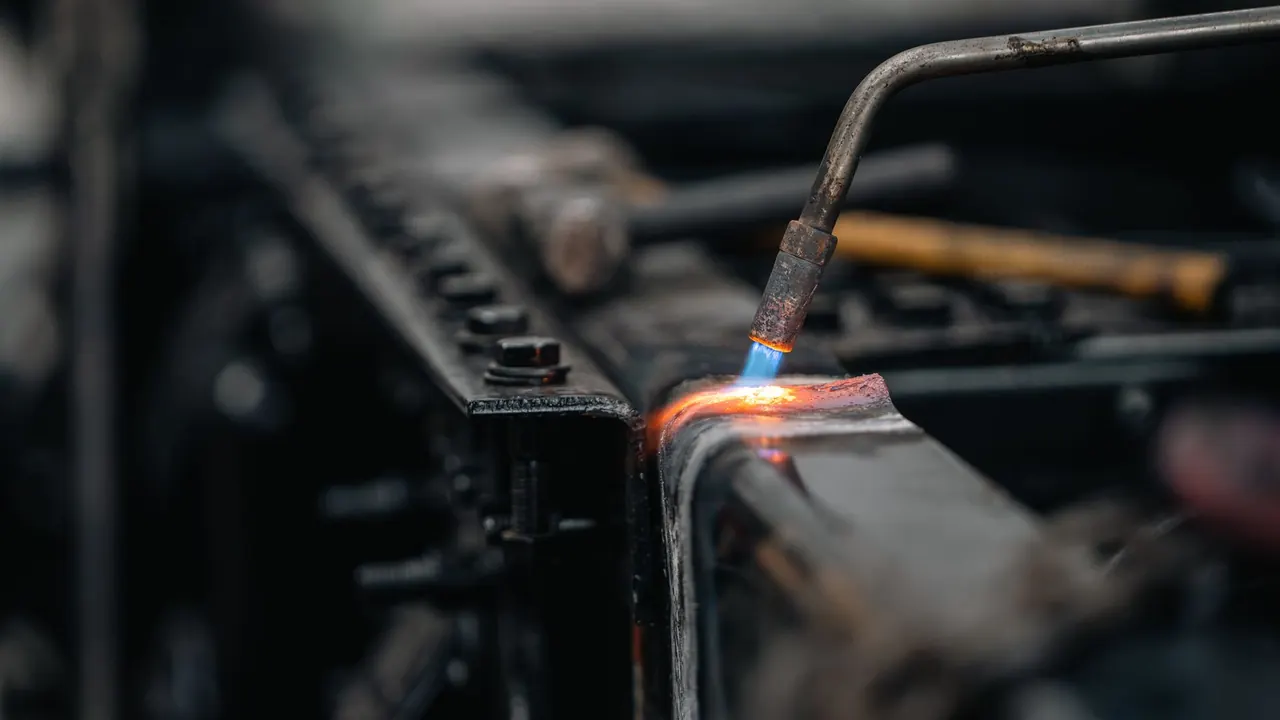
The tech pulls the burner door, reads the Carrier fault code, and tests the ignition chain with a multimeter and flame sensor tester. We check the inducer motor, limit switch, and blower capacitor too. This takes 30 to 45 minutes and ends with a clear answer on what failed.
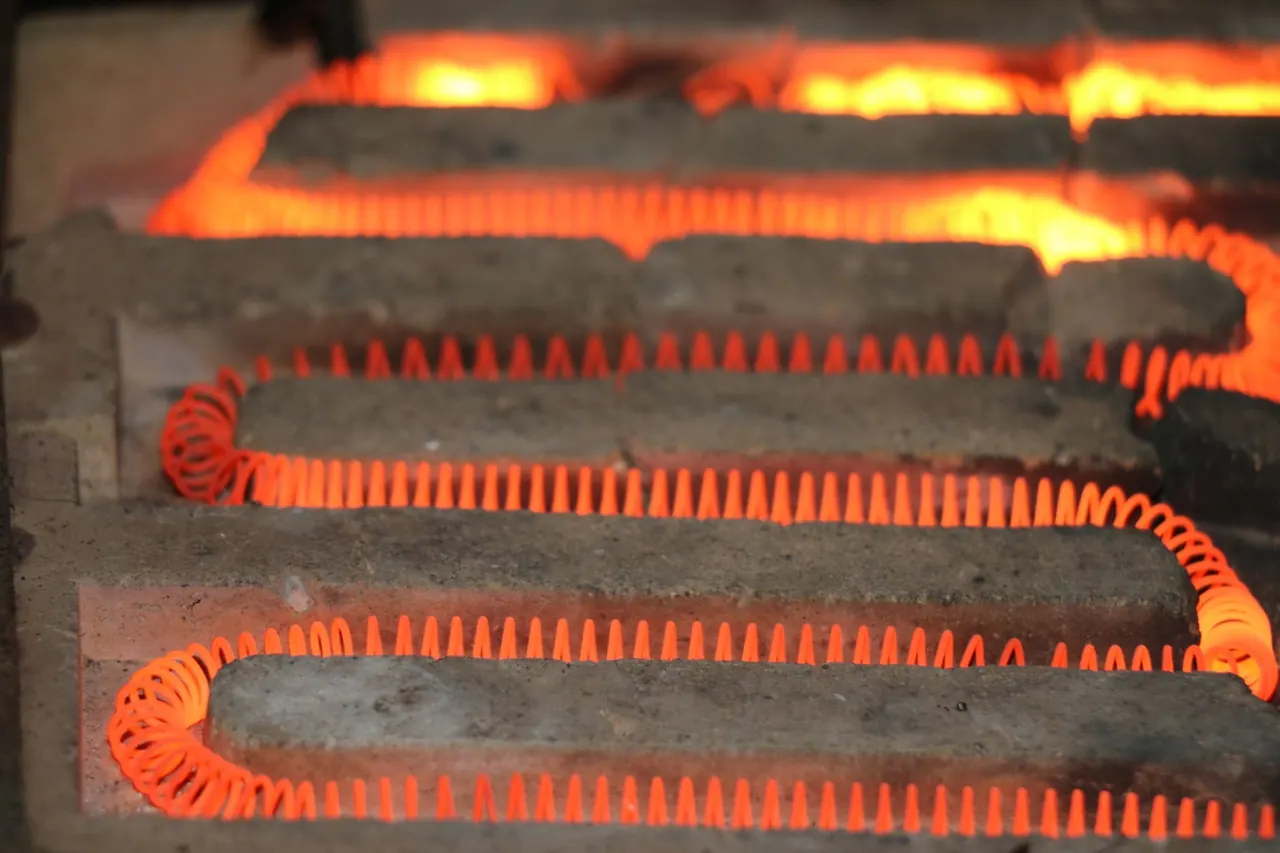
You get a flat price for the fix, parts and labor included, before any wrench turns. If the repair is not worth it on a 20-year-old unit, we say so and quote replacement instead. No pressure either way, and the diagnostic fee is credited if you approve the work.
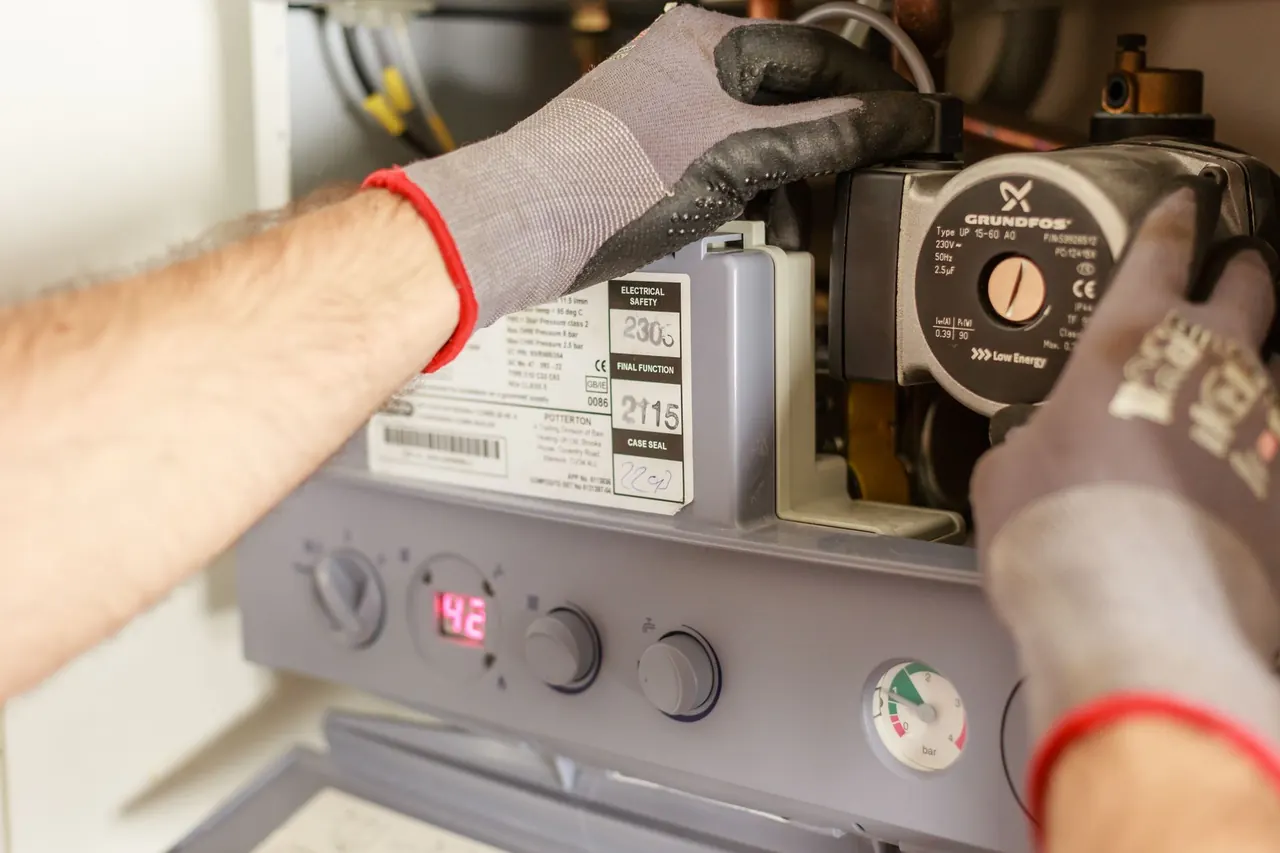
We replace the failed part, whether that is a thermocouple, igniter, gas valve, blower motor, or control board. Then we fire the furnace and watch a full heat cycle, checking temperature rise with an anemometer and combustion analyzer. Most repairs take one to two hours after diagnosis.
We run two more cycles, confirm the limit switch is not tripping, and set your thermostat back to your schedule. You get a photo of the failed part and a plain-English rundown of what to watch for. Before we leave, we change your air filter if it is clogged.
Move across a circle, or focus it and press Enter, for an illustrative thermal view of the photograph.
Measures inlet and manifold gas pressure on Carrier furnaces to confirm the gas valve is set to spec and delivering the right BTU input.
Reads carbon monoxide, oxygen, and flue temperature so we can verify your Carrier is burning clean and the heat exchanger is not leaking.
Tests voltage and amp draw at the igniter, gas valve, blower motor, and control board to pinpoint the failed component instead of guessing.
Confirms whether the flame sensor or thermocouple is sending a proper signal, which is the most common cause of Carrier lockouts we see.
Sniffs the gas valve, burners, and supply connections for leaks before we return the furnace to service.
Thermal views are illustrative, generated from the photographs.
Measures airflow and inducer draft so we can confirm the blower and inducer motor are moving the air volume your Carrier needs.
We read the Carrier control board fault code before touching anything. It narrows the problem to the ignition chain, pressure switch, or limit circuit and cuts diagnostic time, which saves you money on labor.
After the repair, we run at least three complete heating cycles and watch temperature rise. If the furnace locks out or short cycles on any of them, we keep working until it does not.
Every Carrier repair ends with a combustion analyzer reading and a heat exchanger inspection. It confirms safe operation and catches cracks that a visual check alone would miss.
We follow ACCA quality standards for airflow, temperature rise, and static pressure. That means your Carrier is set up to run efficiently, not just to light and blow warm air.
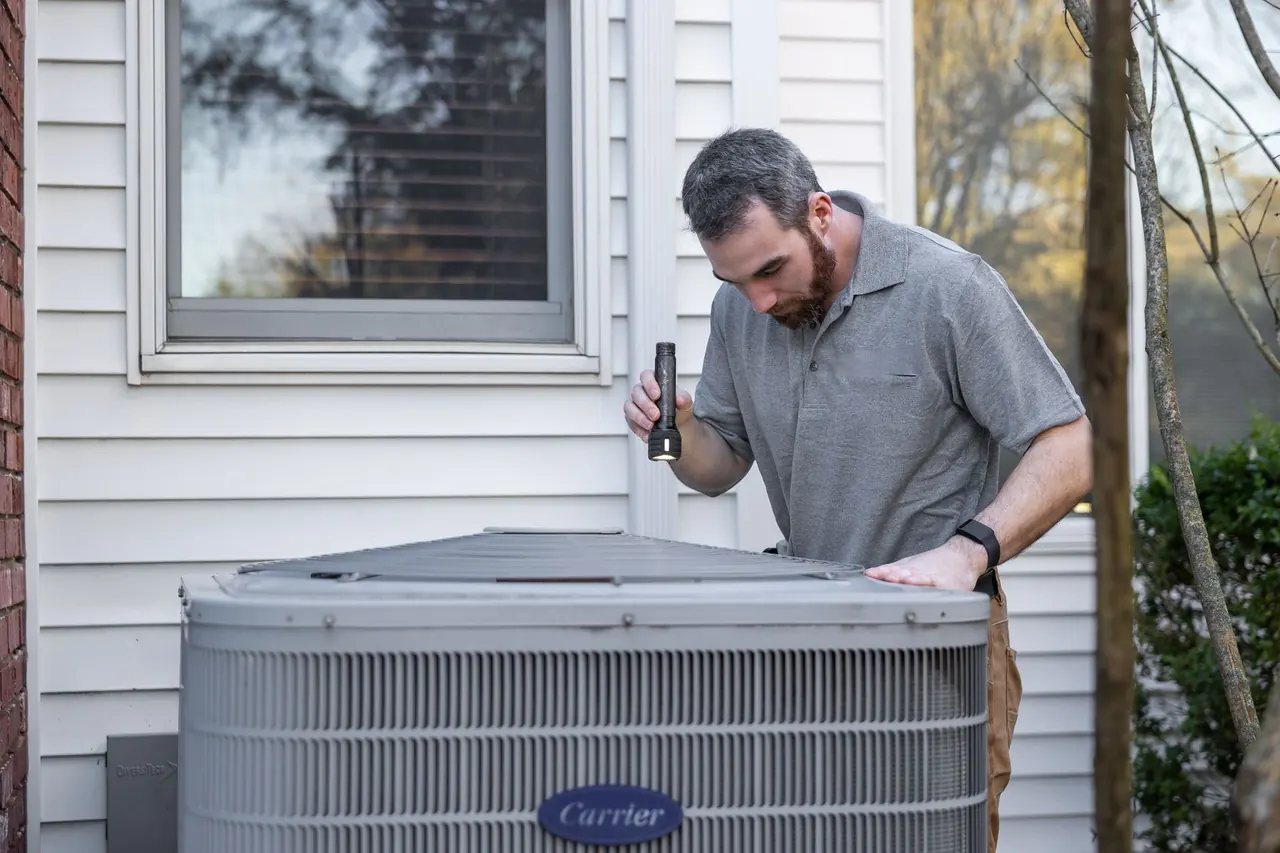
Carrier furnace dies on the first single-digit night of the season in North Pocatello.
We prioritize no-heat calls, load common Carrier ignition parts, and get to the house fast. The tech diagnoses the fault, quotes a flat price, and makes the repair in one visit whenever the part is on the truck.
Outcome: Heat restored the same day in most cases, with a photo of the failed part and a written summary for your records.
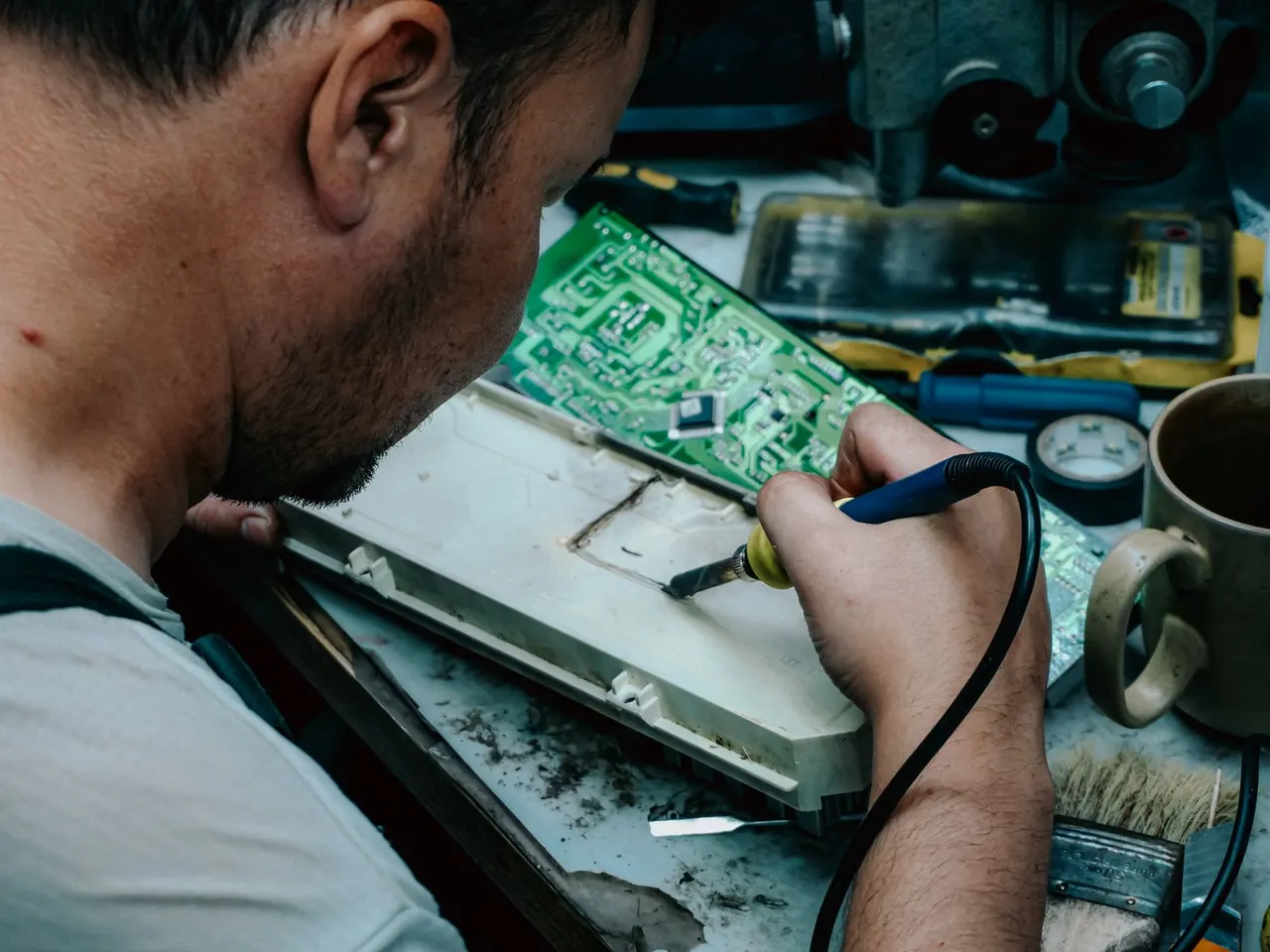
A landlord near University Area has tenants without heat and needs it fixed before the weekend.
We schedule around tenant availability, diagnose the Carrier fault, and handle the repair in one trip. You get the invoice and summary by email so you can pass it to the property owner.
An older Carrier furnace in Old Town Pocatello keeps tripping the limit switch.
We check the air filter, blower motor, and static pressure to find why it overheats. Often it is restricted airflow, not a failed switch, and we correct the actual cause.
Outcome: The furnace runs full cycles again instead of short cycling, and your gas usage drops back to normal.
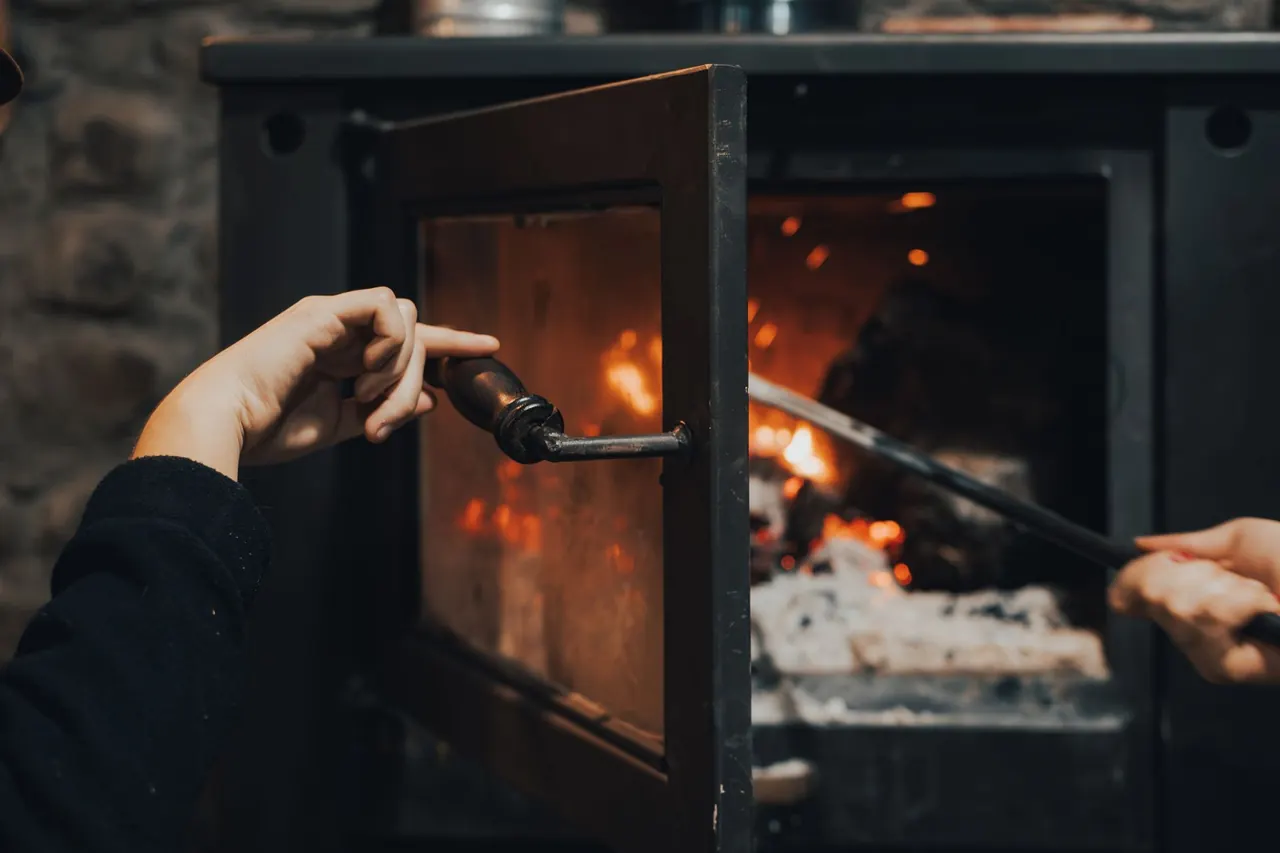
A homeowner in Chubbuck smells gas near the furnace and shuts it down.
We treat gas calls as priority, leak-test the valve and burner assembly with a gas leak detector, and repair or replace the failed component. We do not restart the furnace until it tests clean.
Outcome: A safe, leak-free furnace and a clear explanation of what failed, so you know it is not going to happen again next month.
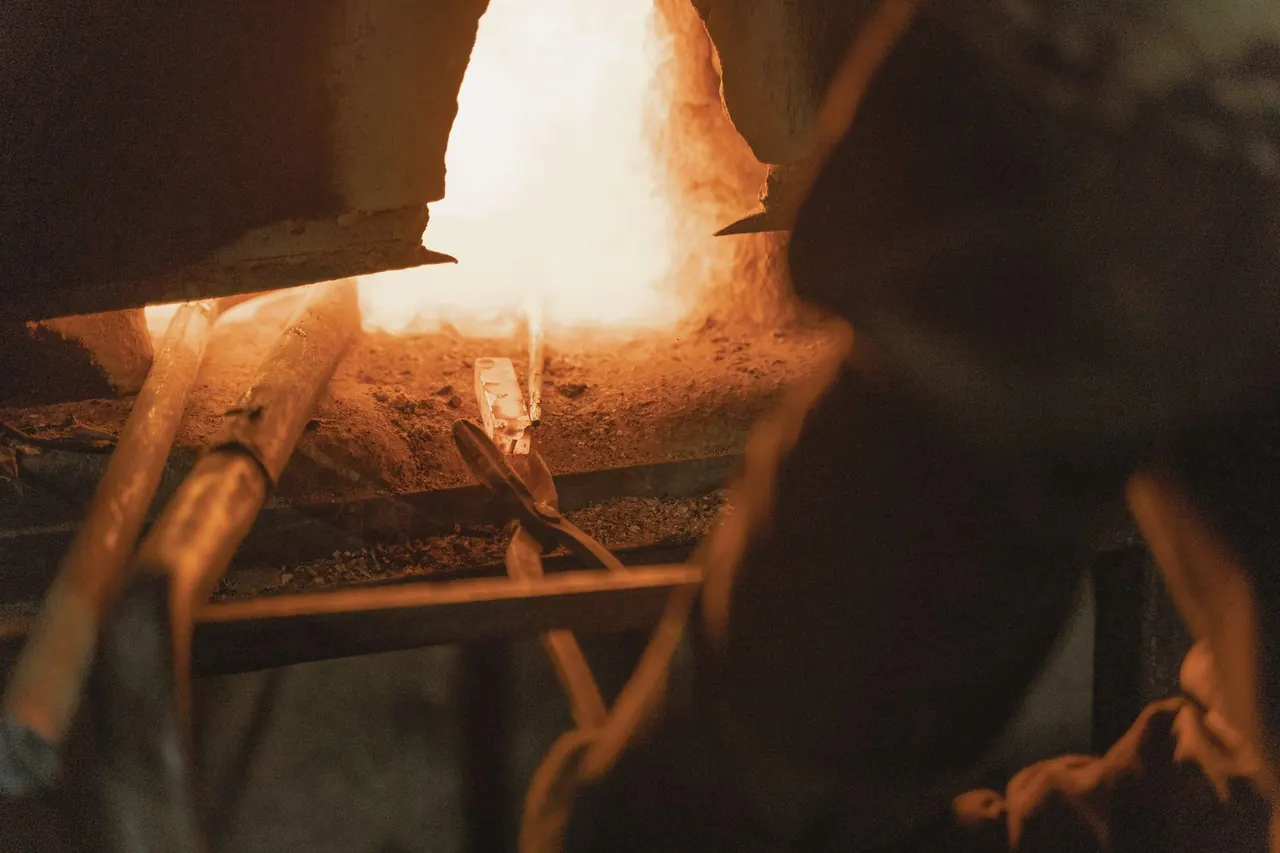
Pocatello sits at about 4,500 feet in Bannock County, and winter here runs from October into April with stretches in the single digits and teens. That long, cold season means Carrier furnaces work harder than the national average, and we see the wear in flame sensors, igniters, and blower motors.
Older homes in Old Town and near University Area often have undersized returns and original ductwork, which causes limit switch trips and uneven heating. Newer builds in Highland Area and Pocatello Creek tend to have tighter envelopes, so airflow setup matters more. We also serve rural addresses around Mink Creek, Tyhee, and Portneuf Gap, where propane is common and gas pressure needs adjusting for altitude.
If you search Carrier furnace repair near me Pocatello ID, you will find us working these neighborhoods daily. We keep Carrier furnace parts Pocatello ID homes need on the truck so most repairs finish in one trip.
Before: A Carrier 58-series furnace locked out every morning. The homeowner reset it daily for a week, then it stopped lighting at all. The fault code pointed to flame sense, and the sensor was coated black.
After: We cleaned the flame sensor, replaced a weak igniter, and verified three full heat cycles. Temperature rise came back to the 40 to 70 degree range Carrier specifies, and the furnace has run without a lockout since.
Change the air filter every one to two months during heating season. A clean filter keeps airflow up and reduces the soot that fouls the flame sensor.
Before: A Carrier furnace short cycled every four minutes. The house never reached setpoint, and the gas bill climbed. The limit switch was tripping from overheating, caused by a clogged filter and a weak blower capacitor.
After: We replaced the blower capacitor, installed a new filter, and checked static pressure. The furnace now runs 12 to 15 minute cycles and holds temperature within one degree of the thermostat setting.
Have the blower motor and capacitor checked each fall. A failing capacitor is cheap to replace and prevents the motor from overheating.
Before: A Carrier furnace ran the fan but blew cold air. The homeowner assumed the furnace was dead. The real issue was a dirty flame sensor causing ignition failure, so the board ran the blower without flame.
After: We cleaned the flame sensor, verified gas pressure with a manifold gauge set, and confirmed a clean light-off. The furnace now heats the house to 70 degrees in about 20 minutes from a cold start.
Schedule a combustion and flame sensor check before the first cold snap each fall. Catching a dirty sensor early avoids a mid-winter no-heat call.
Most Carrier no-heat calls trace back to a handful of failures. Here are the ones we see most in Pocatello, and what happens if you let them ride.
Heat back fast, with the failed part shown and explained.
Most Carrier furnace repairs in Pocatello finish in two to four hours, and we book same-day slots when the schedule allows. If your Carrier furnace not turning on Pocatello ID call comes in before noon, there is a good chance you sleep warm that night. We keep igniters, flame sensors, and capacitors on the truck.
Carrier units use their own control boards, fault codes, and inducer assemblies. We read those codes instead of guessing, which cuts diagnostic time and prevents the parts-cannon approach. That means you pay for the failed component, not three maybes. It is the difference between a real Carrier furnace service Pocatello ID call and a generic tune-up.
You get the diagnosis and a flat repair price before we start. We tell you which one you are looking at up front.
Every Carrier repair includes a heat exchanger inspection and a gas leak detector pass on the burners and valve. A cracked heat exchanger is a carbon monoxide risk, and Pocatello homes run furnaces long enough that cracks show up. If we find one, we show you the photo and explain your options before you decide anything.
What a written scope covers and what shapes it. Prices are set by the business after the first look.
Included
Depends on
Clear records you can keep and share.
Image of the failed component
What we found and replaced
Temperature rise and CO readings
Flat price, itemized parts and labor
Age, part cost, and heat exchanger condition decide whether a Carrier is worth repairing.
Better on older, cracked units
Keeps a good furnace running
A list like this tells people straight away whether you cover their street. Not listed? Call and ask: it only takes a minute.
Based in Pocatello and covering the places around it. Pick one for local details.
Diagnostic fee is credited toward the repair. A cracked heat exchanger or failed gas valve pushes cost higher, and we quote the exact price before starting.
Our team does, and we do it daily across Pocatello and Bannock County. We work on Carrier gas, electric, and propane furnaces, including older models with discontinued parts. Call (208) 764-8111 with your model number and symptoms, and we will tell you what parts to expect and when we can get there.
We carry common Carrier parts on our trucks, including igniters, flame sensors, thermocouples, blower capacitors, and several control boards. For less common parts, we order from Carrier suppliers and usually have them within one to three business days. You do not need to source parts yourself; that is part of the repair.
Labor is usually not covered. We check your model and serial number during diagnosis and tell you what is covered before you approve any work.
Other services from the same team.
No heat is not something to wait out. Call Pocatello Furnace Repair Pros at (208) 764-8111, tell us your Carrier model and symptoms, and we will book the next available visit. Flat pricing before we start, parts on the truck, and heat back the same day whenever the schedule allows.
Call us at (208) 764-8111 or email info@pocatellofurnacerepairpros.com. We answer calls Monday through Friday, 8 a.m. to 6 p.m., and we offer emergency service for no-heat calls. If you need furnace repair in Pocatello, ID, reach out and we will get you scheduled.