For homeowners
Your Goodman furnace quits and the house gets cold fast. We test the ignition system, find the failed part, and explain the repair before we start.
- No heat on a cold night
- Furnace blowing cold air
- Short cycling and uneven heat
When your Goodman furnace quits in Pocatello, Idaho, you need a crew that knows these units. We diagnose ignition, airflow, and control faults on the first visit, then repair them with parts we stock for Goodman. Whether it is a no-heat call in Chubbuck or a short-cycling unit near Idaho State University, we get your heat back on and explain what failed so you can avoid the same breakdown next winter.
 Test flame signalCheck gas pressureInspect heat exchanger
Every Goodman furnace repair call covers a full diagnostic, the repair itself, and a post-repair test. Here is what is included when we come out. If we find a second issue, we quote it separately before doing the work.
We test the igniter, flame sensor, gas valve, and limit switch with a multimeter and combustion analyzer. We also check the heat exchanger for cracks and verify carbon monoxide levels. You get the test results, not just a verdict.
We install Goodman-compatible igniters, flame sensors, capacitors, control boards, and inducer motors. Our trucks carry the common parts, so most repairs finish the same day. We show you the failed part and explain what caused it to go.
After the repair, we measure temperature rise at the return and supply and compare it to the Goodman spec plate. If the rise is off, we check the filter, the blower, and the ductwork. Correct airflow keeps the furnace from tripping the limit switch again.
We run the furnace through three full heating cycles and watch the flame signal, the inducer, and the blower. If anything is off, we catch it before we leave. You get a furnace that has proven it can heat your home, not just start once.
A clogged filter is the most common cause of limit switch trips on Goodman furnaces. We check yours, replace it if you have one on hand, and write the correct size on your invoice. That makes it easy to pick up the right filter next time.
The approach is the same for a home and a business. What changes is the access, the schedule and who needs the paperwork.
Your Goodman furnace quits and the house gets cold fast. We test the ignition system, find the failed part, and explain the repair before we start.
Tenants call when the heat stops, and you need it fixed without a second trip. We diagnose the Goodman unit, quote the repair, and document the work for your records.
A plain-language look at what Goodman Furnace Repair involves and when it is needed.
See how it worksGoodman Furnace Repair in Pocatello is the diagnostic and mechanical work that restores heat to a Goodman-brand furnace. Our technicians test the ignition sequence, verify gas pressure at the valve, inspect the flame sensor and thermocouple, and check the inducer motor and blower for correct operation. We use a multimeter and combustion analyzer on every call, so you get a real answer, not a guess. Most repairs come down to a dirty flame sensor, a failed igniter, a weak capacitor, or a control board that has stopped sending voltage.
Pocatello winters drop below zero, and a furnace that short cycles or blows cold air will not keep up. Homes in Old Town and the University Area often have older ductwork and undersized returns, which makes airflow problems worse. If your Goodman furnace is blowing cold air in Pocatello, ID, we check the limit switch, the gas valve, and the heat exchanger before we recommend any part. We also carry common Goodman furnace parts in Pocatello, ID on the truck so most jobs finish the same day.
Goodman furnace repair restores heat by testing the ignition sequence and replacing the failed part.
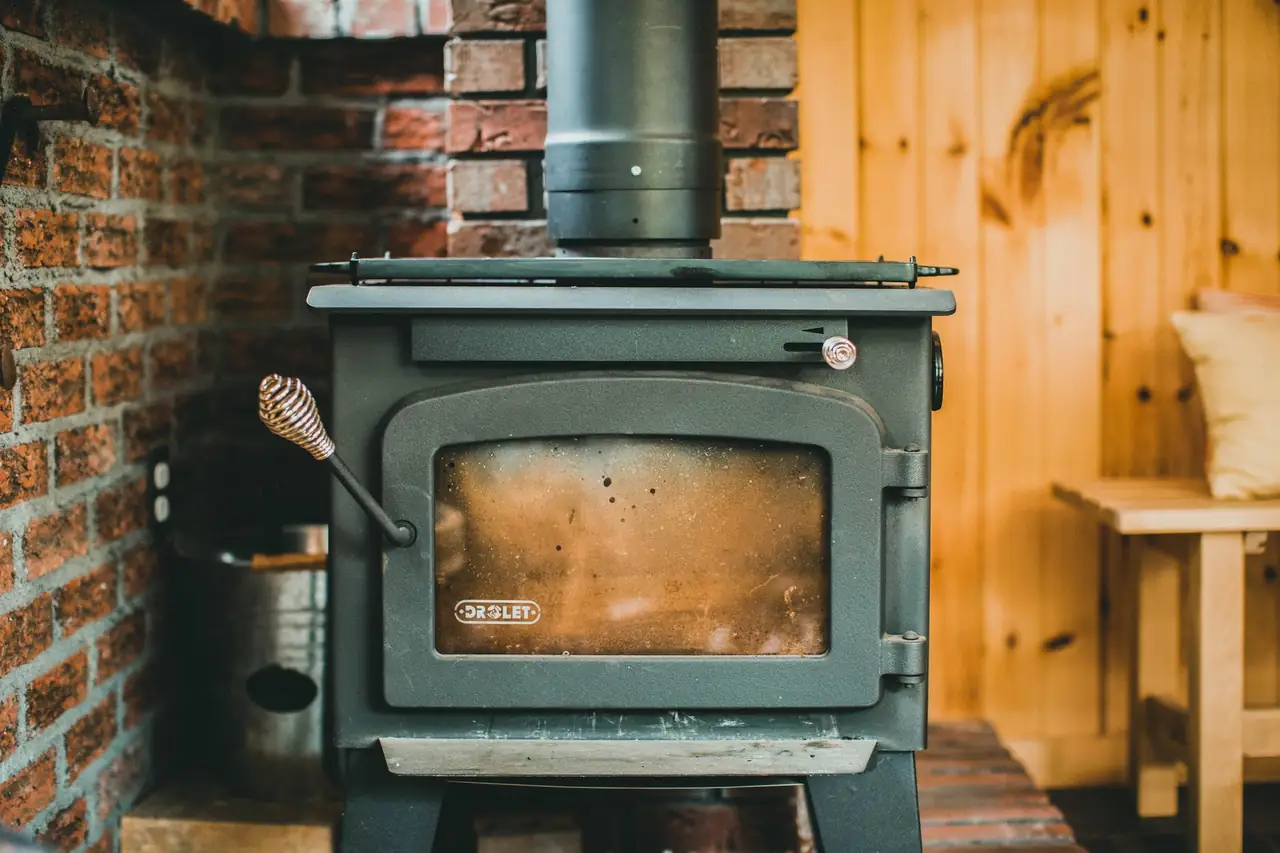
From the first phone call to the final test, here is what you can expect when we come out to your Pocatello home.
We ask for your furnace model, the fault code if you have one, and what the system is doing. That five-minute call tells us which parts to load on the truck. If your Goodman furnace is blowing cold air Pocatello ID, we bring a flame sensor and igniter kit as a precaution.
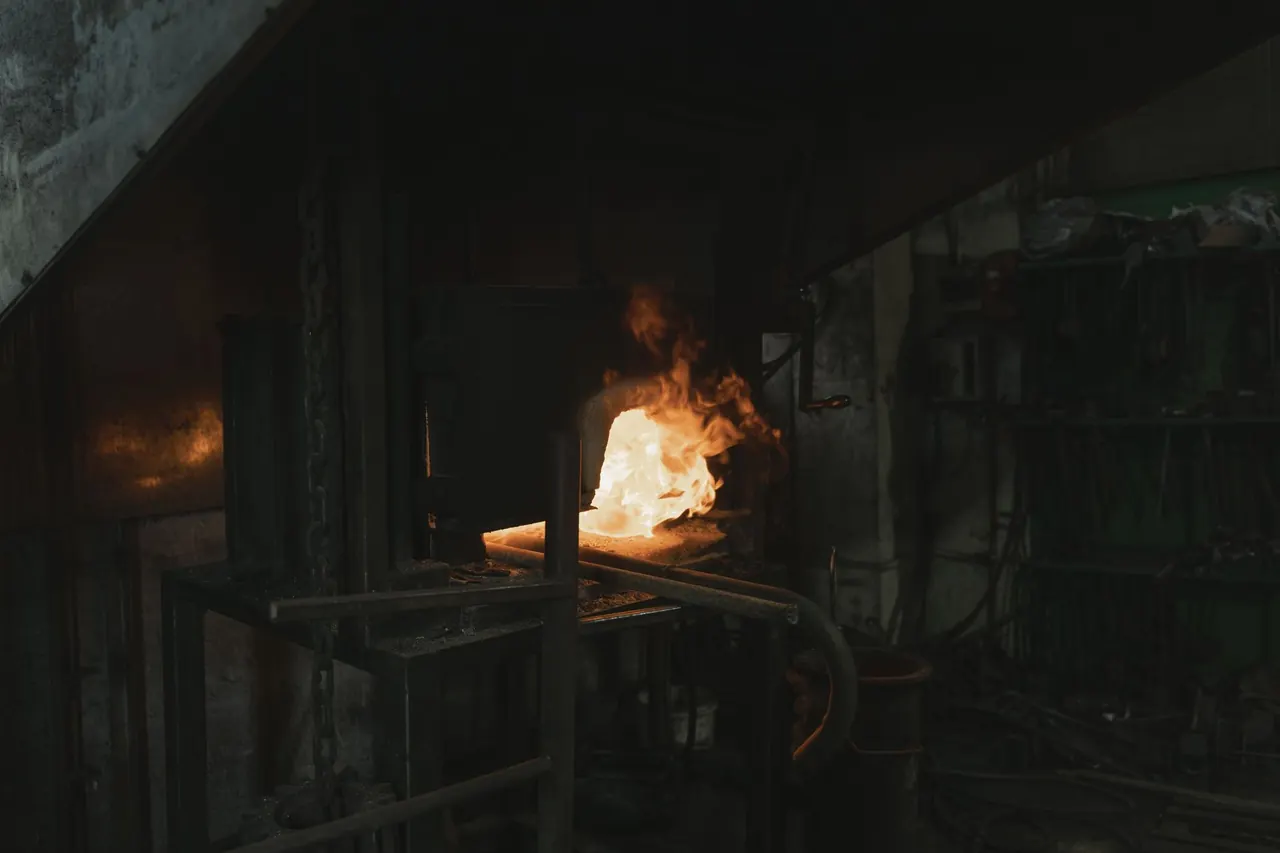
Our tech arrives in a marked truck, lays down floor protection, and runs a full ignition test. We use a multimeter, a manometer, and a combustion analyzer to check gas pressure, flame signal, and temperature rise. Diagnosis takes 30 to 45 minutes, and we explain what we find before quoting the repair.
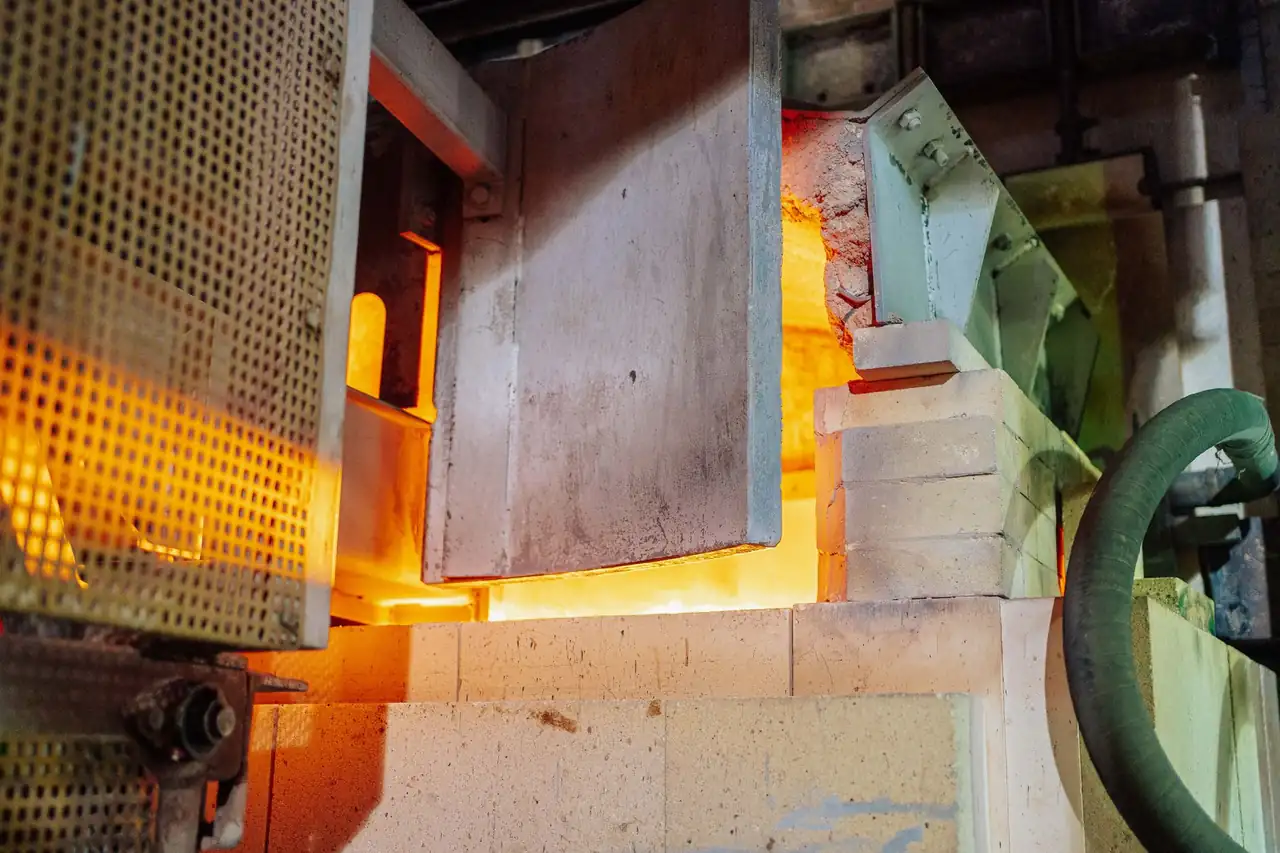
You get a written price for the repair, including the part and labor. If the fix is simple, like a dirty flame sensor, the quote reflects that. If the control board or inducer motor has failed, we show you the test result that proves it. No work starts until you approve the number.
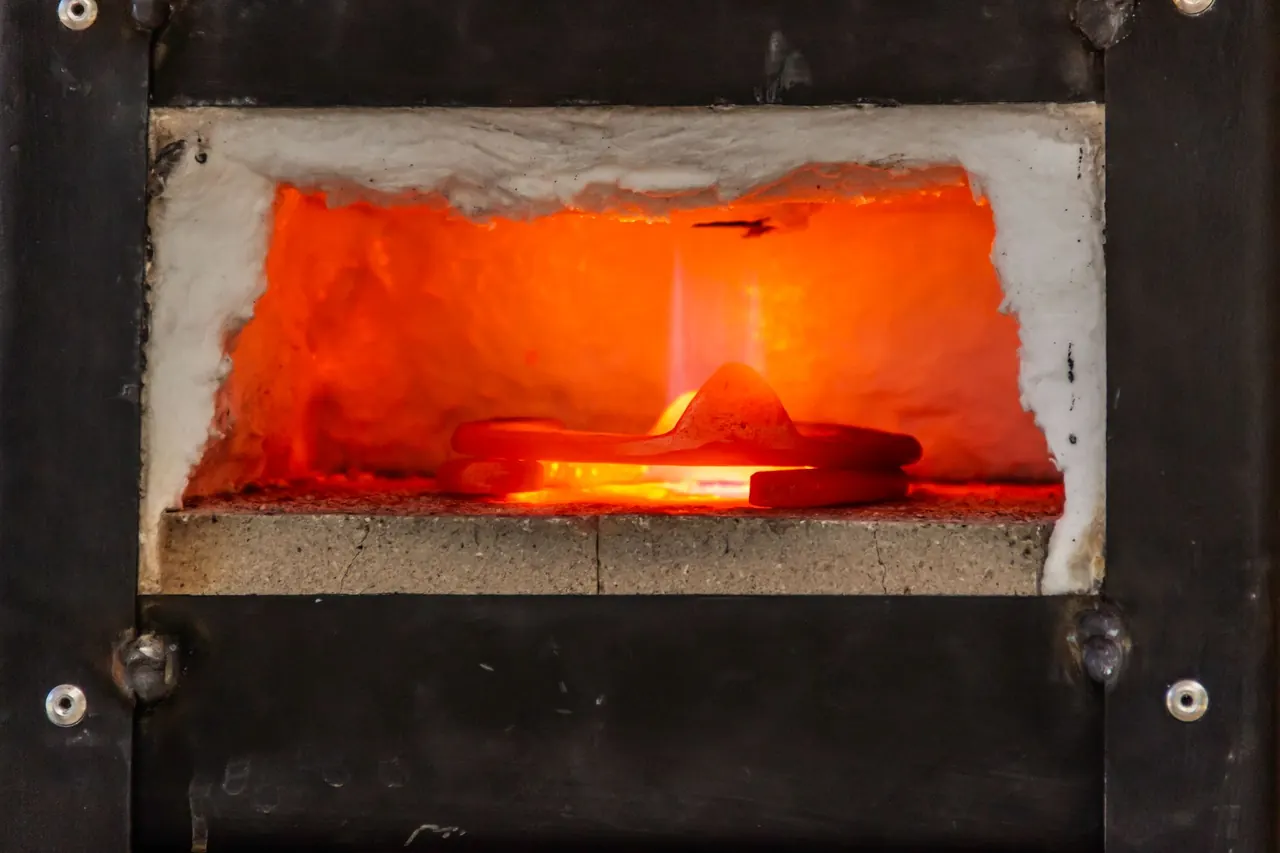
We install the replacement part, then run the furnace through three full heating cycles. We check temperature rise at the return and supply, verify the flame sensor reading in microamps, and confirm the limit switch is not tripping. Most repairs take one to three hours.
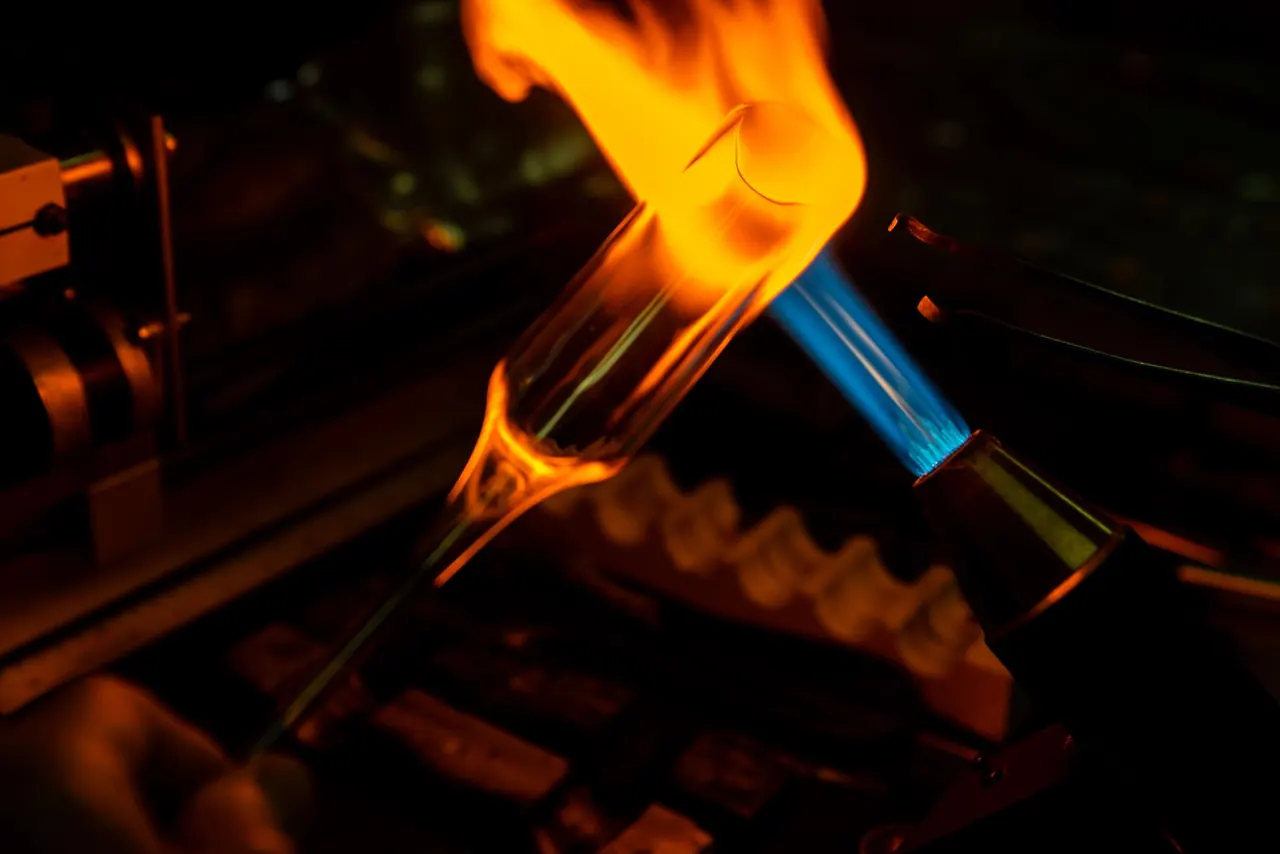
Before we leave, we walk you through what failed, show you the old part, and check your air filter. We note the filter size on your invoice so you can pick up the right one next time.
Move across a circle, or focus it and press Enter, for an illustrative thermal view of the photograph.
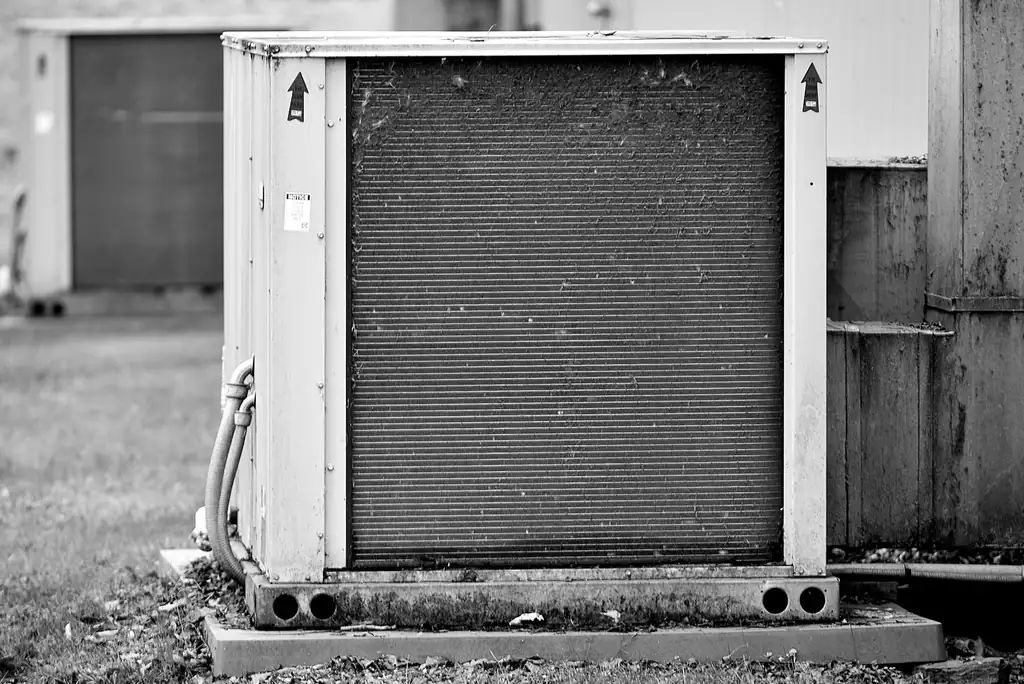
We use it to measure gas pressure at the valve and set the manifold pressure to the Goodman spec plate. Incorrect pressure causes sooting and ignition problems.
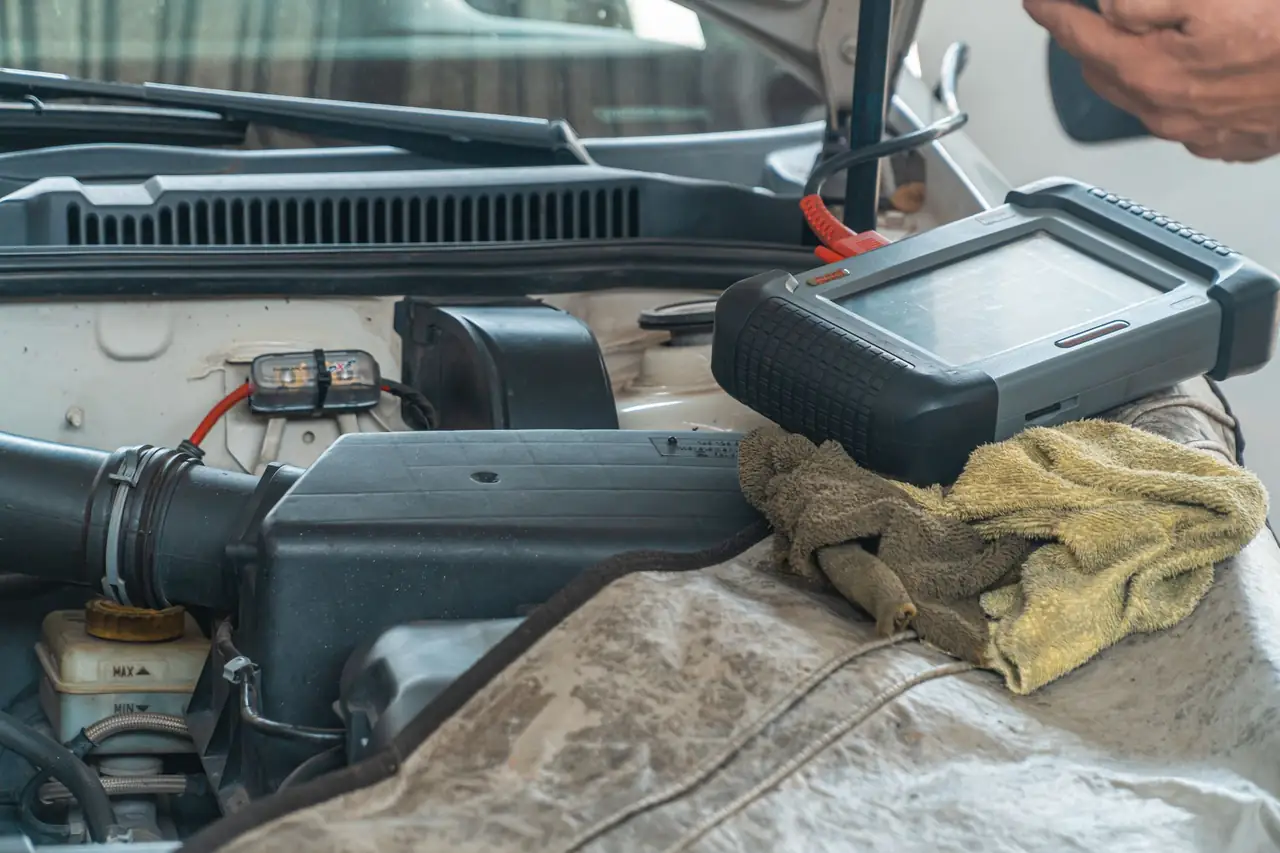
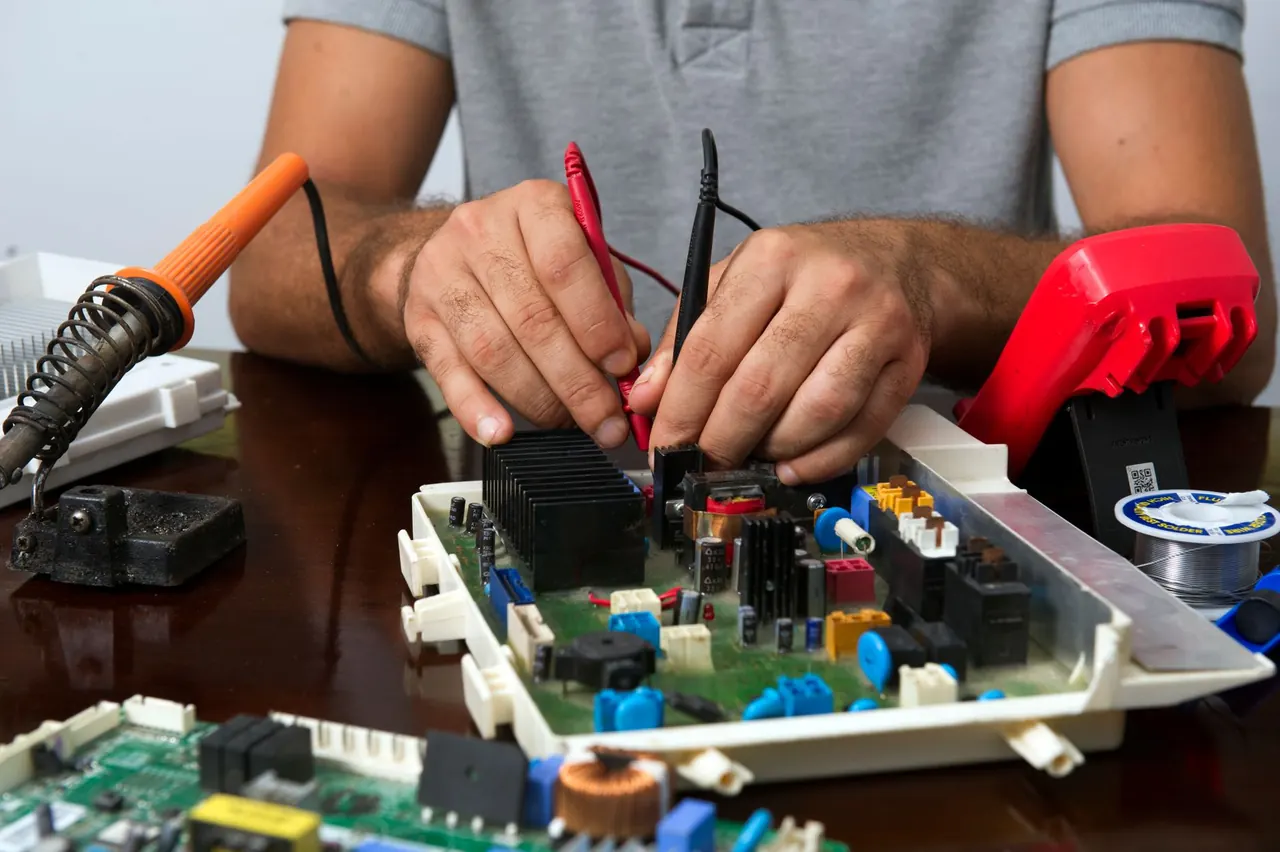
We test voltage at the control board, the igniter, and the gas valve. The clamp meter measures blower motor amp draw to catch a failing motor before it dies.
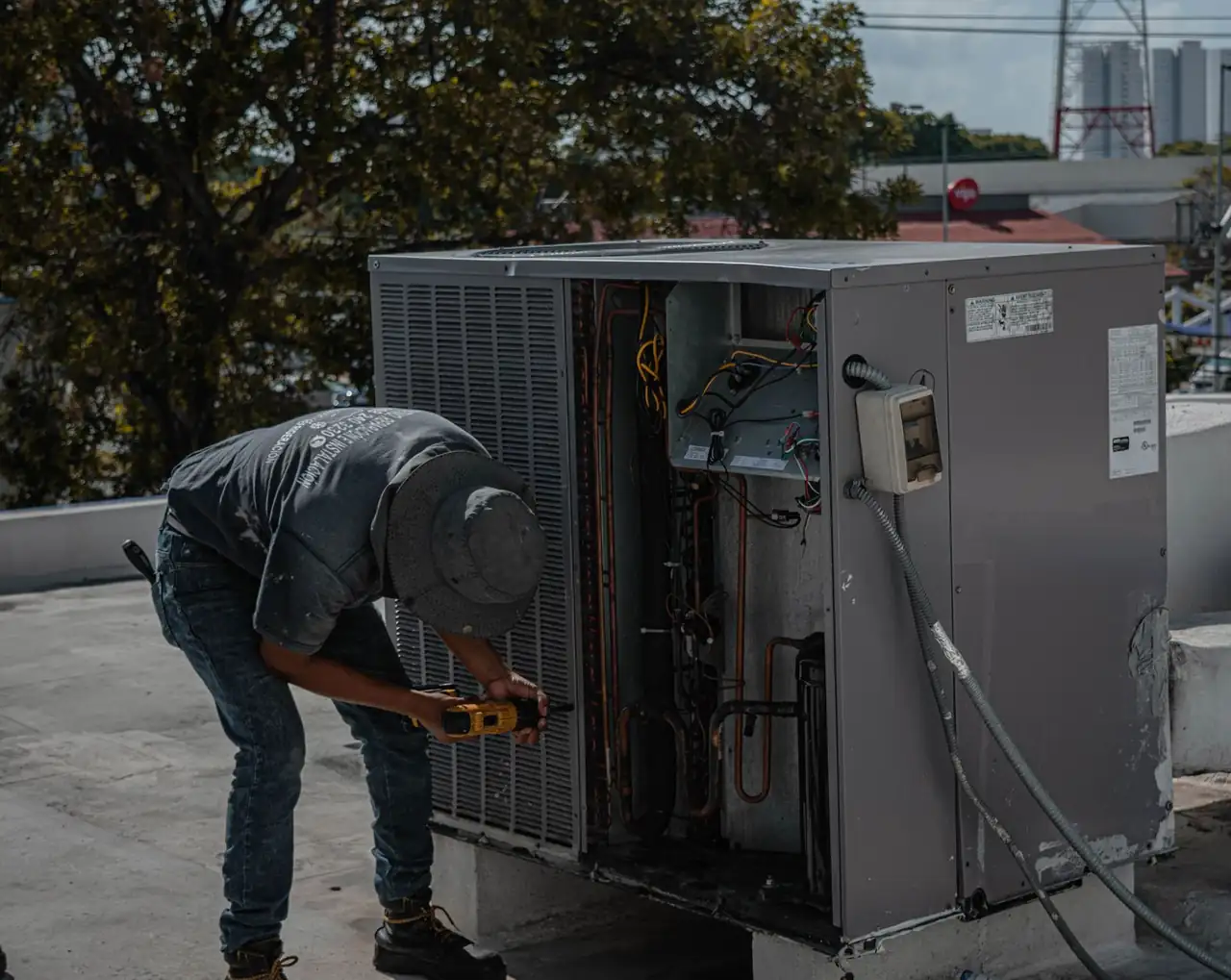
We measure carbon monoxide and combustion efficiency at the flue. It also helps confirm a cracked heat exchanger when the CO reading is high.
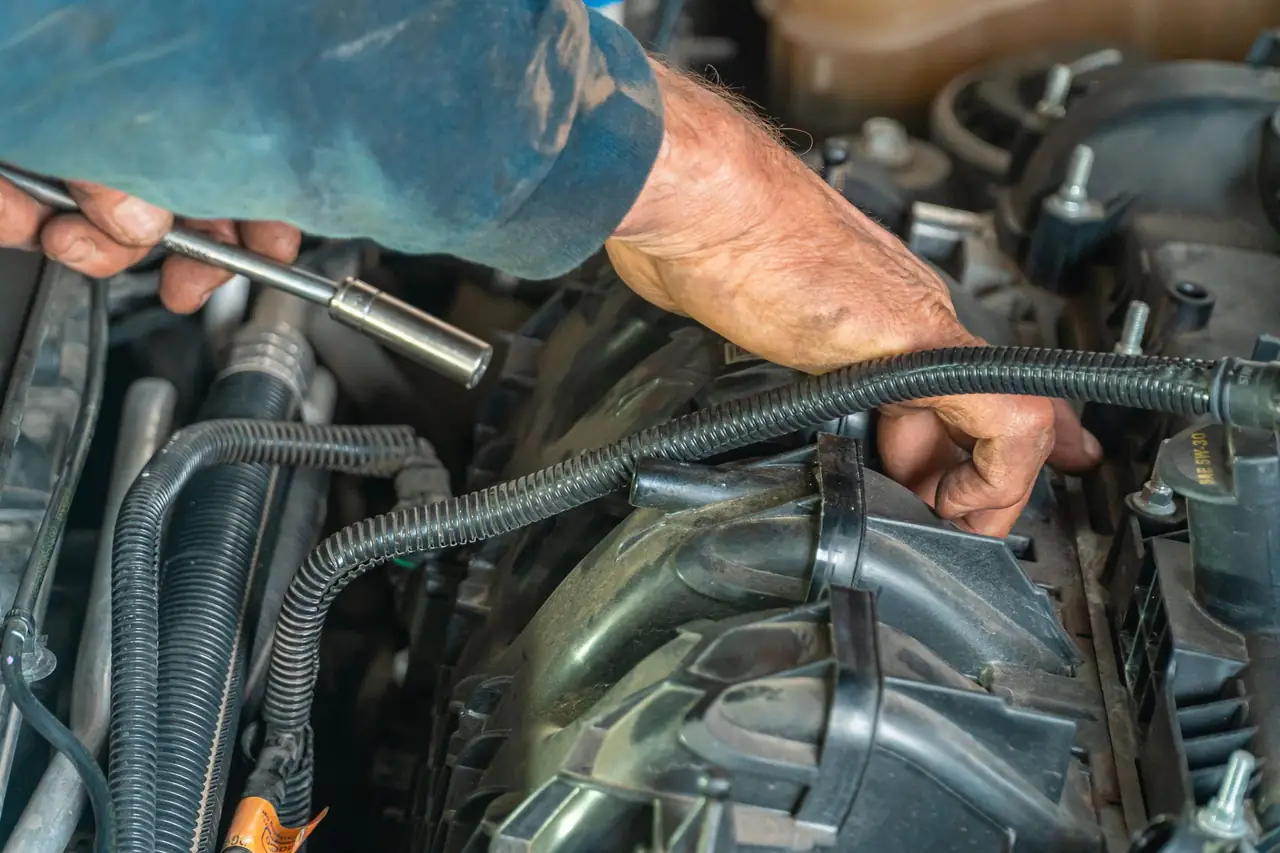
This reads the flame signal in microamps. A reading below spec means the sensor is dirty or failing, which is the most common Goodman no-heat cause.
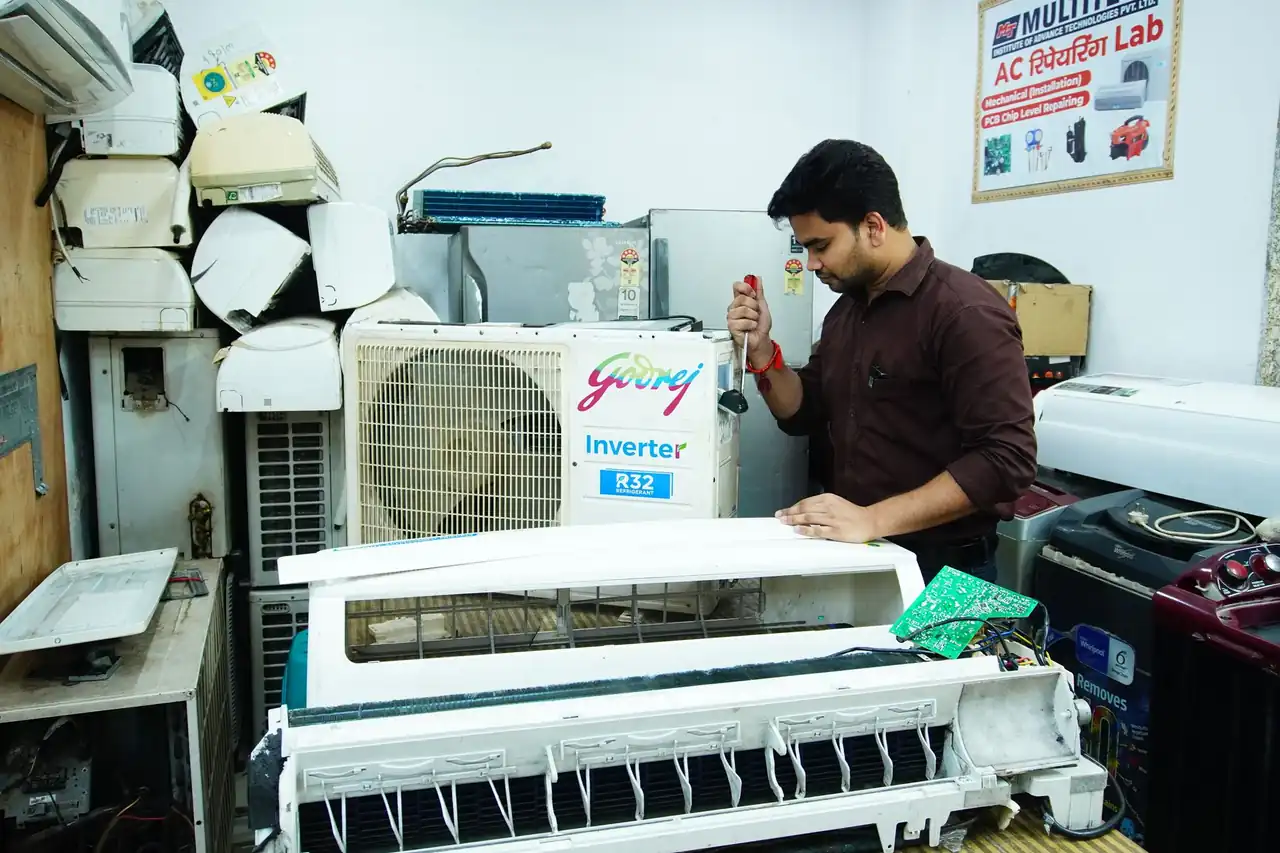
We check every gas connection we touch, plus the valve and manifold. Safety comes first on any gas-side repair.
Thermal views are illustrative, generated from the photographs.
We measure airflow at the return and supply registers. Low airflow causes limit switch trips and uneven heating, especially in older Pocatello homes.
Our techs follow a standard ignition sequence test on every call: call for heat, inducer, pressure switch, igniter, flame sensor, gas valve, blower. Skipping steps leads to misdiagnosis. We run the full sequence and document each reading.
We measure static pressure and temperature rise against ACCA standards. If the system is outside the range, we check the filter, the blower, and the ductwork. Correct airflow is how we keep a repaired furnace from failing again.
Our techs hold EPA Section 608 credentials for refrigerant and gas-side work. On every Goodman repair, we follow safe gas handling and combustion testing procedures. That protects your home and our crew.
Goodman control boards flash fault codes that point to the failed component. We carry the code chart and read the flashes before testing. That narrows the diagnosis fast and avoids replacing parts that are still good.
Your Goodman furnace quits on the first sub-zero night in January and the house is dropping below 60 degrees.
We treat no-heat calls as priority. A tech arrives with a flame sensor, igniter, and control board on the truck. We diagnose the fault, quote the repair, and get heat back on the same visit whenever the part is in stock.
Outcome: You get heat back the same day in most cases, and a clear explanation of what failed so you can plan for maintenance.
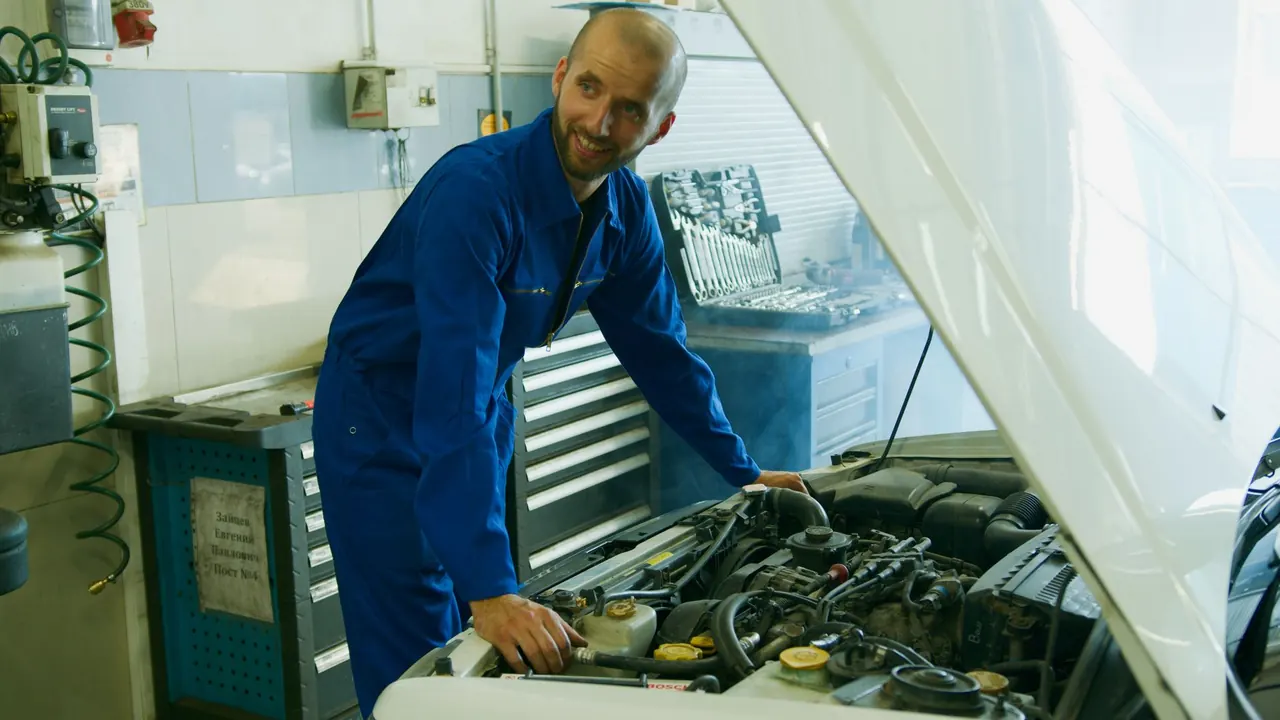
Your Goodman furnace runs but never gets the house above 65 degrees, and some rooms stay cold.
We check temperature rise, filter condition, and blower operation. If the furnace is short cycling on the limit switch, we correct the airflow. If the ductwork is the issue, we explain what a duct repair would involve.
Outcome: The furnace runs longer cycles and the house reaches the thermostat setpoint. You know whether the fix is a repair or a duct project.
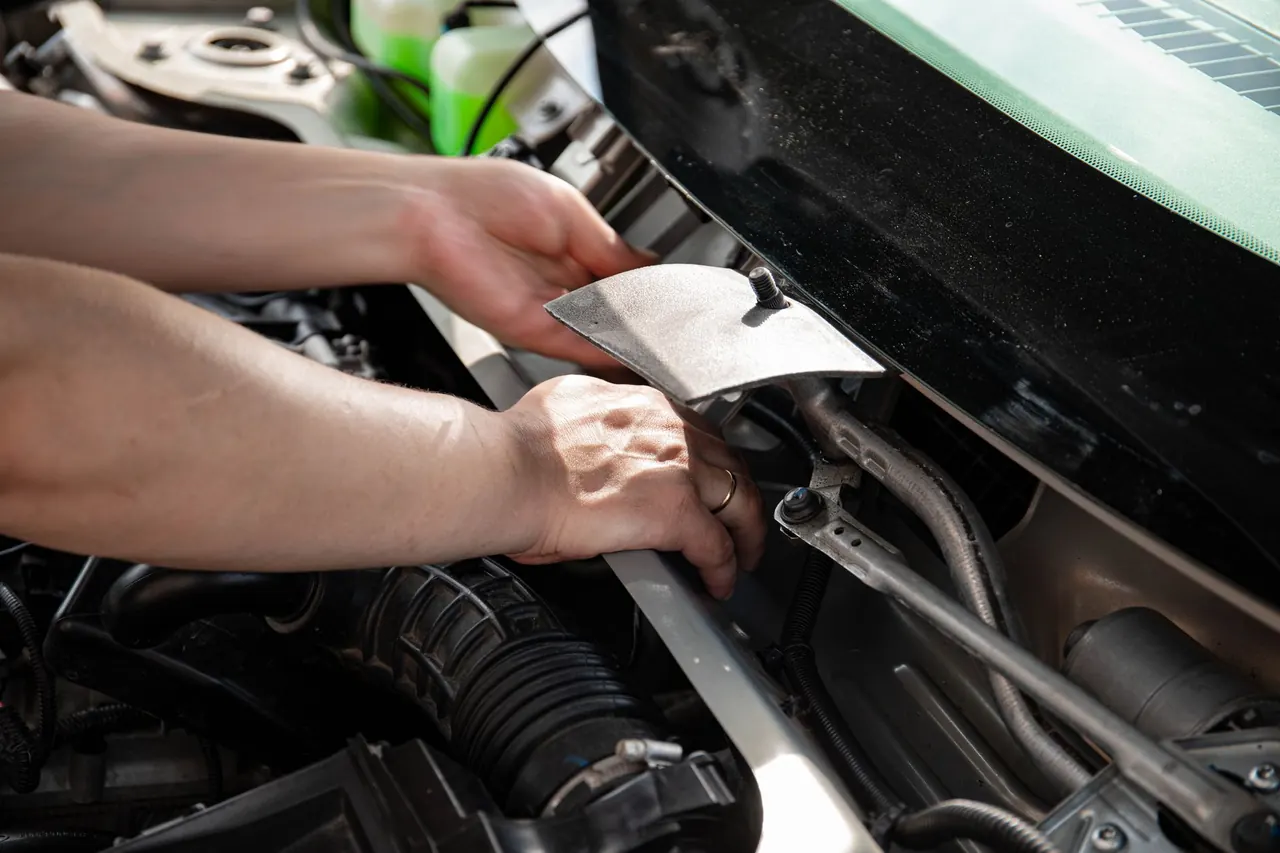
Your Goodman furnace lights, runs for a minute, then shuts off and tries again.
That pattern points to a dirty or failing flame sensor. We pull the sensor, test it, and clean or replace it. Then we verify the flame signal in microamps and run three heating cycles to confirm the fix.
Outcome: The furnace stays lit and heats normally. You avoid a repeat shutdown and the igniter lasts longer.
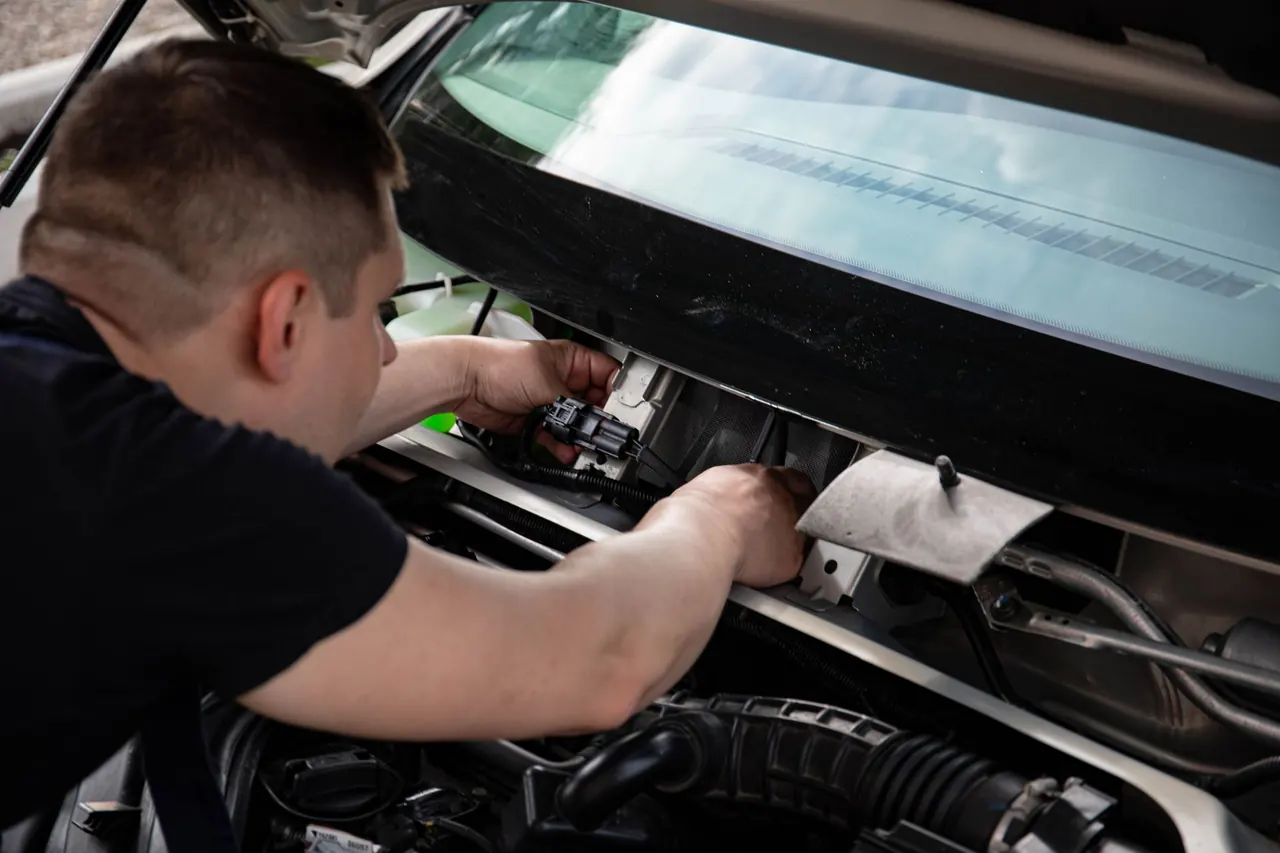
You are selling your home and the buyer's inspector flagged the Goodman furnace for a cracked heat exchanger.
We inspect the heat exchanger with a camera and a combustion analyzer. If there is a crack, we show you the footage and explain your options. If the inspector was wrong, we document the test results for the buyer.
Outcome: You get a clear answer and documentation either way. If repair is needed, we quote it before any work starts.
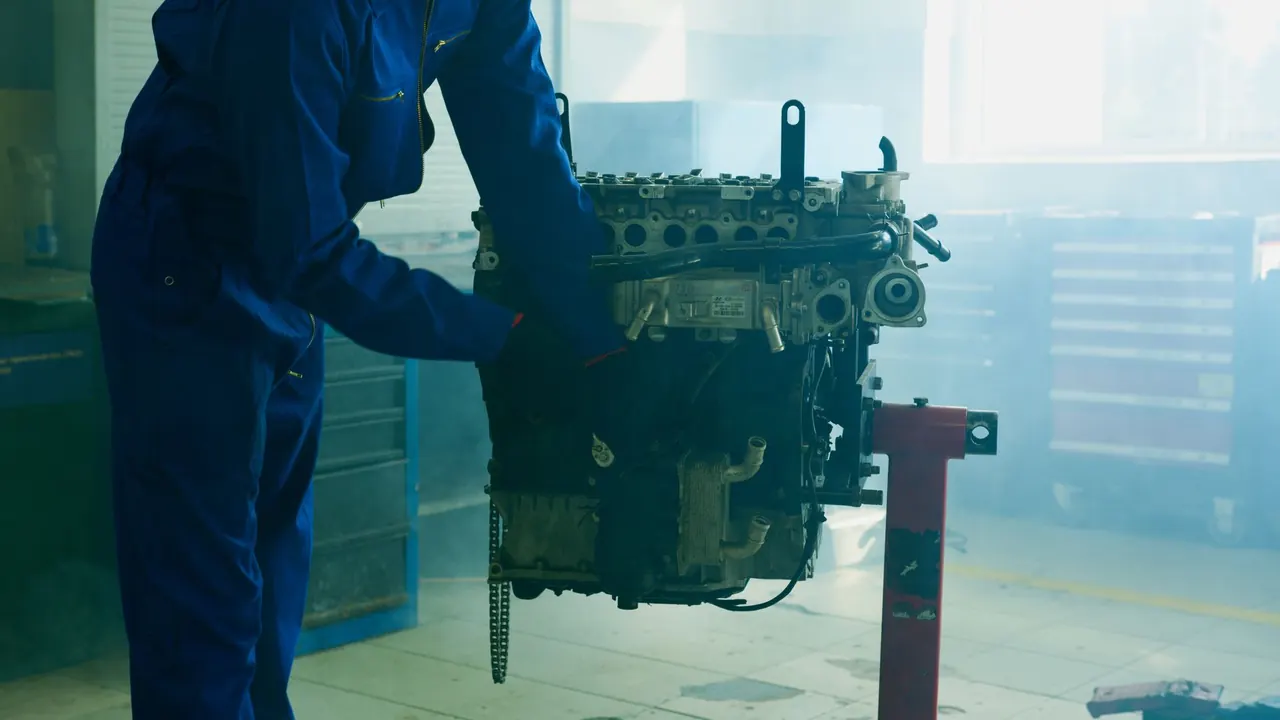
Your rental property near the university has a Goodman furnace that will not turn on and the tenants are calling.
We schedule the call quickly and keep you informed. The tech diagnoses the fault, quotes the repair, and gets approval from you by phone. We finish the repair and send you the invoice and photos of the failed part.
Outcome: Tenants get heat back the same day and you get documentation for your records without driving across town.
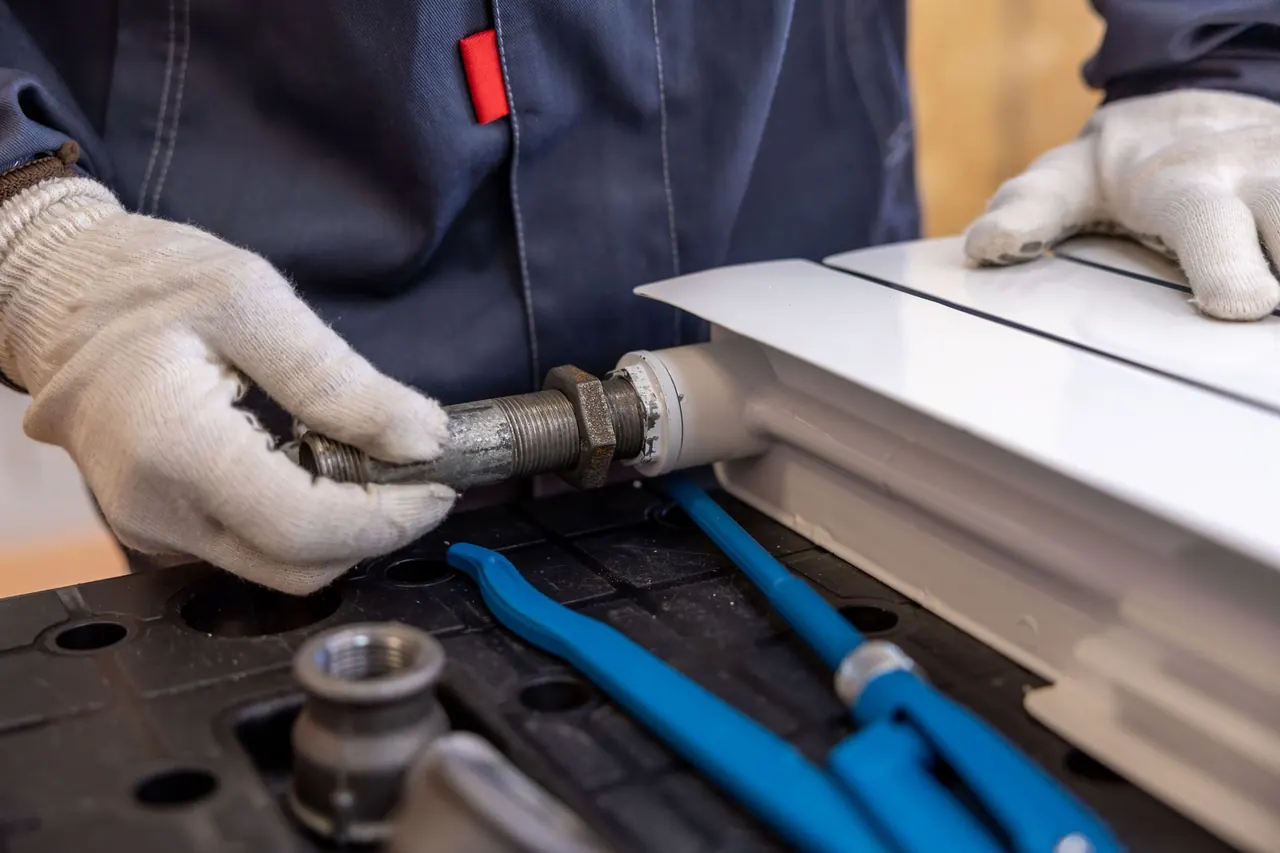
Pocatello winters are dry and cold, with stretches below zero and a freeze-thaw cycle that stresses furnaces. Most homes here have forced-air gas furnaces, and Goodman is one of the most common brands in the older neighborhoods and rental stock. We see a lot of dirty flame sensors and cracked igniters because of the dust that comes with our dry climate.
Homes in Old Town and the University Area often have undersized returns, which causes limit switch trips and uneven heating. If you need Goodman heating repair Pocatello Idaho, we check airflow before we replace any part. We also handle Goodman furnace repair in Pocatello Creek and out along Bannock Highway, where propane is more common and manifold pressure needs to be set correctly.
Our trucks carry Goodman igniters, flame sensors, and capacitors, so most repairs finish in one visit.
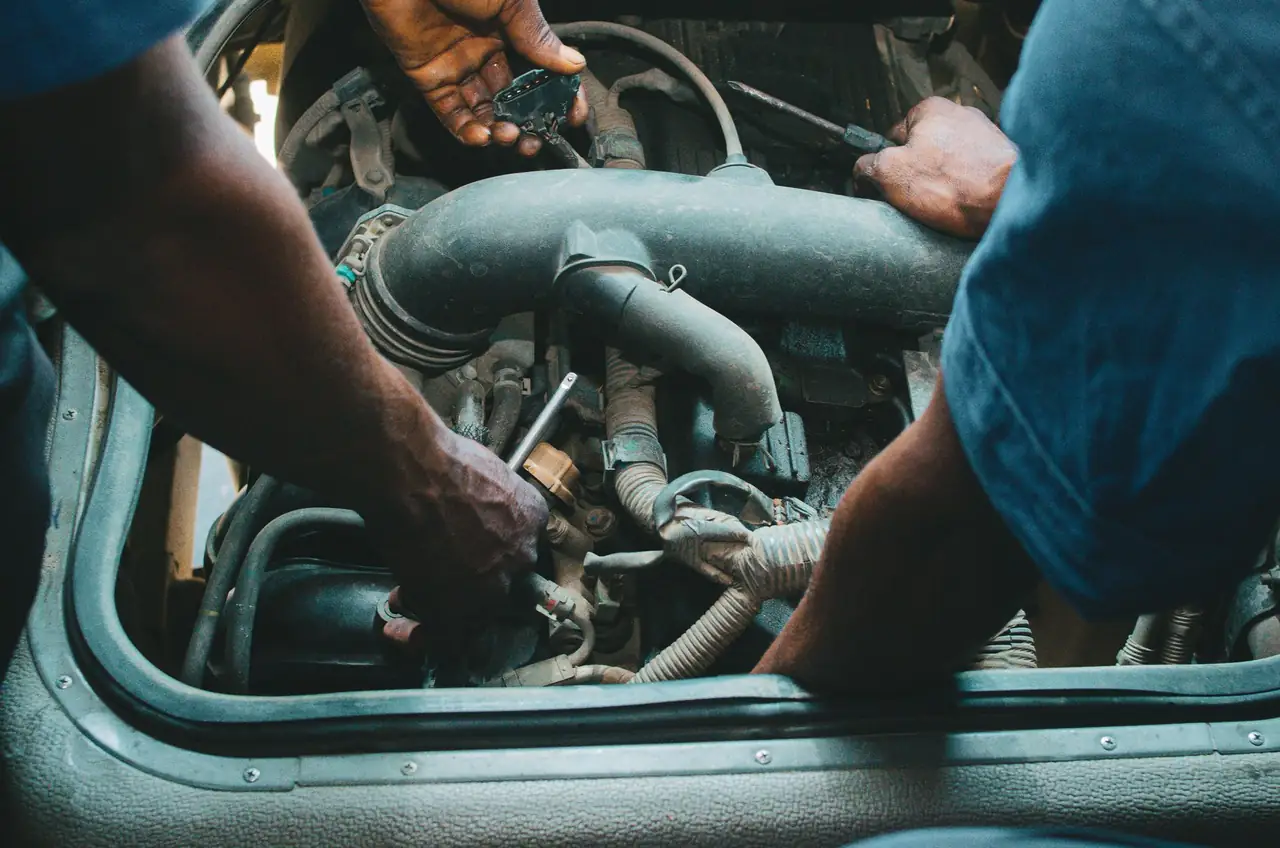
Before: A homeowner in Highland Area called because the Goodman furnace was blowing cold air. The blower ran, but the burners never stayed lit. The flame sensor was coated with dust and the signal was too weak to hold the gas valve open.
After: We cleaned the flame sensor, verified the microamp reading was back in spec, and ran three heating cycles. The furnace held heat and the house reached 70 degrees in about 40 minutes. Total repair time was under two hours.
Change the air filter every one to three months and schedule a pre-season cleaning in early fall. That keeps dust off the flame sensor and prevents the same shutdown next winter.
Before: A rental property near the university had a Goodman furnace short cycling every few minutes. The tenant had not changed the filter in over a year. The limit switch was tripping on high temperature because airflow was restricted.
After: We replaced the filter, checked the blower and heat exchanger, and reset the limit switch. Temperature rise came back into the Goodman spec range. The furnace ran full cycles and the tenant had steady heat the same day.
We wrote the filter size on the invoice and set a reminder for the property manager. A clean filter is the cheapest way to prevent limit switch trips and blower motor wear.
Before: A homeowner in Chubbuck had a Goodman furnace that would not turn on at all. The thermostat called for heat, but nothing happened. The control board had no fault code and no voltage at the igniter terminal. The board had failed.
After: We replaced the control board with a Goodman-compatible unit from truck stock, reprogrammed it, and ran the full ignition sequence. The furnace fired on the first try and held heat through three cycles. The repair was done in one visit.
Keep the furnace area clean and check the board for any burnt spots during your fall maintenance. A surge protector on the furnace circuit can also help protect the board from power spikes.
These are the calls we run most often on Goodman furnaces in Pocatello. If your system is doing any of these, call us before the problem gets worse.
Heat restored, failed part explained, and a furnace that proves it works.
Most Goodman furnace repair calls in Pocatello are finished in two to four hours. We stock igniters, flame sensors, capacitors, and control boards for Goodman units, so you are not waiting days for a part to ship. If we need a specialty component, we tell you the exact arrival window before we leave.
You get a written price before we start. We do not add diagnostic fees to the repair if you approve the work, and we explain why the part failed so you can decide what to do next.
Goodman furnaces have their own ignition sequence and board fault codes. Our techs carry the Goodman fault-code chart and a flame sensor tester on every call. That means fewer misdiagnosed control boards and more first-visit fixes on Goodman heating repair in Pocatello Idaho jobs.
Every Goodman furnace repair near me Pocatello call includes a heat exchanger inspection and a carbon monoxide check with a gas leak detector. A cracked heat exchanger is a real risk on older units, and we will show you the crack on camera before recommending replacement.
What a written scope covers and what shapes it. Prices are set by the business after the first look.
Included
Depends on
Clear records you can keep and share.
Part, labor, and filter size listed
Flame signal and temperature rise readings
Image of the failed component
Correct size for next replacement
Most Goodman furnace problems are repairable. A few point to replacement, and the difference matters for your budget.
Common failures with parts we stock
Costly parts on an older furnace
Safety or age issues
A list like this tells people straight away whether you cover their street. Not listed? Call and ask: it only takes a minute.
Based in Pocatello and covering the places around it. Pick one for local details.
A flame sensor or igniter replacement sits at the low end. A control board, inducer motor, or gas valve pushes the price higher. We quote the exact number before we start, and the diagnostic fee is waived when you approve the repair.
Pocatello Furnace Repair Pros repairs Goodman furnaces across Pocatello and Bannock County. We handle ignition, airflow, control board, and heat exchanger issues on residential and light commercial Goodman units. Call (208) 764-8111 and we will schedule a same-day visit when the schedule allows.
We stock common Goodman parts on our service trucks, including flame sensors, igniters, blower motor capacitors, and control boards. For less common components, we order through our supplier and typically have the part within one to two business days. You do not need to source the part yourself. We handle the lookup by model and serial number.
We check your model and serial number, tell you what is covered, and handle the paperwork.
Other services from the same team.
Call (208) 764-8111 and we will schedule a same-day visit when the schedule allows. You get upfront pricing, a stocked truck, and a tech who explains the repair before starting. If your Goodman furnace is blowing cold air, do not wait for the house to drop further.
Call us at (208) 764-8111 or email info@pocatellofurnacerepairpros.com. We answer calls Monday through Friday, 8 a.m. to 6 p.m., and we offer emergency service for no-heat calls. If you need furnace repair in Pocatello, ID, reach out and we will get you scheduled.