For homes
We repair gas furnaces in houses, condos, and rentals across Pocatello. We check ignition, airflow, and gas safety on every visit.
- Furnace blowing cold air
- Short cycling every few minutes
- Pilot light keeps going out
When your furnace quits on a 12-degree Pocatello night, you need Gas Furnace Repair in Pocatello that shows up with the right parts and the right tools. We work on Lennox, Carrier, Trane, Goodman, Rheem, Bryant, York, and Amana systems across Bannock County. Most no-heat calls get diagnosed in under an hour and repaired the same day, with upfront pricing before we start.
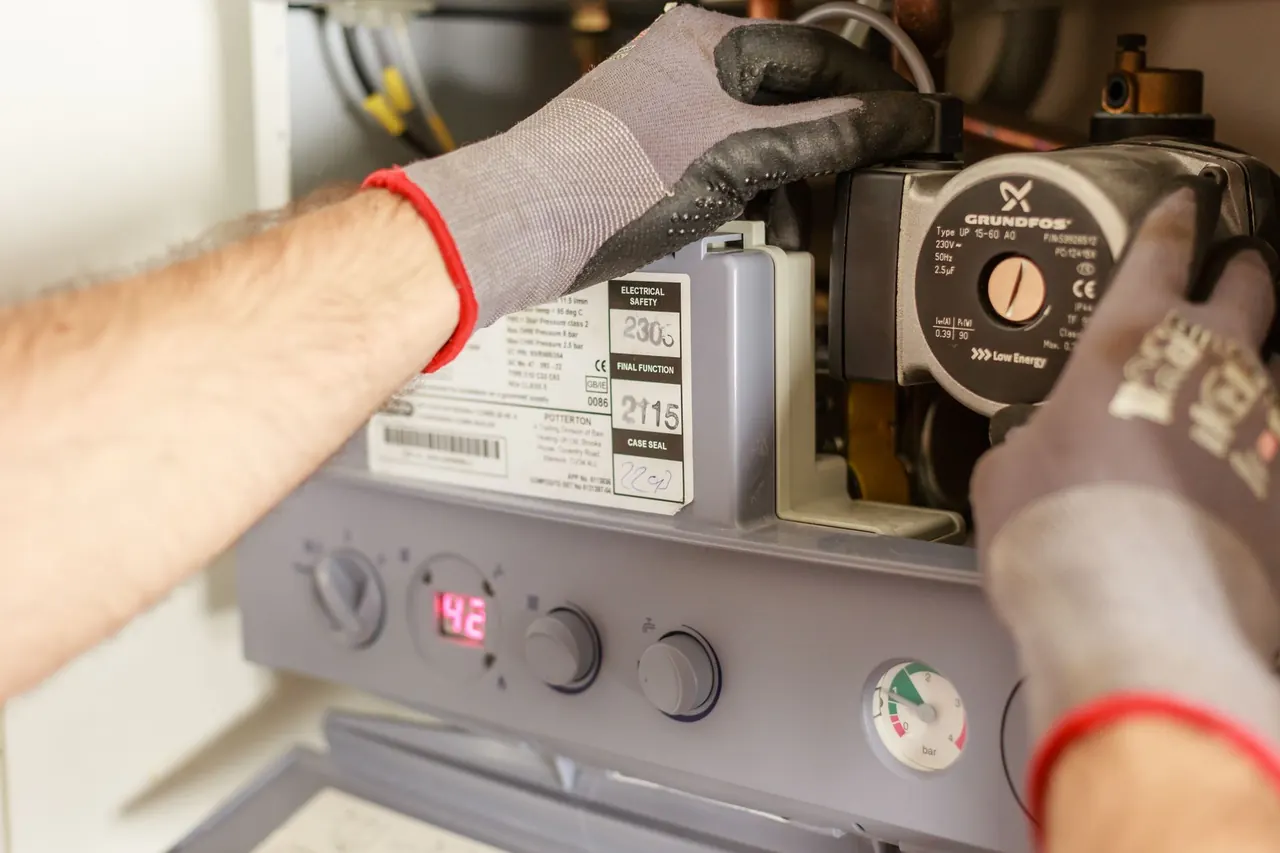 Ignition testGas leak sweepCombustion check
Every repair call starts with a full diagnostic and ends with a tested, safe furnace. Here's what's covered in a standard visit, and what we'll quote separately if your system needs it.
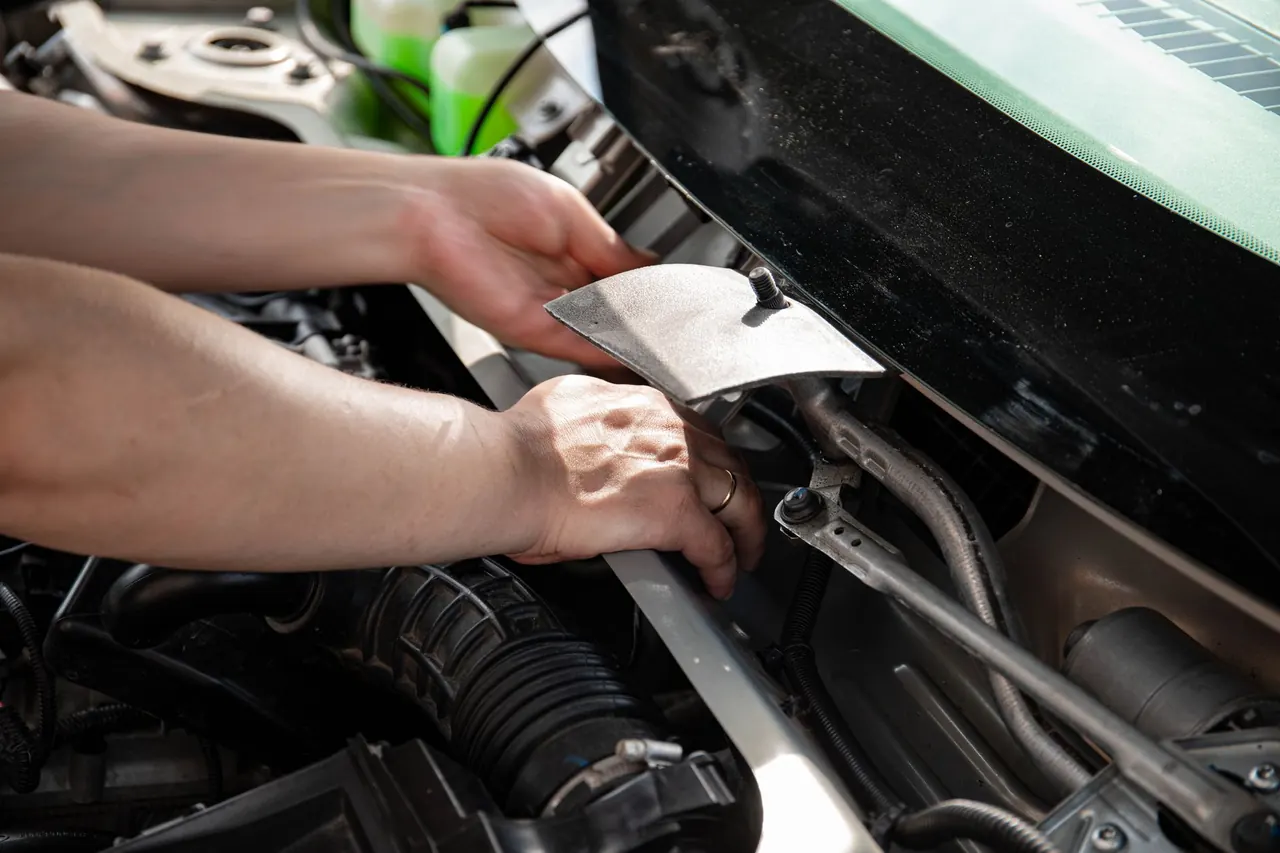
We test the thermostat call, inducer motor, igniter, flame sensor, and gas valve in order. That tells us exactly where the sequence is failing instead of guessing at parts.
A combustion analyzer reading tells us whether the furnace is burning clean. We check carbon monoxide levels in the flue and around the heat exchanger before we call the job done.
We sweep the gas valve, manifold, and supply connections with a gas leak detector. If we find a leak, we shut the gas off and repair it before the furnace goes back into service.
Multimeter checks on the control board, limit switch, capacitor, and blower motor. We verify amp draw and voltage so we know the part is actually failed before replacing it.
We visually inspect the heat exchanger for cracks, corrosion, or soot. A cracked heat exchanger is a safety issue, and we'll red-tag the furnace if we find one.
We check your air filter and measure temperature rise across the furnace. Restricted airflow causes short cycling and limit switch trips, so it's part of every diagnostic.
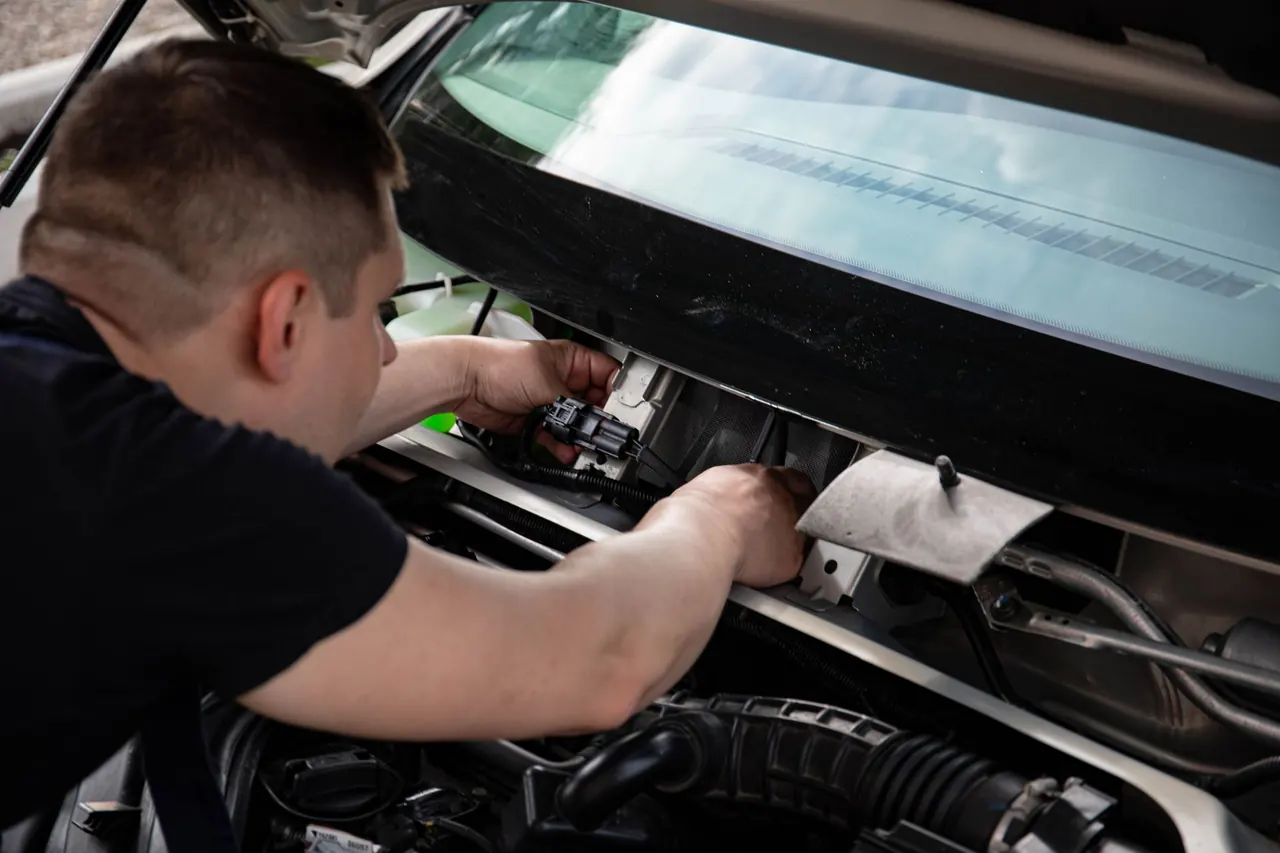
The approach is the same for a home and a business. What changes is the access, the schedule and who needs the paperwork.
We repair gas furnaces in houses, condos, and rentals across Pocatello. We check ignition, airflow, and gas safety on every visit.
We service commercial gas furnaces and rooftop units for Pocatello businesses. We work around your hours to keep the doors open.
A plain-language look at what Gas Furnace Repair involves and when it is needed.
See how it worksGas Furnace Repair in Pocatello is the diagnostic and mechanical work that finds why a gas-fired furnace stopped heating and returns it to safe, code-correct operation. That means testing the ignition sequence, flame sensor, thermocouple, gas valve, inducer motor, blower motor, control board, and limit switch with a multimeter, combustion analyzer, and gas leak detector. We measure, not guess. If the heat exchanger is cracked or the gas valve has failed, we tell you straight and walk you through the fix.
Pocatello furnaces take a beating. Winter design temps here sit near 5 degrees, and homes from Highland Area to Alameda run their systems six to seven months a year. That cycle wears out igniters, flame sensors, and blower motor capacitors faster than in milder climates. If your furnace is blowing cold air or short cycling, don't wait. Call (208) 764-8111 and we'll get a tech out for gas furnace repair near me Pocatello ID customers can actually reach.
Gas furnace repair is a diagnostic process: test the sequence, find the failure, fix it, verify heat.
Five steps from your first call to a warm house. No mystery, no runaround.
You call (208) 764-8111 and describe what the furnace is doing. Our dispatcher asks the right questions: is it blowing cold air, not turning on, short cycling, or making strange noises? That tells us what parts to load and whether this is an emergency gas furnace repair Pocatello ID call or a standard appointment.
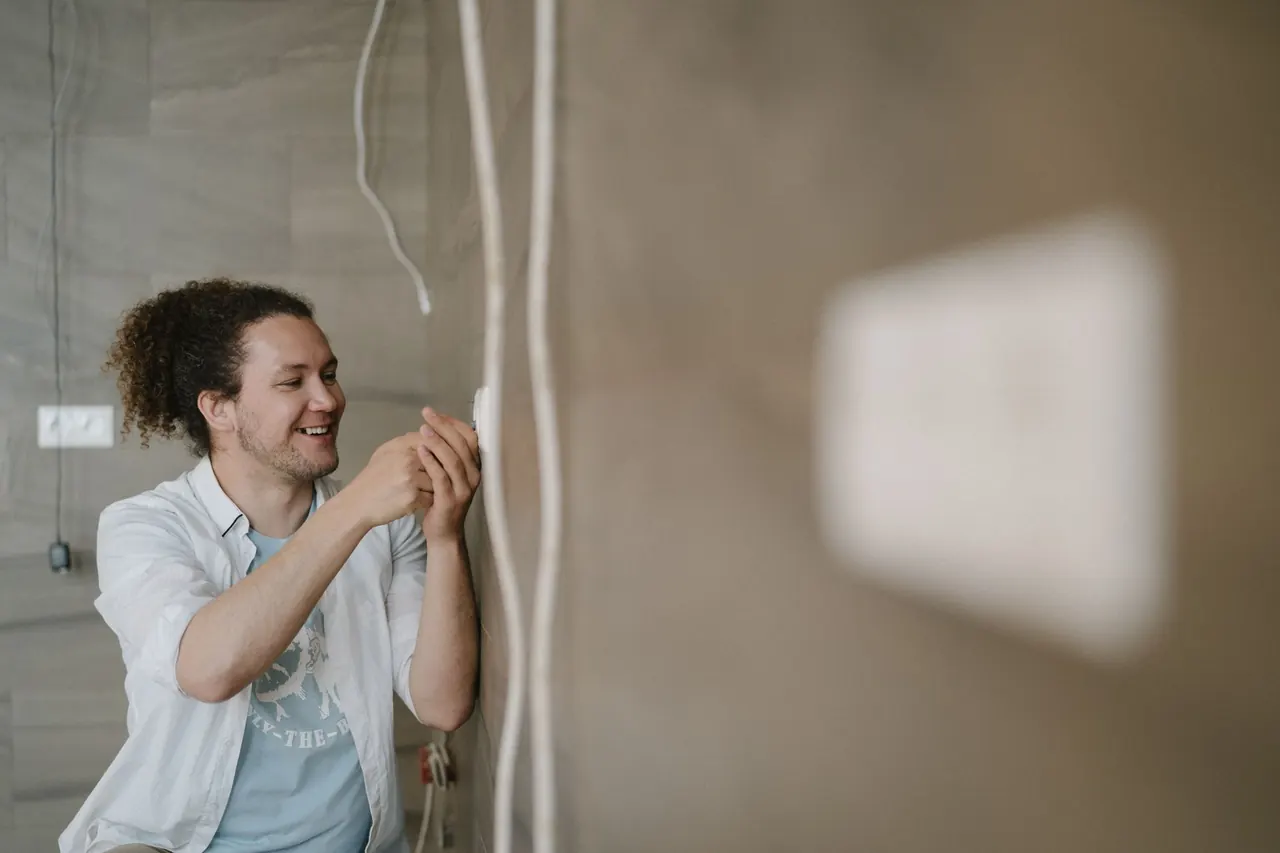
We pull the blower door, inspect the burners, and run a full ignition sequence test with a multimeter and combustion analyzer. You get a clear explanation of what failed and why, in plain language.
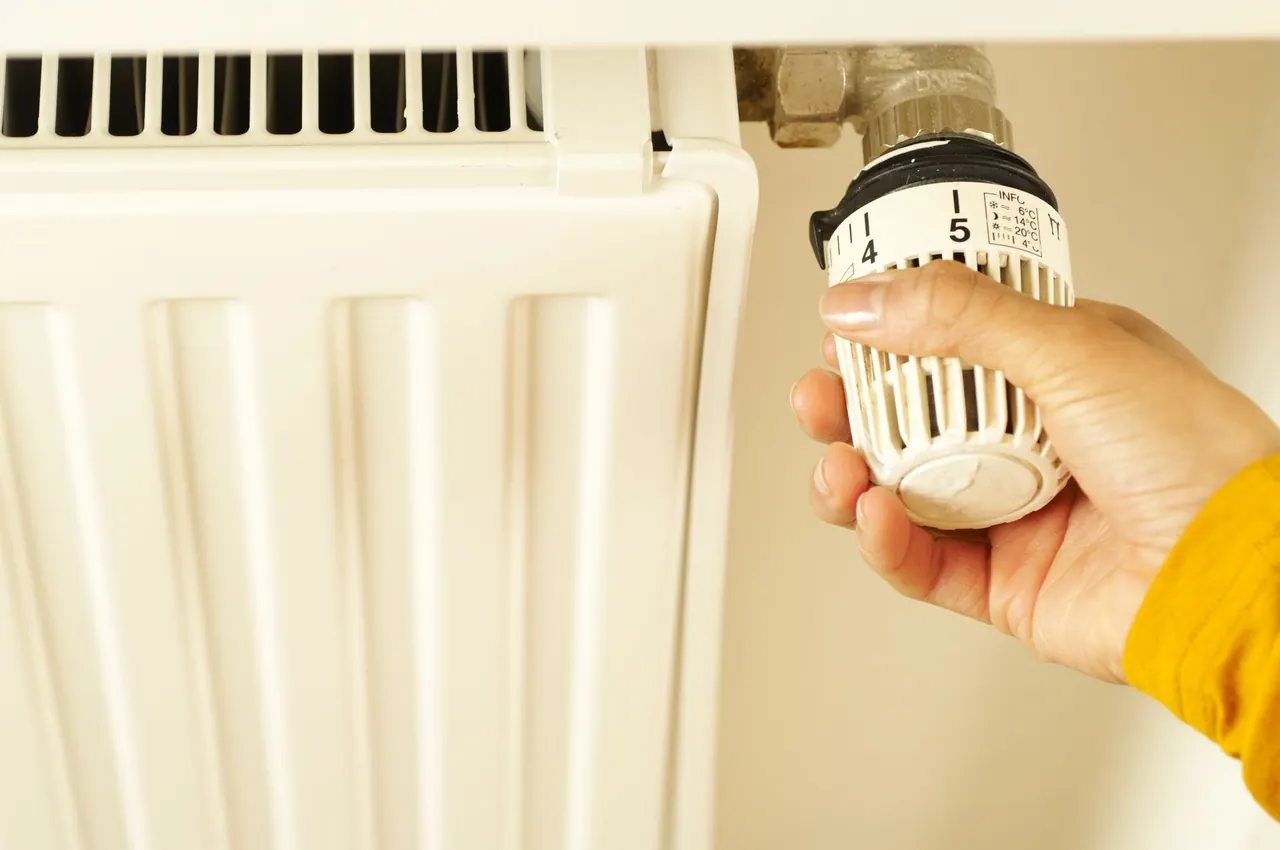
We quote the repair flat-rate before any work starts. If it's a thermocouple, igniter, or flame sensor, most repairs take 30 to 60 minutes. If it's a gas valve, control board, or inducer motor, we tell you the timeline and whether we have the part on the truck.
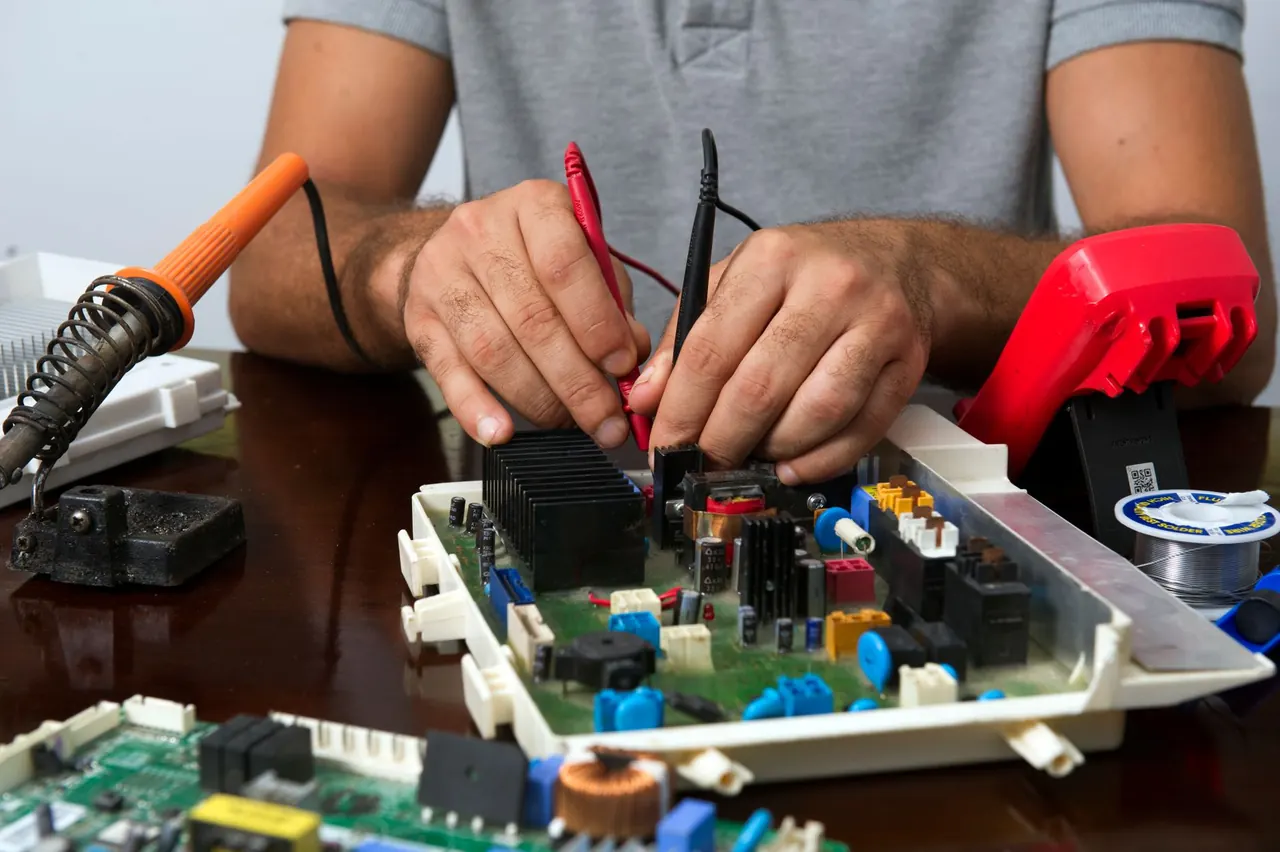
We make the repair, then run the furnace through a full heat cycle. That means verifying ignition, checking temperature rise at the supply and return, testing the limit switch, and confirming the blower motor amps are within spec. We don't leave until the system holds.
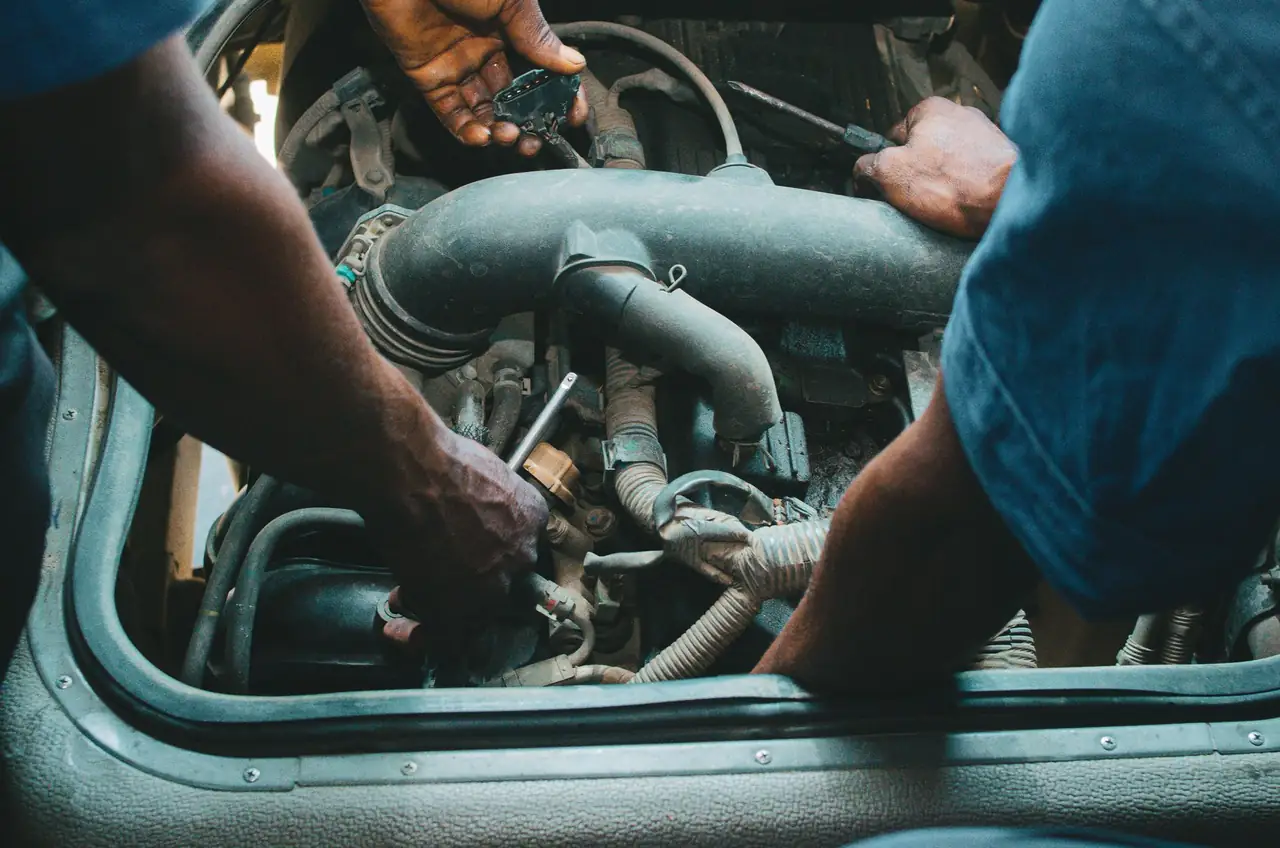
Before we pack up, we show you what failed, what we replaced, and how to keep it running. We check your air filter and thermostat settings, and we note anything that could cause a callback. You get a written summary of the work and the parts used.
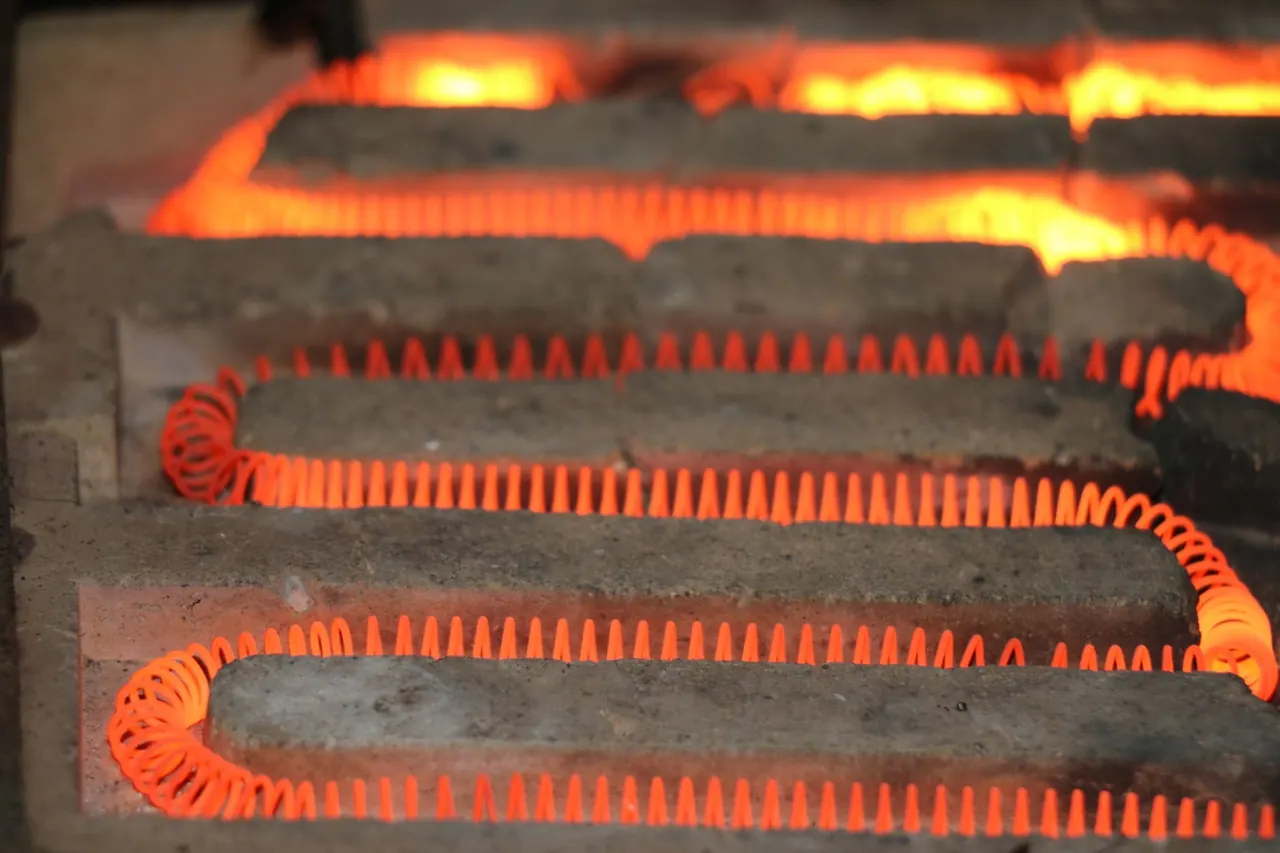
Move across a circle, or focus it and press Enter, for an illustrative thermal view of the photograph.
Measures carbon monoxide, oxygen, and flue temperature to verify the furnace is burning clean and safe.
Sniffs out leaks at the gas valve, manifold, and supply connections before they become a hazard.
Tests voltage, continuity, and amp draw on the control board, blower motor, and ignition components.
Checks inlet and outlet gas pressure to confirm the valve is delivering the right pressure to the burners.
Verifies millivolt output on standing-pilot systems and microamp readings on flame sensors.
Thermal views are illustrative, generated from the photographs.
Checks capacitor microfarads to confirm whether a failing capacitor is causing blower or inducer motor issues.
Measures airflow at registers to diagnose uneven heating and ductwork restrictions.
We follow the call for heat from thermostat to gas valve, testing each component in order. This method finds the exact point of failure instead of replacing parts until something works.
We drill a test port in the flue and sample the exhaust with a combustion analyzer. Readings tell us whether the furnace is running rich, lean, or clean, and whether the heat exchanger is leaking.
We measure supply and return air temperatures and compare the difference to the furnace's rating plate. Too high means restricted airflow; too low means a burner or gas pressure problem.
We measure pressure drop across the filter, blower, and coil to find airflow restrictions. This is how we diagnose uneven heating and short cycling that isn't caused by a failed part.
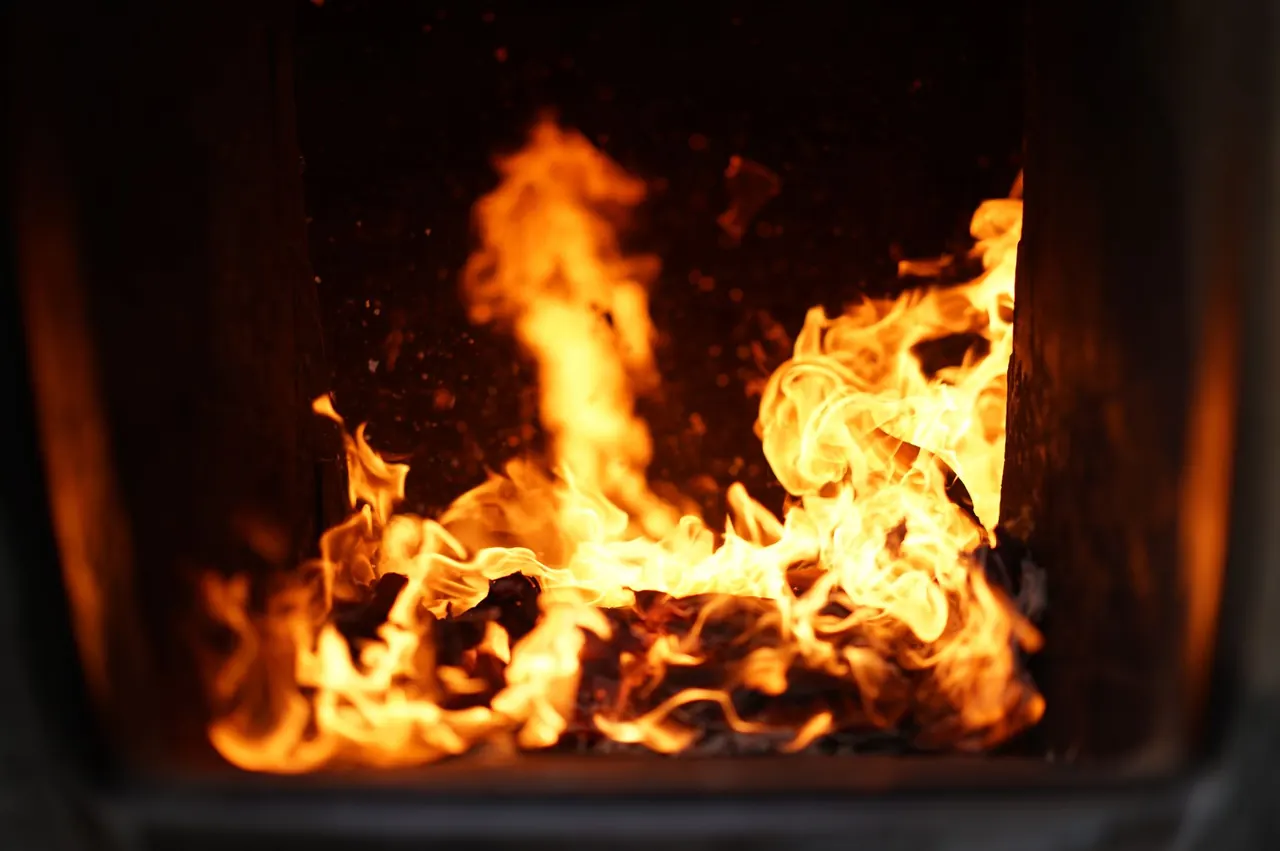
Furnace quits on a sub-zero night in North Pocatello and the house is dropping fast.
We treat it as an emergency. A tech is dispatched immediately with common parts for Lennox, Carrier, and Goodman furnaces. We diagnose, quote the repair, and get heat back the same night whenever possible.
Outcome: Heat restored within hours, pipes protected, and a clear explanation of what failed so you know what to watch for next winter.
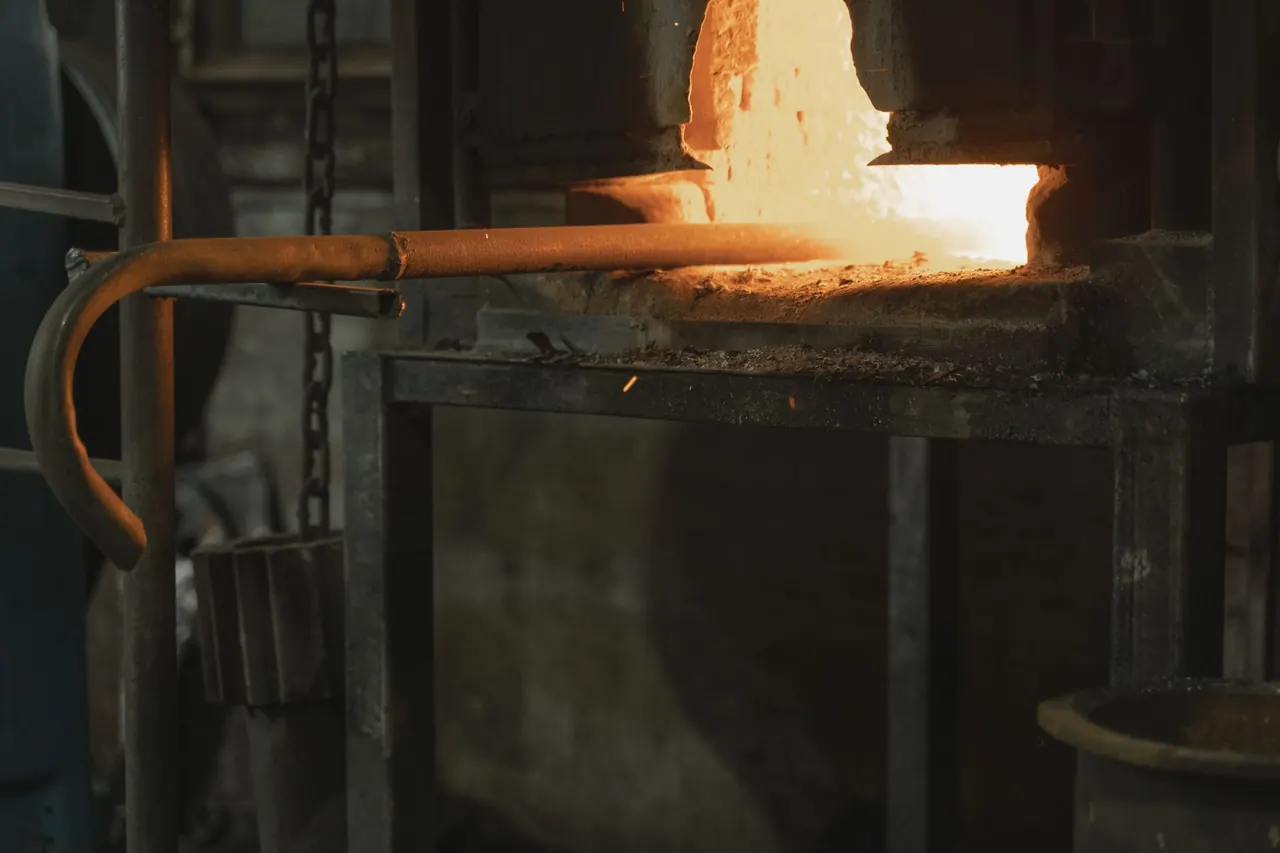
Your furnace runs but the house never gets warm, and some rooms stay cold.
We measure temperature rise and static pressure to find the airflow problem. It could be a dirty filter, a failing blower motor, or ductwork issues. We fix the root cause, not just the symptom.
Outcome: Even heating across the house and a furnace that runs shorter, more efficient cycles.
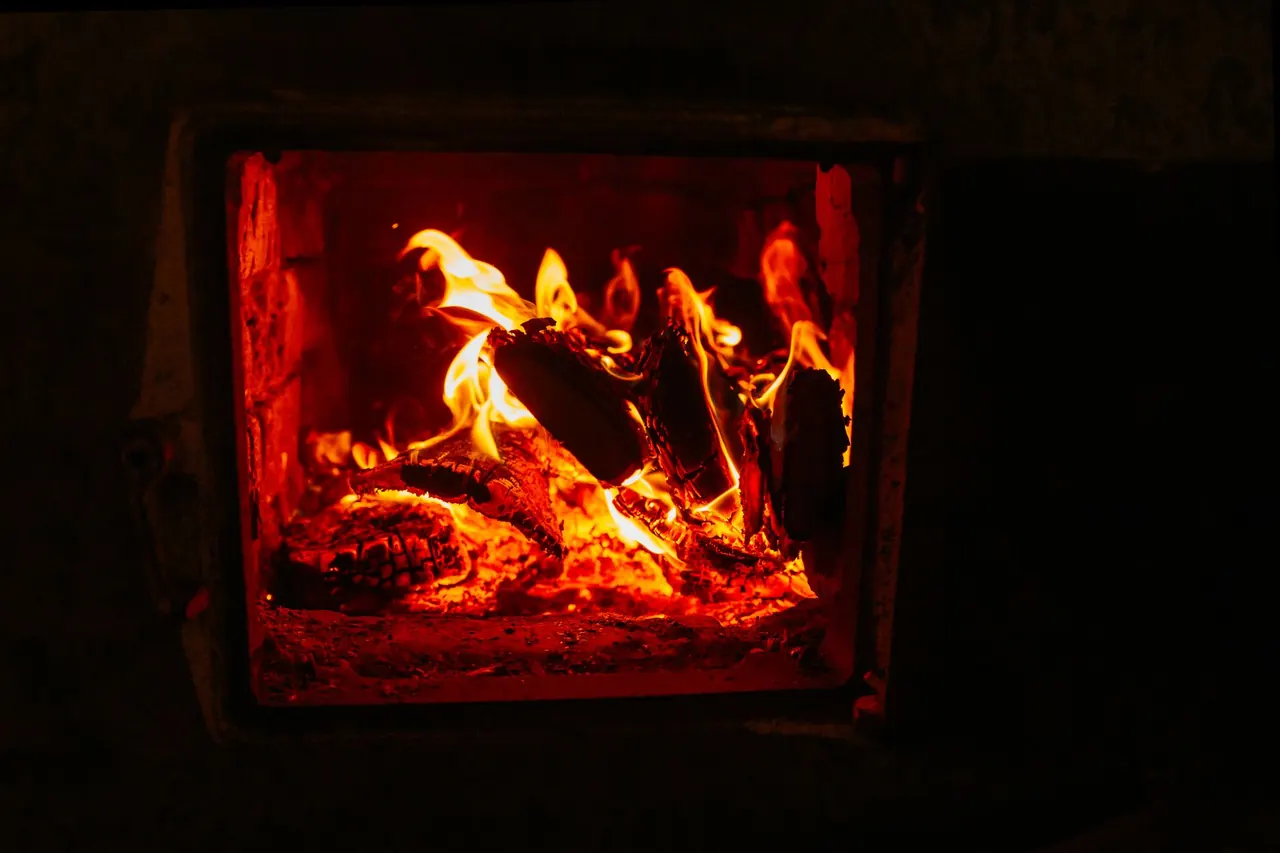
You smell gas near the furnace in your Old Town Pocatello home.
We treat gas smells as a safety call. We shut the gas off, sweep with a gas leak detector, and find the source. If it's a failed gas valve or a leaking manifold connection, we repair it before restoring service.
Outcome: A safe, leak-free furnace and peace of mind that the gas side of your system has been tested.
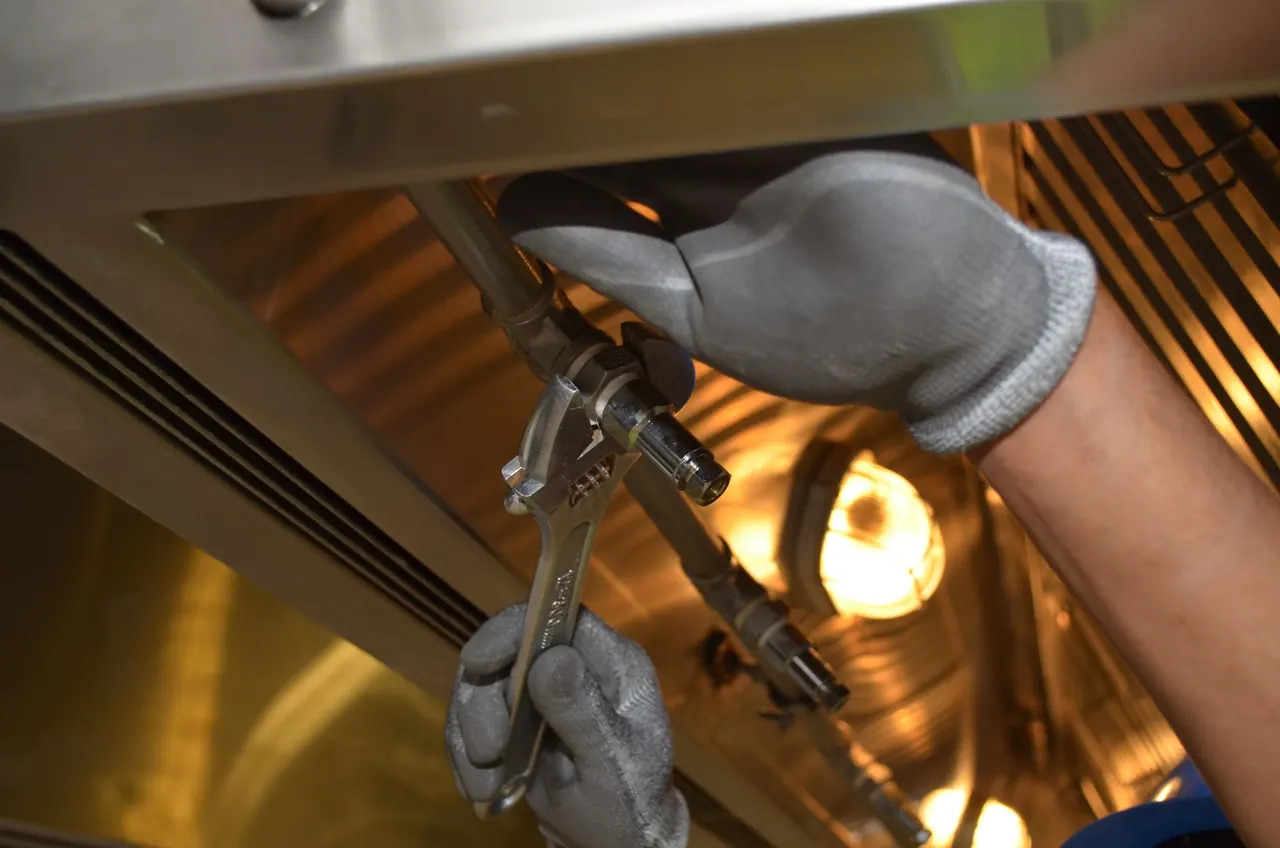
Your furnace is 18 years old, short cycling, and you're not sure whether to repair or replace.
We run a full diagnostic, check the heat exchanger, and give you honest numbers. If the heat exchanger is cracked, we'll tell you replacement is the safer call.
Outcome: A clear decision based on real data, not a sales pitch.
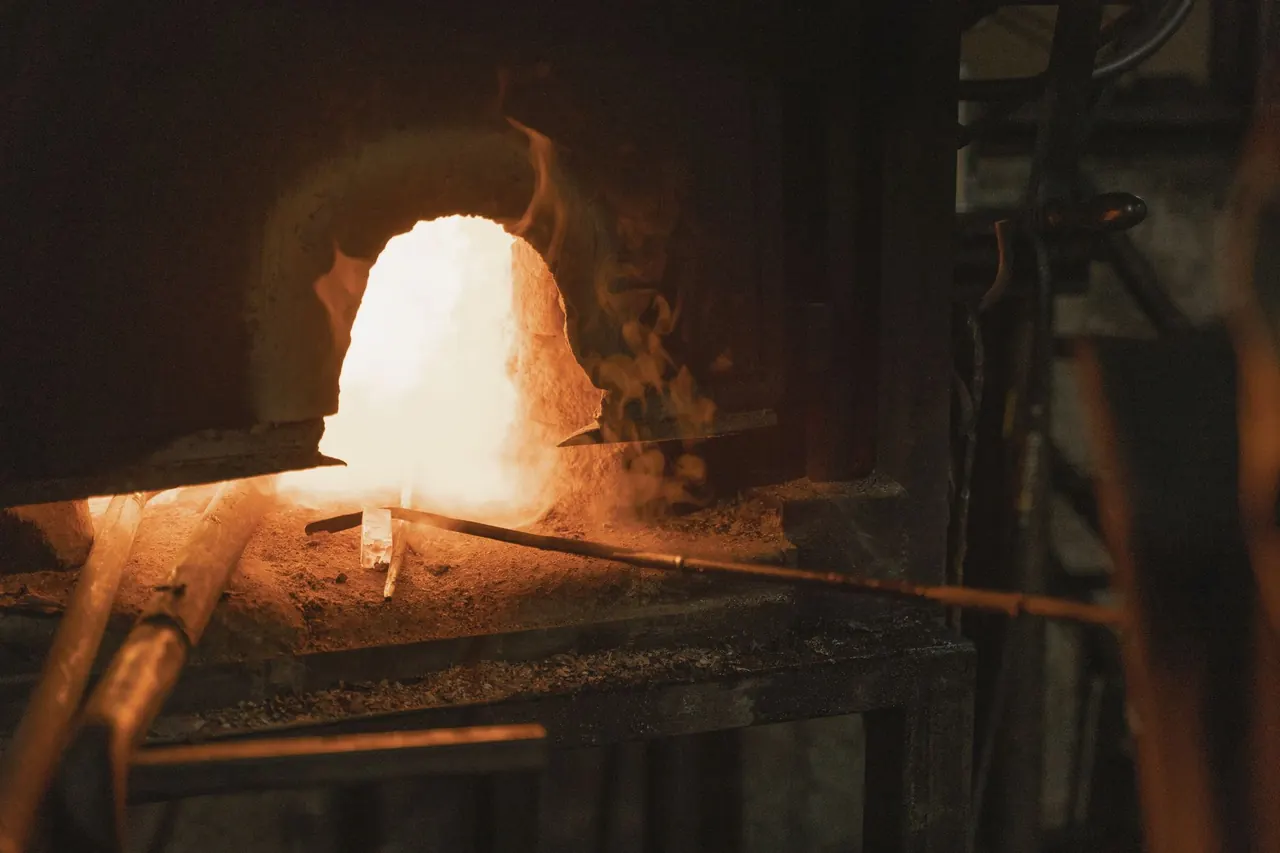
You're a landlord in Chubbuck with a tenant calling about no heat on a Sunday.
We handle rental properties regularly. We coordinate with the tenant, diagnose the issue, and get approval from you before making the repair. Same-day service on weekends whenever we can.
Outcome: A happy tenant, a protected property, and a repair invoice you can write off.
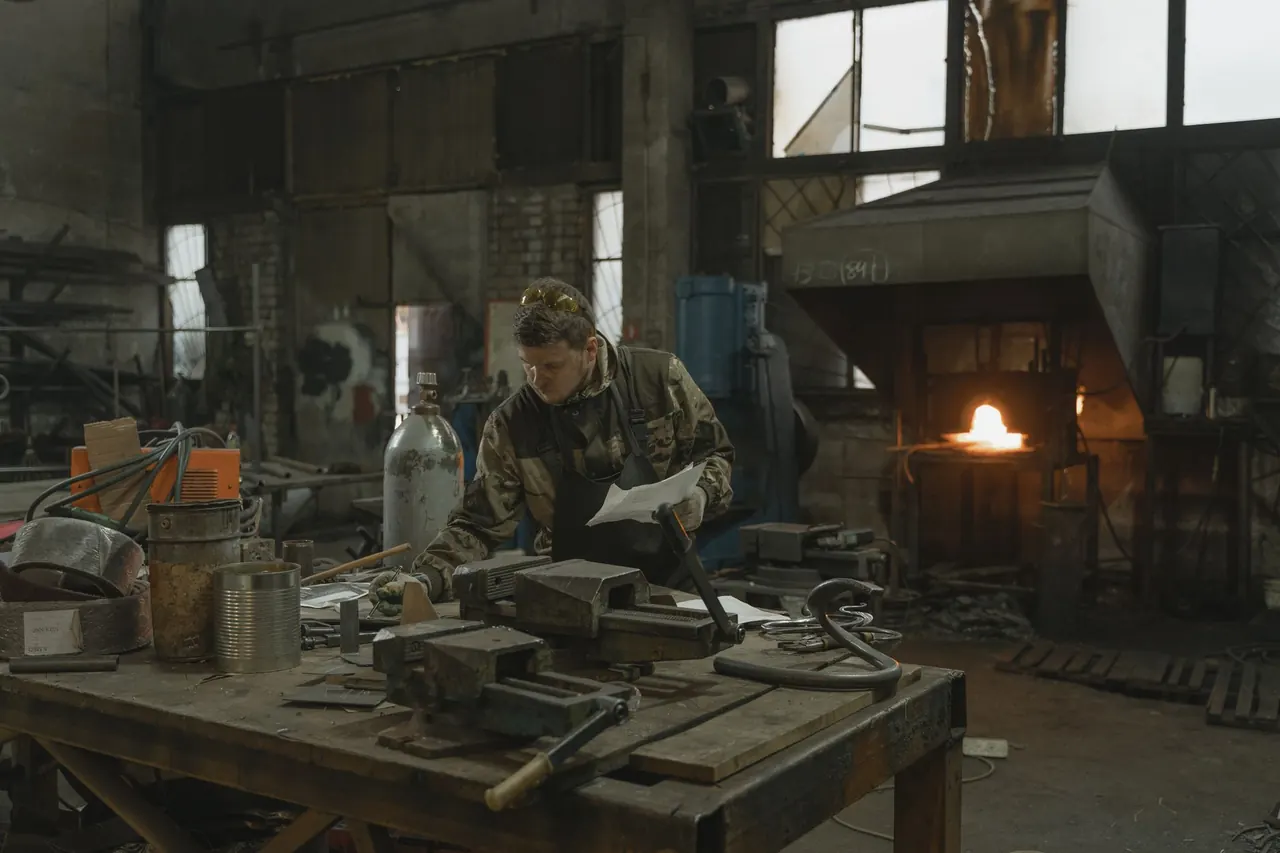
Pocatello's climate is hard on furnaces. Design temperatures sit near 5 degrees, and homes run their systems from October through April. That long heating season wears out igniters, flame sensors, and blower motor capacitors faster than in milder parts of Idaho.
Older homes in Old Town Pocatello and Downtown Pocatello often have original ductwork and standing-pilot furnaces that need thermocouple and pilot assembly service. Newer builds in Highland Area and Pocatello Heights tend to have high-efficiency Carrier, Trane, and Lennox units with sealed combustion and more complex control boards. We see it all.
We also know the local code requirements for venting and gas piping, and we pull permits when the job calls for it.
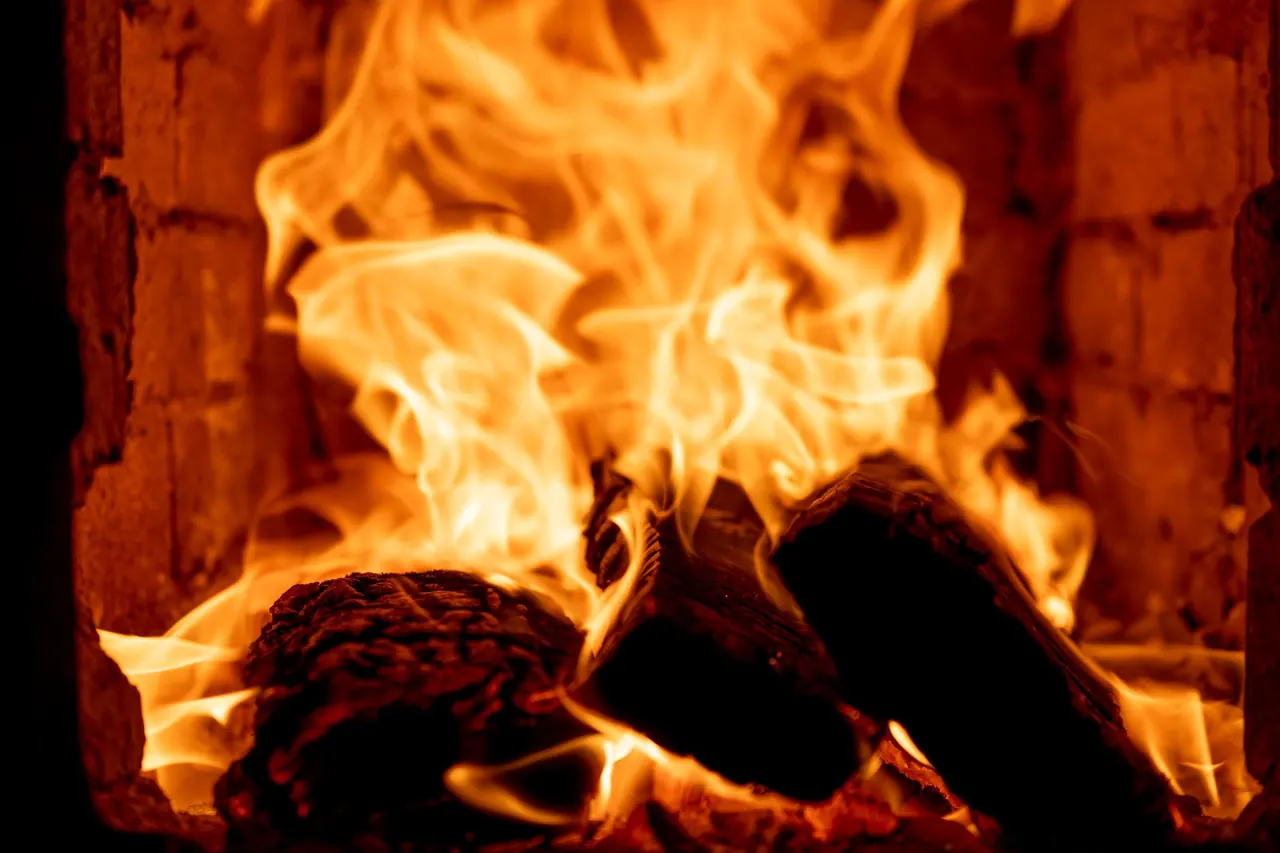
Before: A homeowner in Highland Area called at 7 a.m. after their Carrier furnace quit overnight. The house was at 52 degrees. The furnace would click but not ignite.
After: We diagnosed a failed igniter and a dirty flame sensor. Replaced the igniter, cleaned the sensor, and verified ignition. Heat was back by 9:30 a.m. Temperature rise checked at 45 degrees, within spec.
We recommended an annual fall tune-up and a fresh filter. The homeowner signed up for a maintenance plan to avoid another mid-winter failure.
Before: A 20-year-old Goodman furnace in Old Town Pocatello was short cycling every three minutes.
After: We found a clogged air filter and a failing limit switch. Replaced the switch, changed the filter, and tested the furnace through five full cycles. The furnace is still running strong.
We set a reminder for filter changes every 90 days and recommended a combustion analysis at the next tune-up.
Before: A property manager in Chubbuck called after a tenant smelled gas near the furnace. The furnace was a Rheem unit with a suspected gas valve leak.
After: We shut the gas off, swept with a gas leak detector, and confirmed a leaking gas valve. Replaced the valve, tested all connections, and verified zero leaks. The furnace fired clean on the first try.
We recommended an annual safety inspection for all six rental units and set up a service schedule with the property manager.
Most no-heat calls come down to a handful of failed components. Here's what we see most in Pocatello and how we fix it.
A tested repair means reliable heat and fewer mid-winter breakdowns.
Most no-heat calls booked before noon get repaired the same day.
You get the diagnostic findings and a flat repair price before we turn a wrench.
Every visit includes a gas leak detector sweep, combustion analyzer reading, and heat exchanger inspection. We follow OSHA safety compliance and ACCA quality standards because carbon monoxide doesn't give second chances. If we find a cracked heat exchanger, we red-tag the unit and explain your options.
We don't just swap the failed part. We check the capacitor, clean the flame sensor, verify the limit switch, and test the inducer motor under load. That's how you avoid a callback in January when it's 8 degrees and the wind is coming off the Portneuf Gap.
What a written scope covers and what shapes it. Prices are set by the business after the first look.
Included
Depends on
Clear records you can keep and share.
Parts replaced and tests performed
Combustion and temperature rise numbers
Size and recommended change interval
Images of failed parts and repair
Age, repair cost, and heat exchanger condition decide whether to fix or replace.
Better when the furnace is 18+ years old
When the numbers are close
A list like this tells people straight away whether you cover their street. Not listed? Call and ask: it only takes a minute.
Based in Pocatello and covering the places around it. Pick one for local details.
A flame sensor cleaning or thermocouple replacement sits at the low end. A gas valve, control board, or inducer motor replacement pushes toward the top. We quote flat-rate before we start, so you know the number before we pick up a wrench.
The most common causes we find are a dirty flame sensor, failed igniter, tripped limit switch, or a bad thermocouple. In Pocatello's cold, dry winters, flame sensors foul faster and igniters crack from thermal stress. If the furnace runs but blows cold air, the problem is usually in the ignition sequence or the gas valve.
We do. Pocatello Furnace Repair Pros is a local shop working out of Pocatello, ID, serving Bannock County and the surrounding areas.
Gas work is dangerous if you skip the safety checks. We use a gas leak detector on every call, run a combustion analyzer to check carbon monoxide levels, and inspect the heat exchanger for cracks. If we find a cracked heat exchanger or a gas leak, we shut the unit down and explain exactly what needs to happen next.
Other services from the same team.
No heat is not something to wait on. Same-day service across Bannock County.
Call us at (208) 764-8111 or email info@pocatellofurnacerepairpros.com. We answer calls Monday through Friday, 8 a.m. to 6 p.m., and we offer emergency service for no-heat calls. If you need furnace repair in Pocatello, ID, reach out and we will get you scheduled.