For Homes
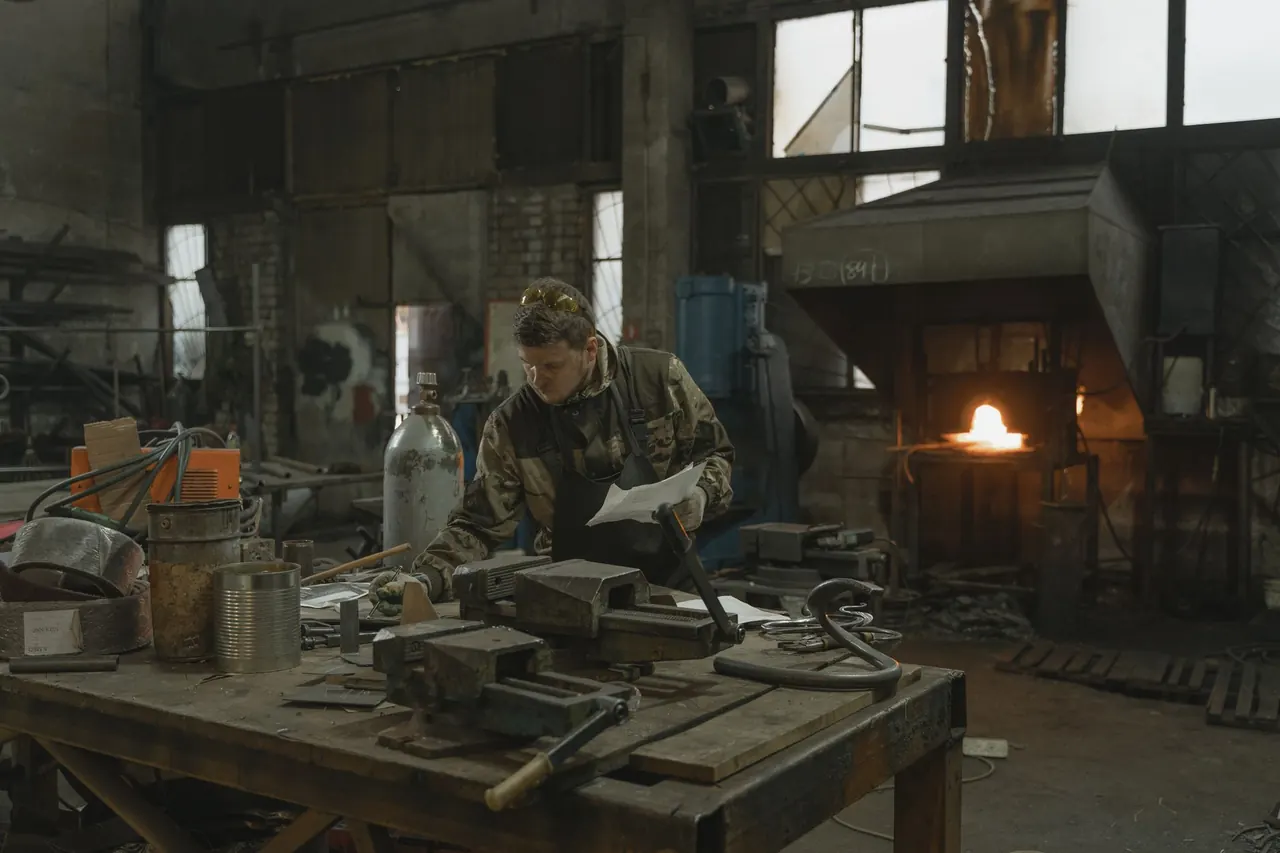
We repair Lennox furnaces in houses, rentals, and townhomes across Pocatello. We check the filter, airflow, and safety controls on every visit.
- No heat overnight
- Cold air from vents
- Furnace short cycling
When your Lennox furnace quits in Pocatello, you need a crew that knows these units inside and out. We handle Lennox Furnace Repair in Pocatello for homeowners and businesses across Bannock County, from failed igniters to cracked heat exchangers. Our techs stock common Lennox parts on every truck, so most repairs finish the same day. Call (208) 764-8111 and we'll get your heat back on.
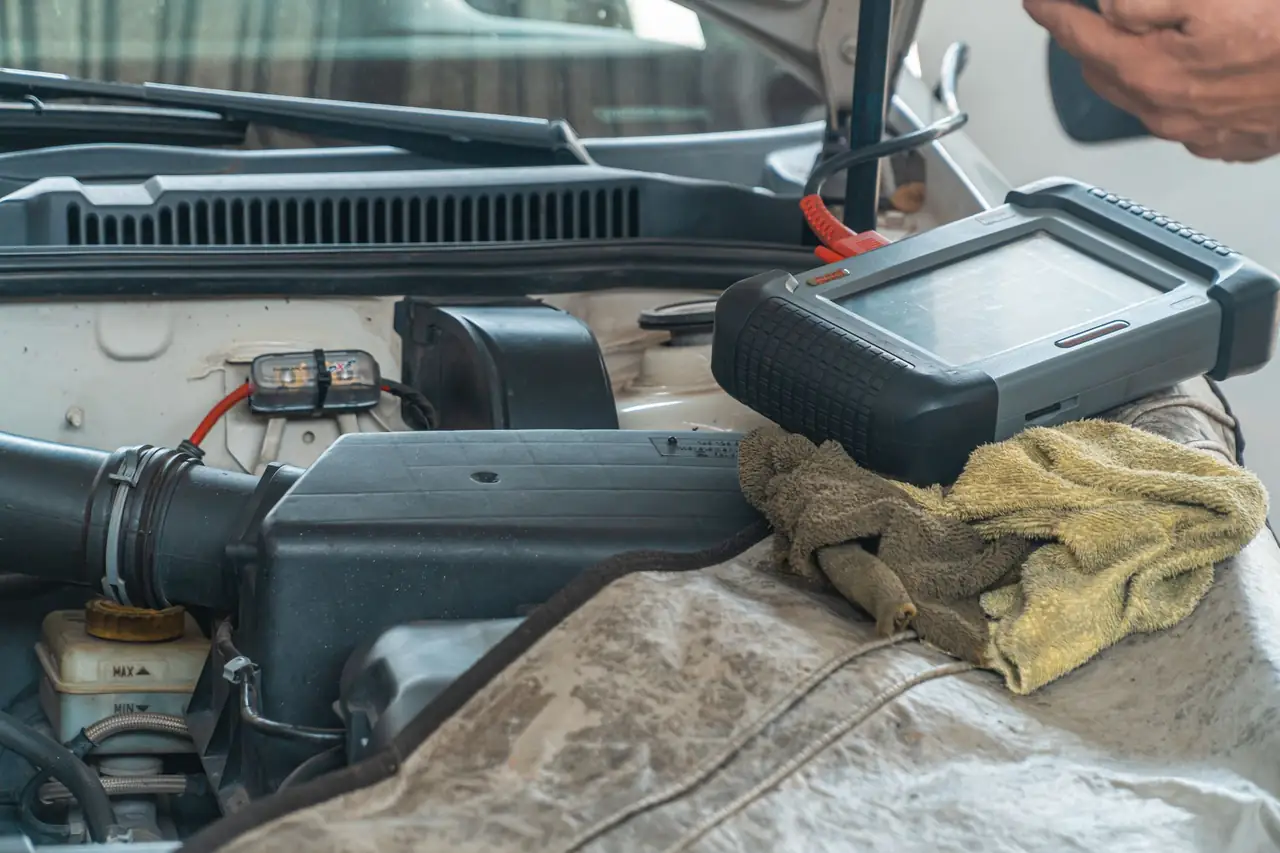 Test igniterCheck flame sensorVerify gas pressure
Every Lennox Furnace Repair in Pocatello starts with a full diagnostic and ends with a tested, running furnace. Here's what's covered in a standard repair visit.
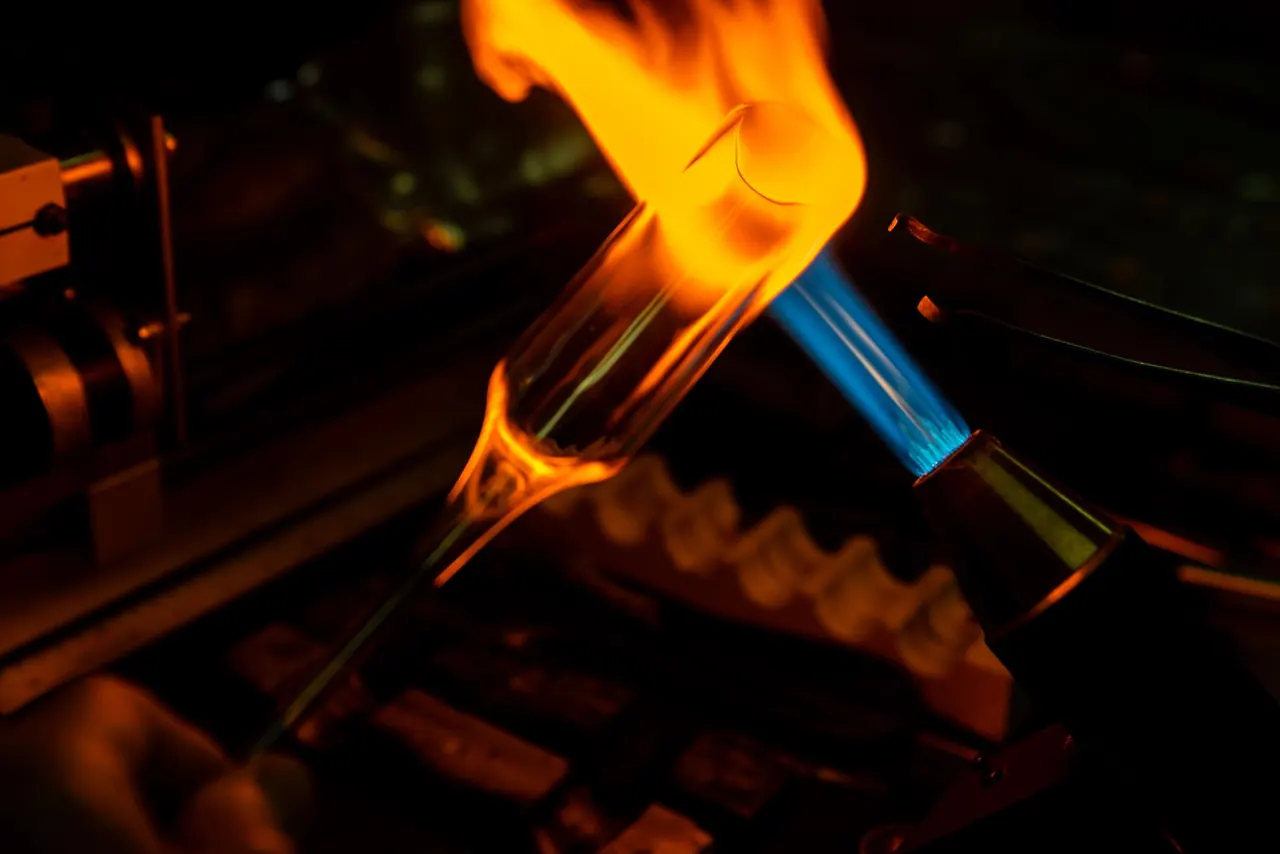
We test the thermostat, inducer motor, igniter, flame sensor, gas valve, blower, and limit switches. A combustion analyzer checks flue gases and a multimeter verifies voltage at each component. This takes 30 to 45 minutes and pinpoints the failure.
We replace the failed component with a new or OEM-spec part. Common repairs include igniters, flame sensors, thermocouples, blower motors, capacitors, and control boards. Most parts are on the truck, so the repair finishes the same visit.
We check the heat exchanger for cracks, test for gas leaks, and verify the flue draft. If we find a carbon monoxide risk, we shut the unit down and explain your options. Safety comes before heat.
After the repair, we measure the temperature rise between supply and return air. It should be within the range on your Lennox data plate. If it's off, we adjust the blower speed or gas pressure to get it right.
A dirty filter causes short cycling and limit switch trips. We check your filter, measure static pressure, and tell you if the ductwork is restricting airflow. We'll replace the filter if you have one on hand.
You get a written record of what failed, what we replaced, and the test readings. We also note anything to watch.
The approach is the same for a home and a business. What changes is the access, the schedule and who needs the paperwork.
We repair Lennox furnaces in houses, rentals, and townhomes across Pocatello. We check the filter, airflow, and safety controls on every visit.
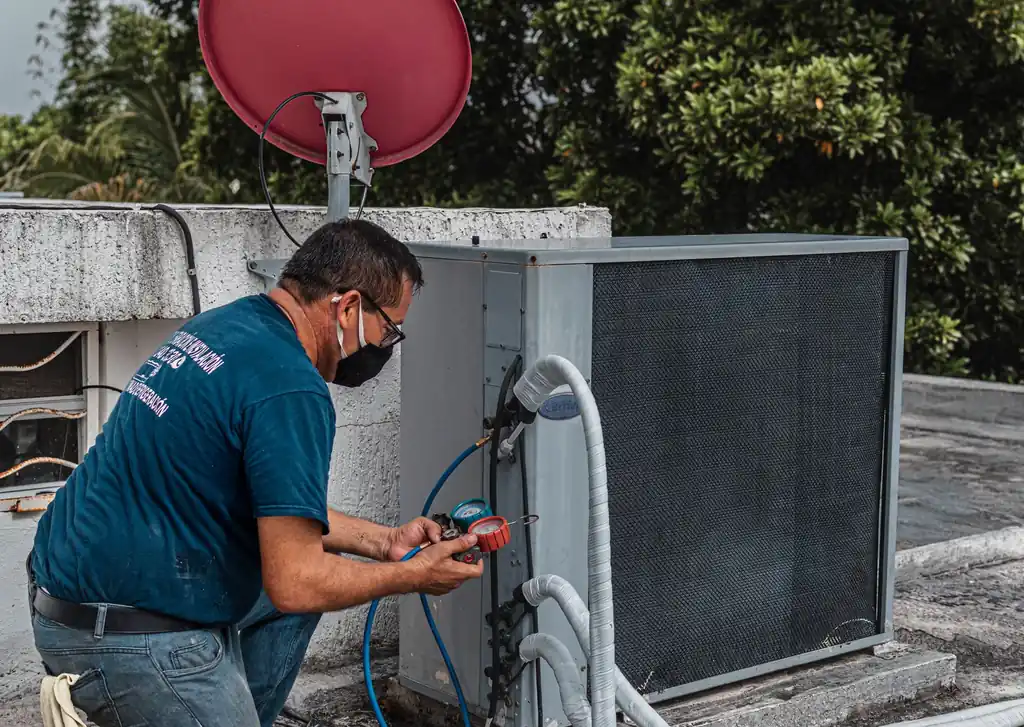
We service Lennox commercial furnaces and rooftop units for Pocatello businesses. We schedule after-hours work to keep your operation running.
A plain-language look at what Lennox Furnace Repair involves and when it is needed.
See how it worksLennox Furnace Repair in Pocatello is the diagnostic and mechanical work needed to get a failed Lennox heating system running again, from the thermostat call for heat through the blower pushing warm air. We test the igniter, flame sensor, gas valve, inducer motor, and control board with a multimeter and combustion analyzer, then replace whatever has failed. Most Lennox units in Pocatello are 10 to 20 years old, so we also inspect the heat exchanger for cracks before we call the job done.
Pocatello winters drop into the single digits, and a furnace that short cycles or blows cold air at 2 a.m. is an emergency. We see a lot of Lennox furnaces in the University Area and Highland Area that haven't been serviced in three or four years. If you're searching for Lennox furnace repair near me Pocatello ID, we run same-day calls across the city and carry the thermocouples, igniters, and blower motor capacitors these units need.
A Lennox furnace that won't light is usually a sensor or igniter, not a dead unit.
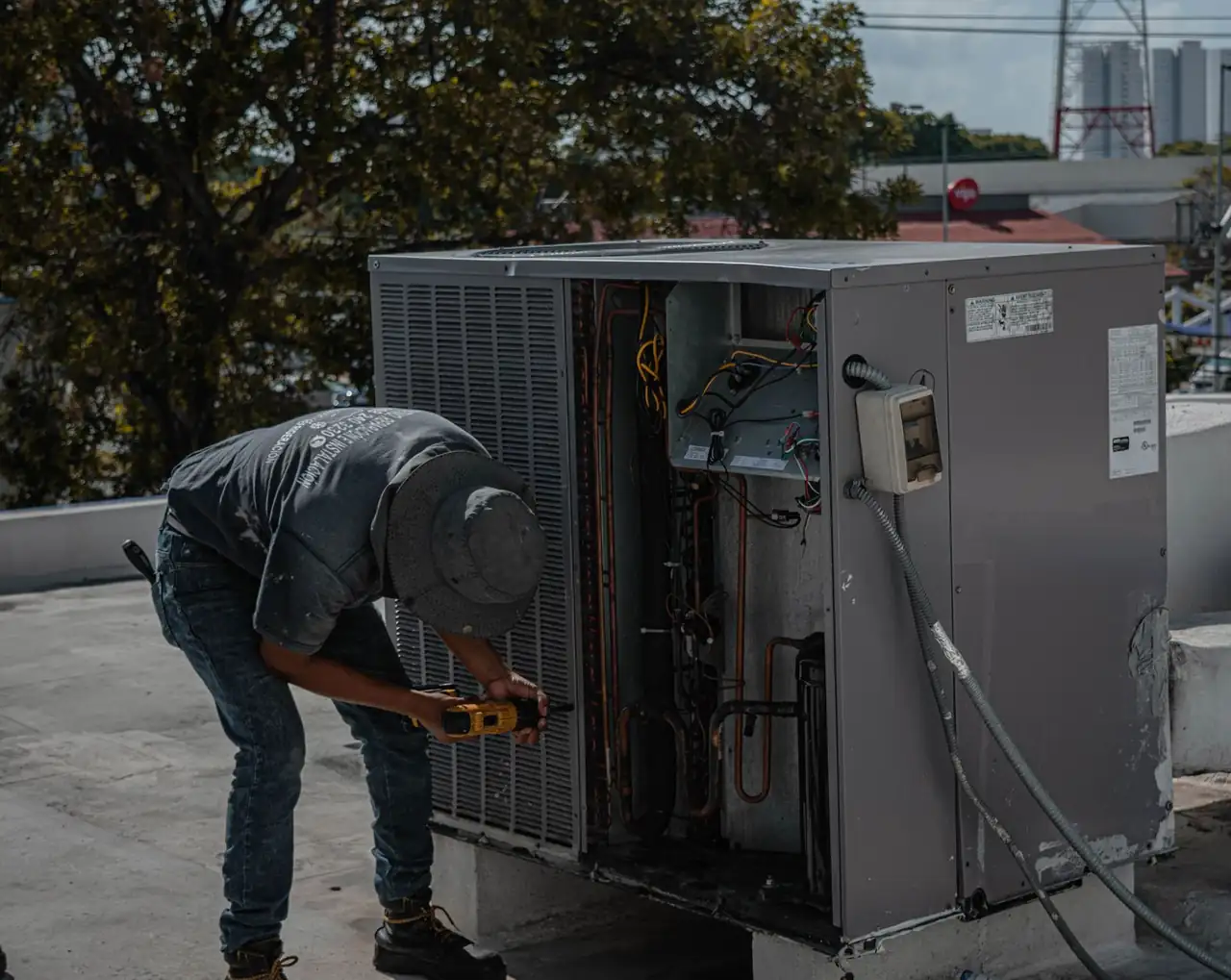
Here's exactly what happens when you call us for Lennox Furnace Repair in Pocatello, from the first phone call to the final test.
We ask what your Lennox furnace is doing: blowing cold air, short cycling, or not turning on at all. That tells us which parts to load and whether this is a same-day call or an after-hours emergency. You get a two-hour arrival window and a text when the tech is on the way.
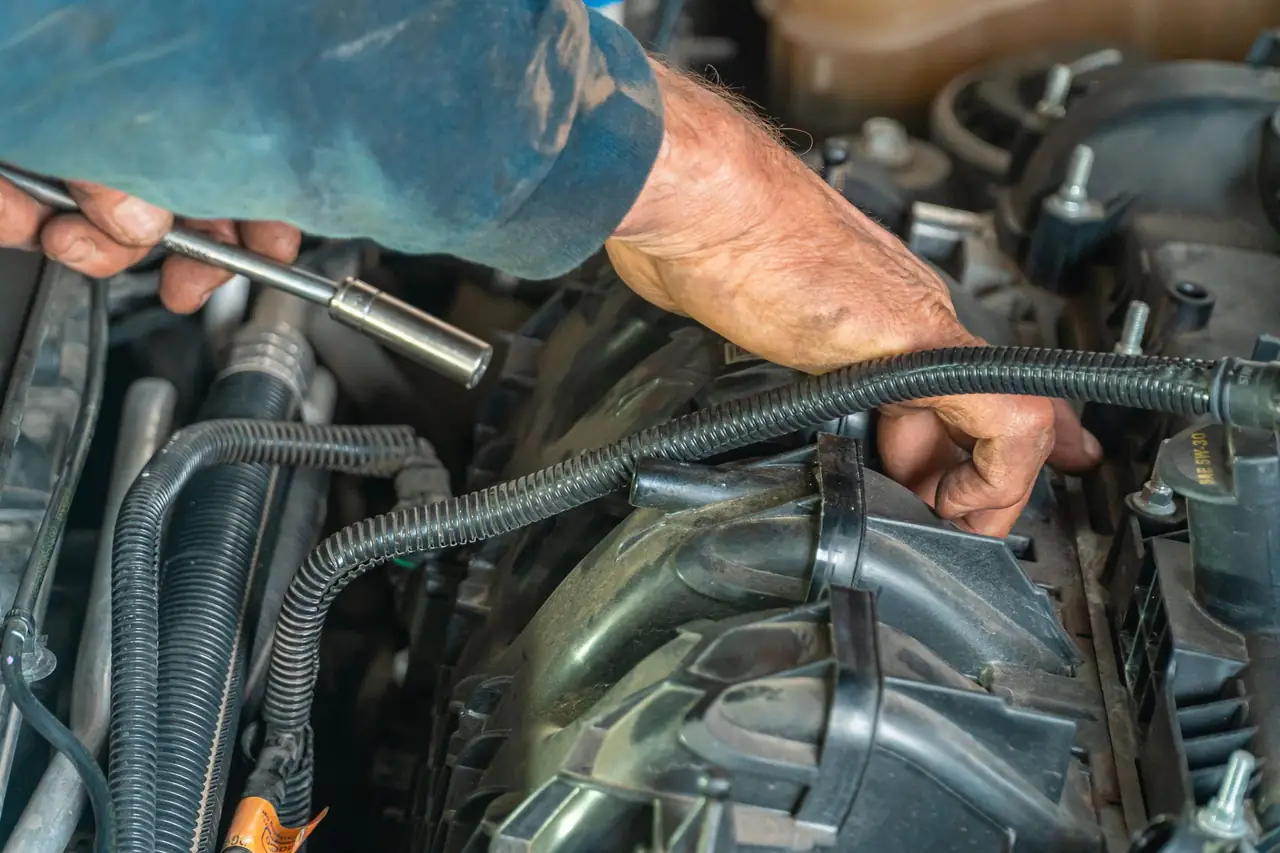
The tech pulls the blower door and runs a full sequence: thermostat call, inducer motor, igniter, flame sensor, gas valve, and blower. We use a multimeter, manometer, and combustion analyzer to check voltage, gas pressure, and flue gases. This takes 30 to 45 minutes and pinpoints the failure.
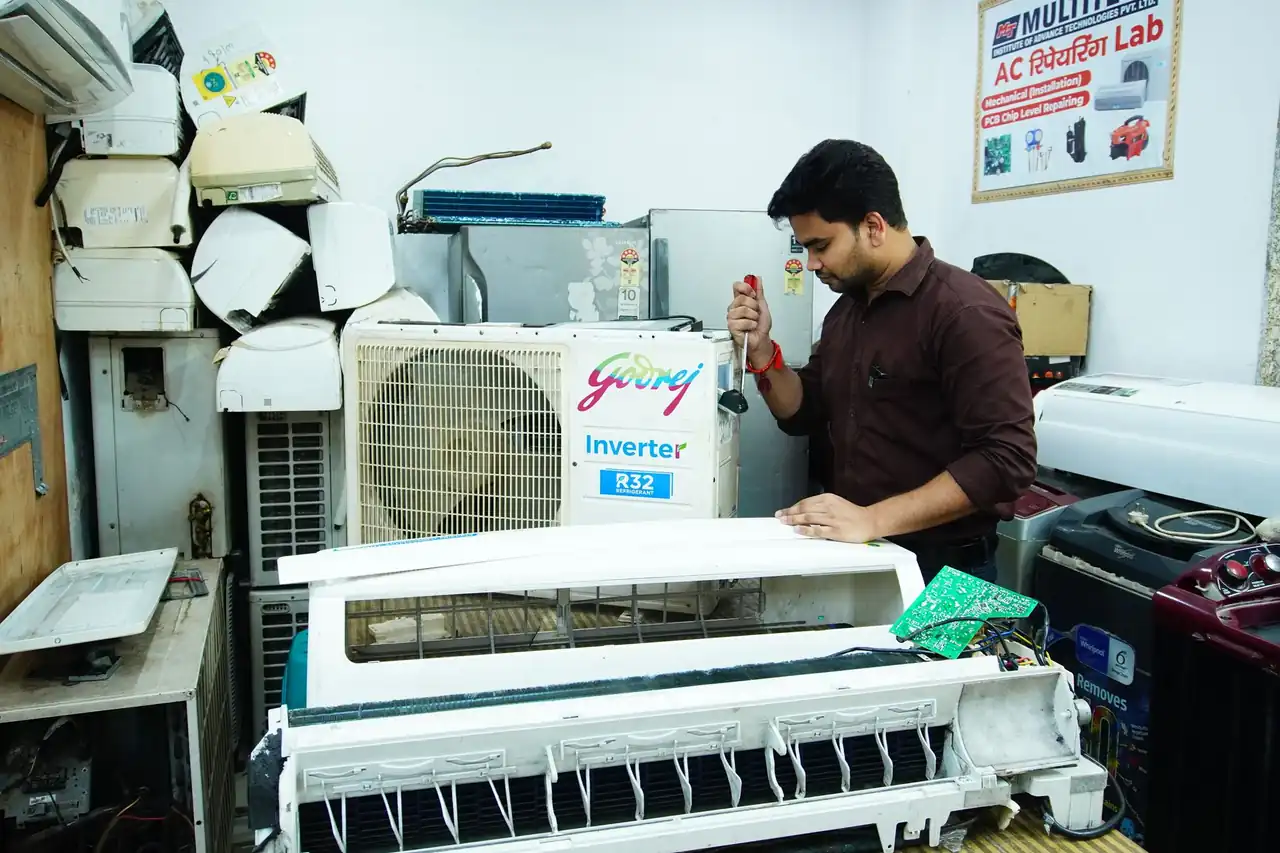
We show you the failed part and explain what it does. You get two prices: repair the existing component or replace it with a new one. You approve the price before we touch a wrench.
We install the new part, then run the furnace through three full heating cycles. We check the temperature rise at the supply and return, verify the flame sensor reading in microamps, and confirm the limit switch isn't tripping. Most repairs take one to two hours once we start.
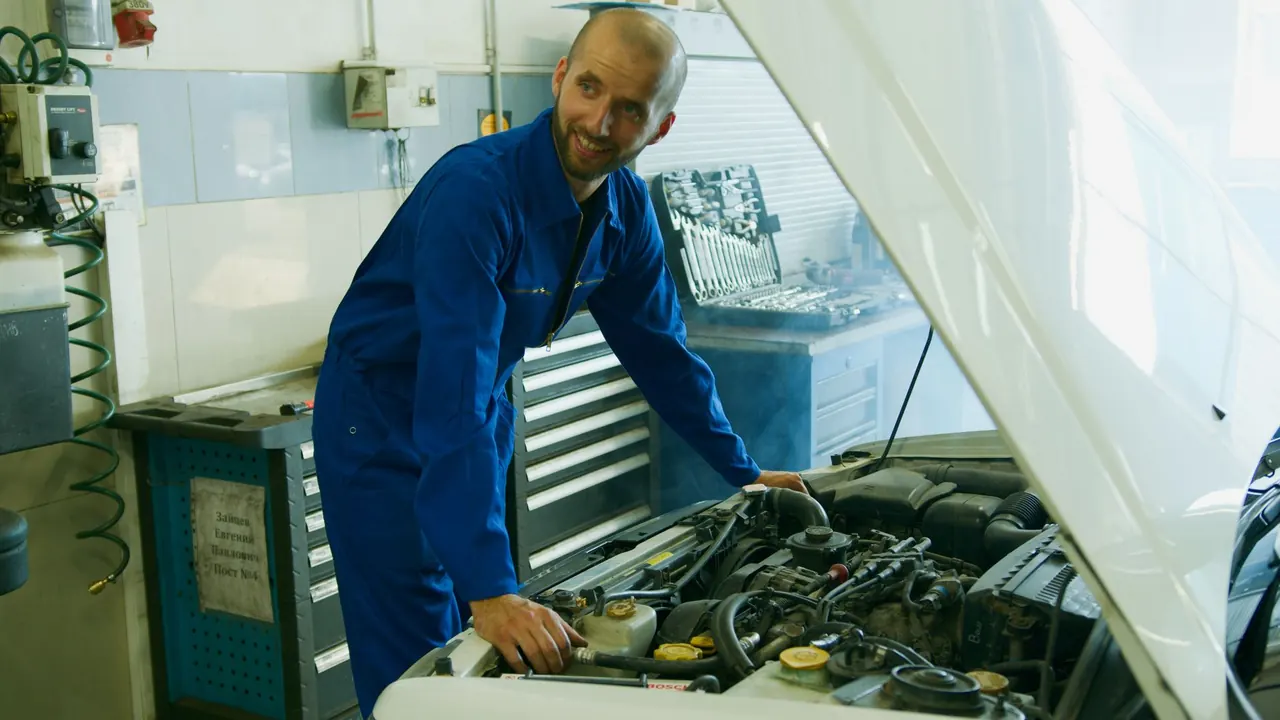
Before we leave, we show you what failed, what we replaced, and how to keep it running. We set the thermostat, check the air filter, and leave you with a written summary. If you want a maintenance plan, we'll schedule a fall tune-up so this doesn't happen again next winter.
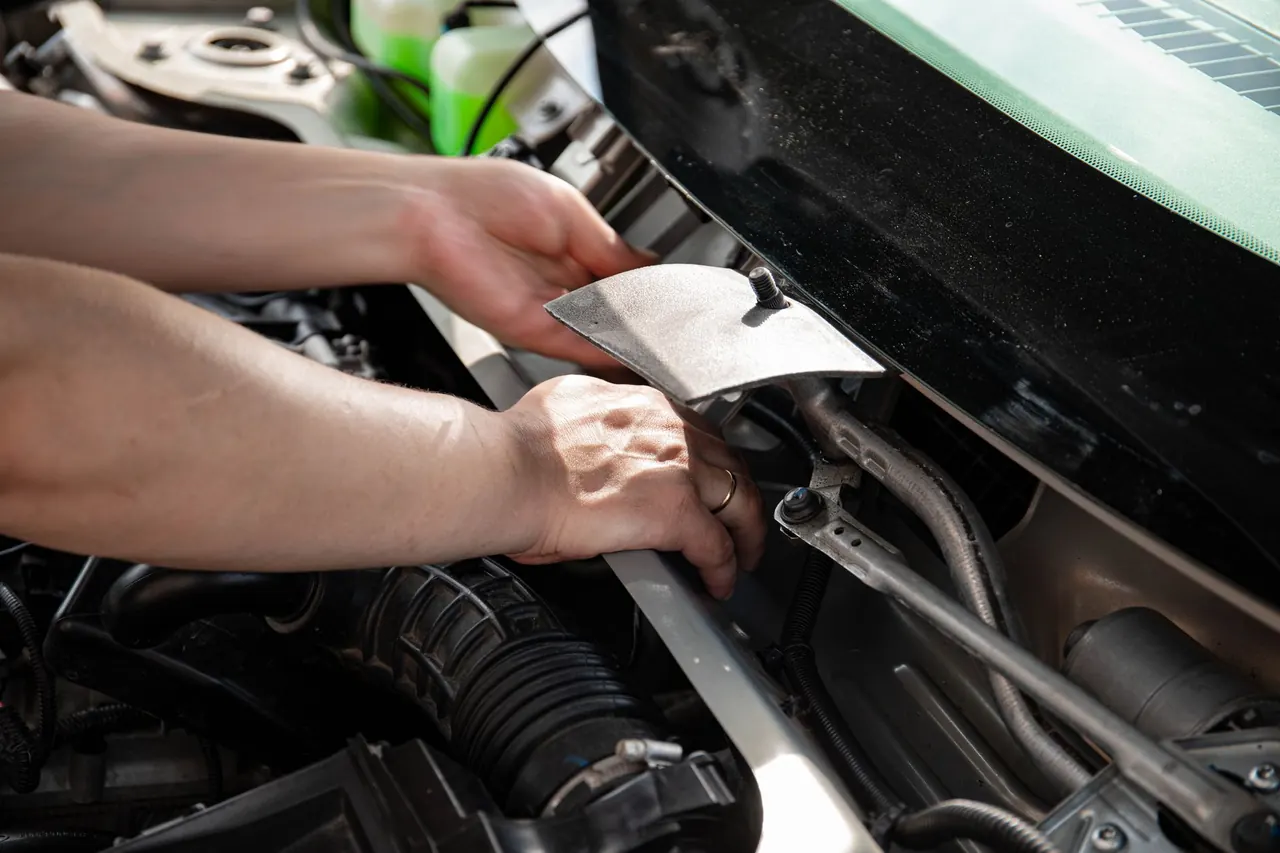
Move across a circle, or focus it and press Enter, for an illustrative thermal view of the photograph.
Checks gas pressure at the valve and manifold to make sure your Lennox furnace is burning at the correct rate.
Tests voltage and continuity at the igniter, flame sensor, gas valve, and control board to isolate the failed component.
Measures flue gases for carbon monoxide and efficiency, and helps confirm a cracked heat exchanger.
Sniffs for gas leaks at the valve, burners, and supply line before we call the job done.
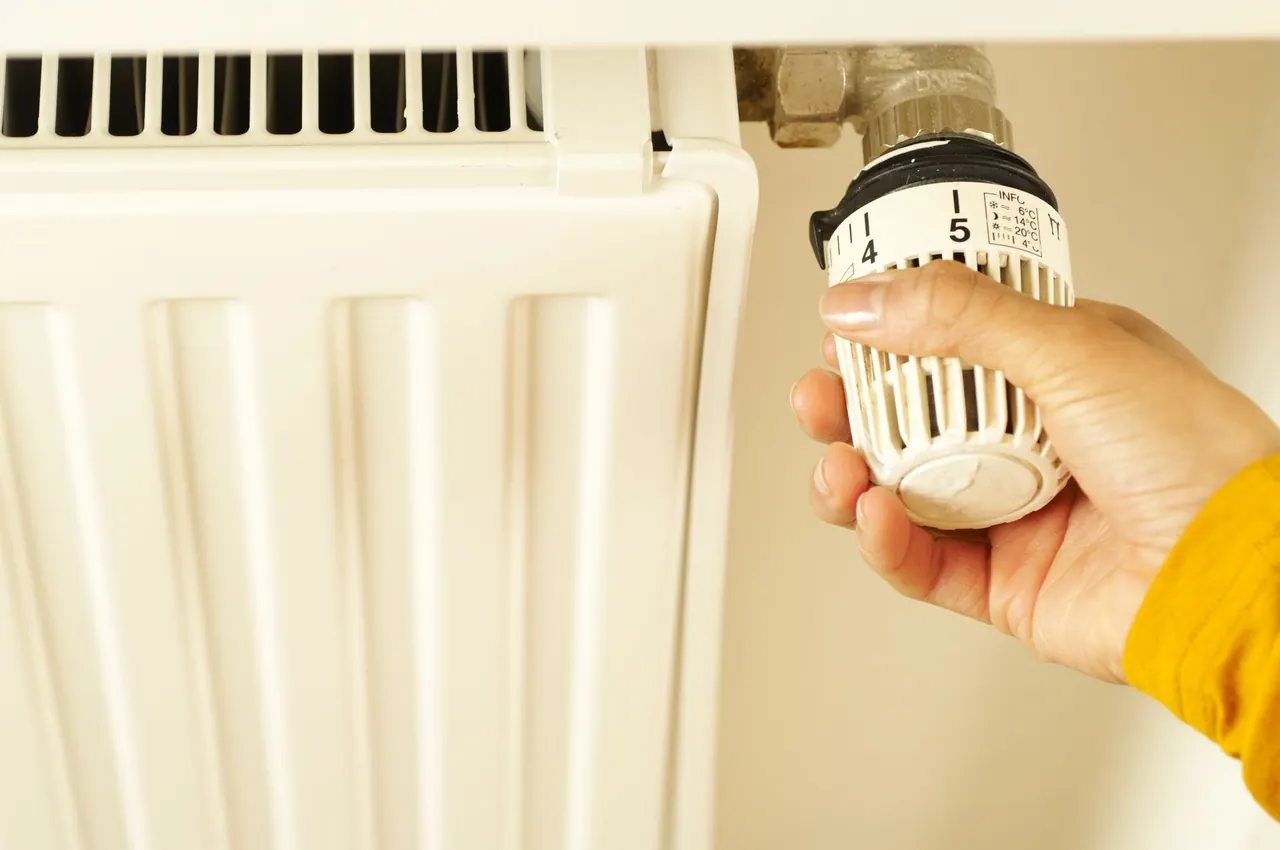
Measures airflow at the supply registers to diagnose uneven heating and blower issues.
Thermal views are illustrative, generated from the photographs.
Reads amp draw on the blower motor and inducer to confirm they're within spec.
Verifies the thermocouple output on older Lennox furnaces with standing pilots.
Our techs follow a standard sequence of operation on every Lennox call: thermostat, inducer, igniter, flame sensor, gas valve, blower. This method finds the root cause instead of guessing at parts.
We follow ACCA protocols for airflow measurement and temperature rise. That means we check static pressure and verify the furnace is within its rated range before we leave.
Any work involving refrigerant or gas-side components follows EPA Section 608 rules. We handle, recover, and document as required.
We test flue gases on every repair to confirm the furnace is burning cleanly and not producing dangerous carbon monoxide levels.
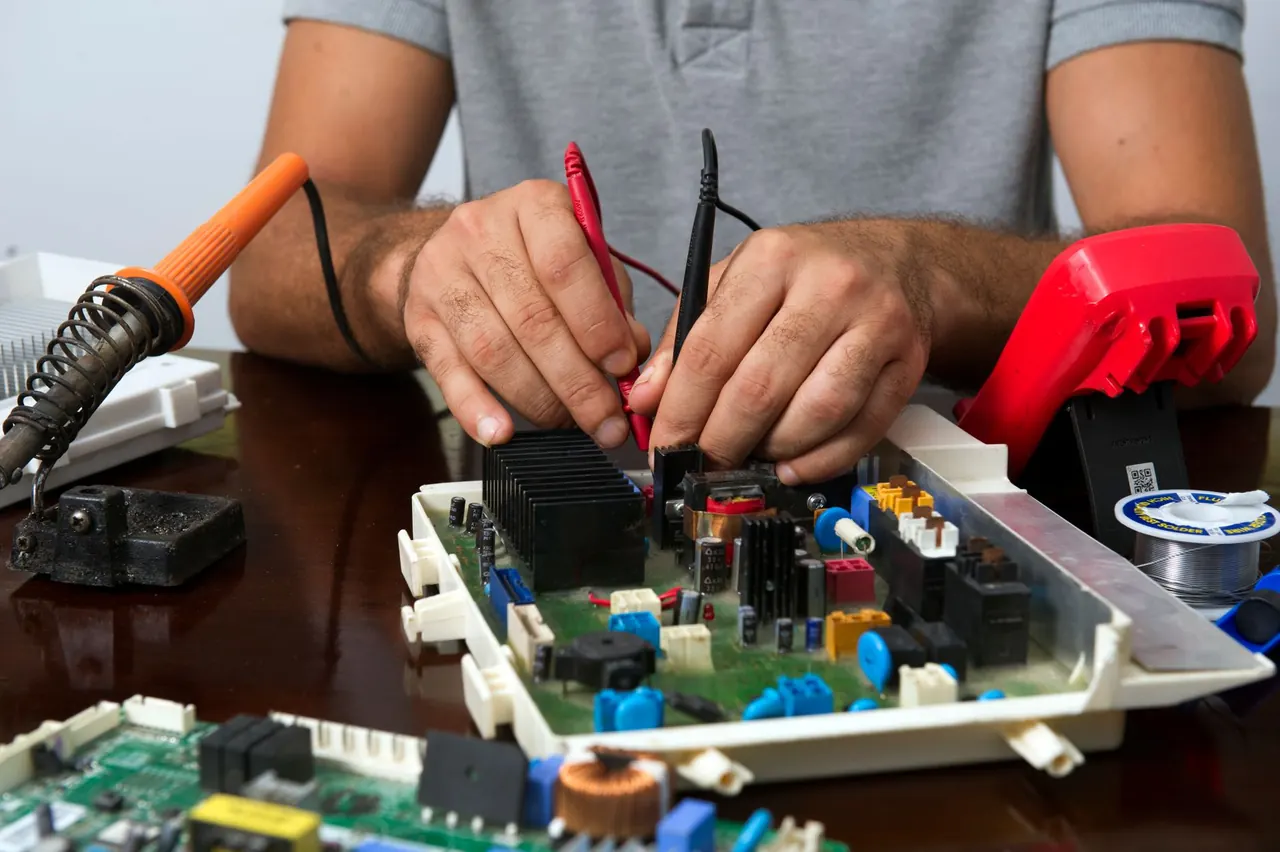
Your Lennox furnace won't turn on during a January cold snap in Pocatello, and the house is dropping below 60 degrees.
We treat this as an emergency and dispatch the nearest tech. We check power, thermostat, door switch, and control board. Most no-heat calls are a failed igniter or flame sensor, which we carry on the truck.
Outcome: Heat restored the same day, usually within two to four hours of your call.
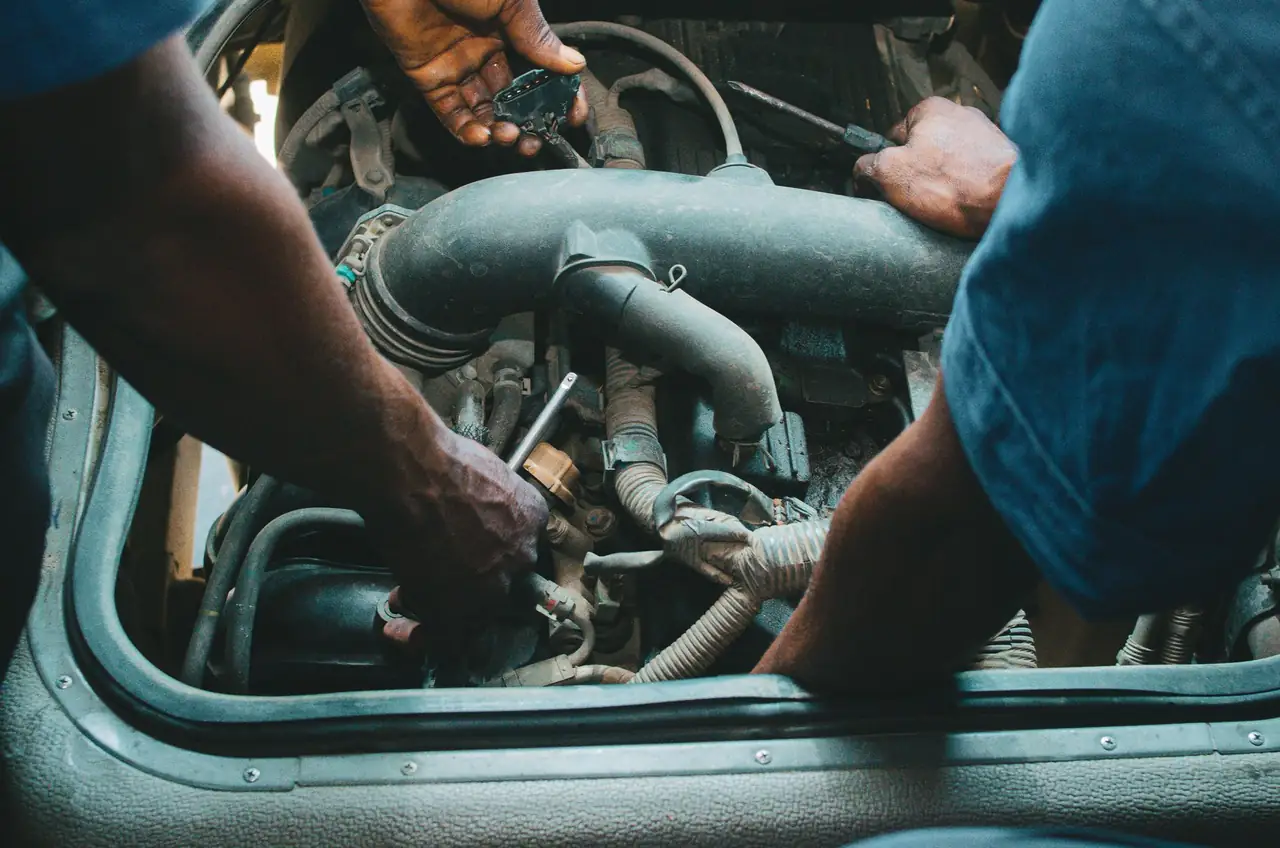
Your furnace runs but blows cold air, and you notice the igniter glows but the burners never light.
That's a classic flame sensor or gas valve failure. We test the sensor's microamp reading and the gas valve voltage. If the sensor is dirty, we clean it; if it's failed, we replace it.
Outcome: Warm air returns, and the furnace runs through a full cycle without shutting down.
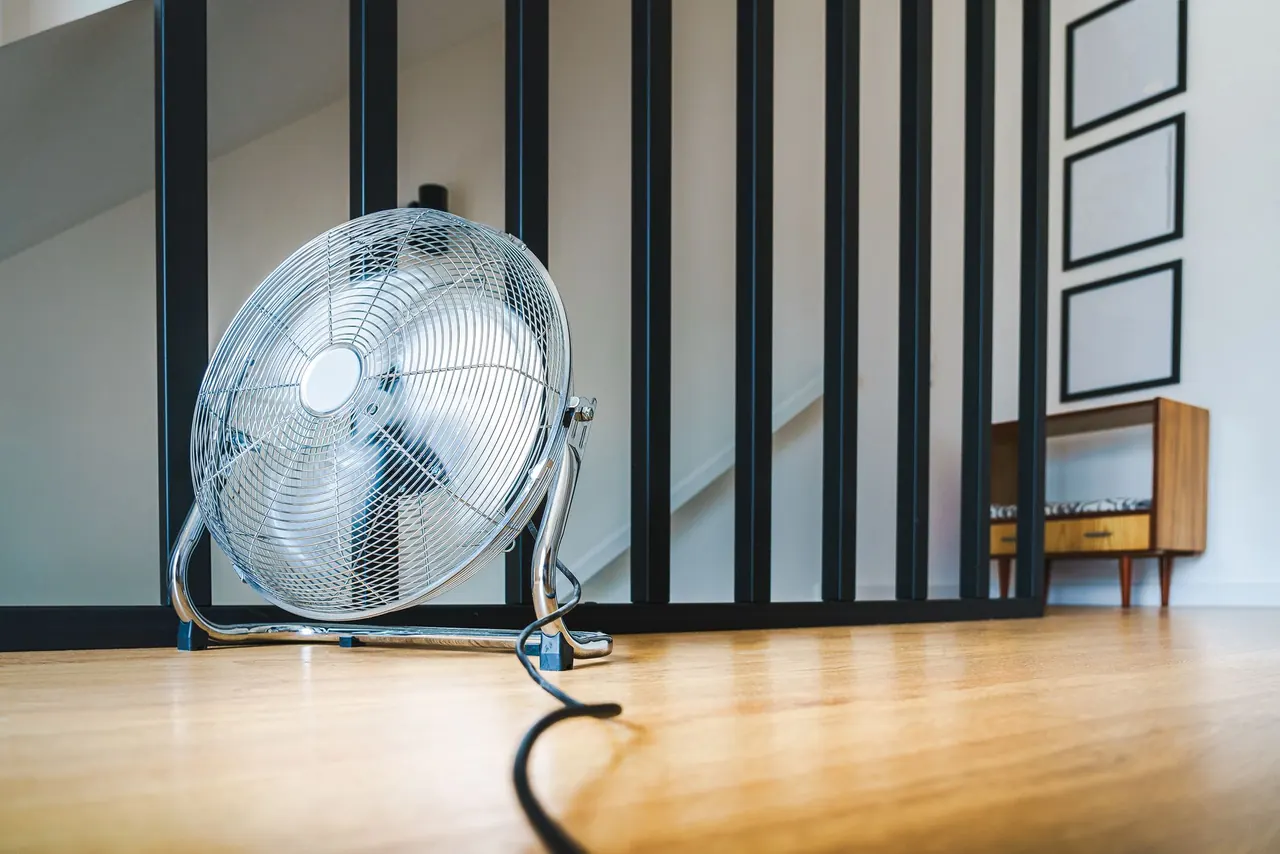
You hear a squealing noise from the furnace every time the blower kicks on, and airflow seems weak.
A squealing blower usually means worn bearings or a failing capacitor. We test the capacitor and motor windings, then replace what's failed. We also check the blower wheel for debris.
Outcome: Quiet operation and strong airflow to every room in the house.
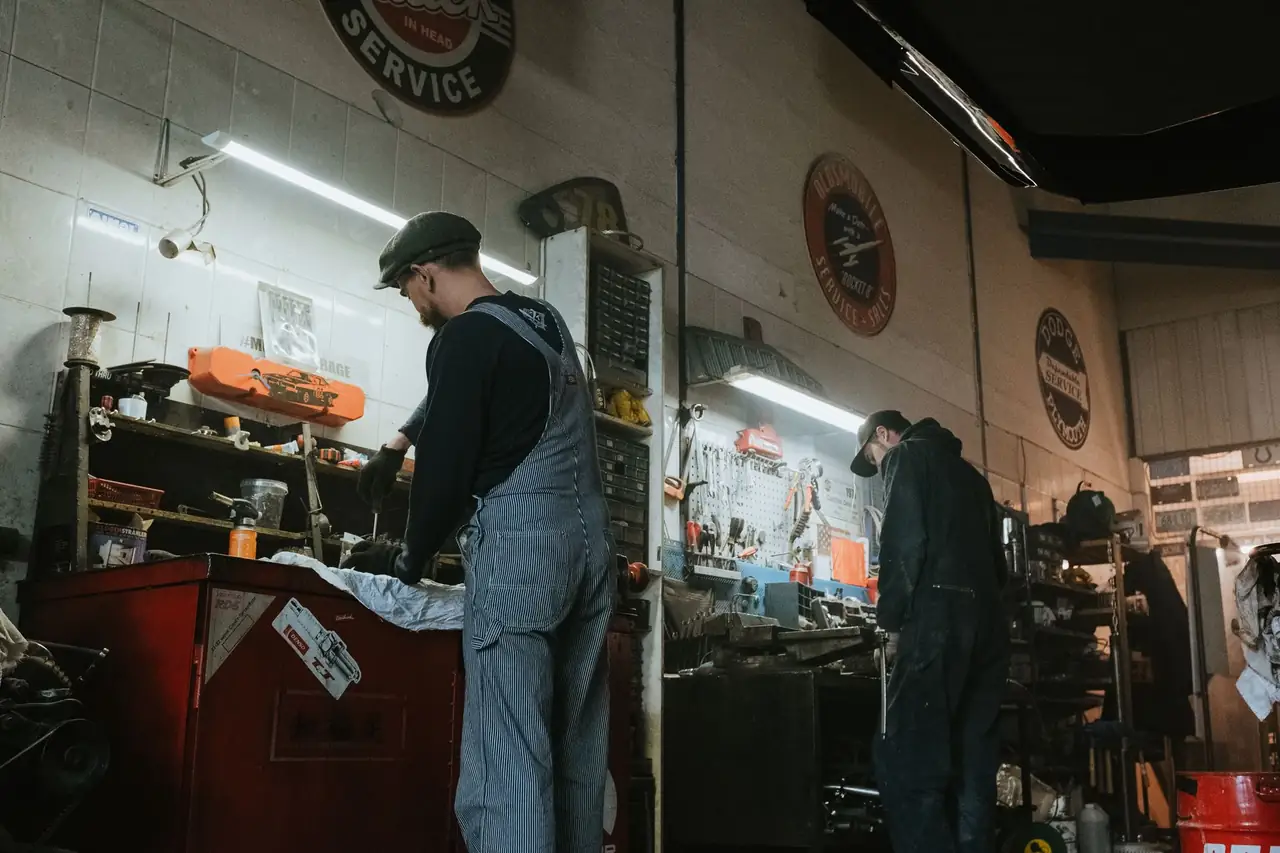
Your energy bill spiked and some rooms are cold while others are warm. The furnace short cycles every few minutes.
We check the filter, static pressure, and limit switch. Short cycling is often caused by restricted airflow or an oversized furnace. We adjust blower speed and balance the ductwork.
Outcome: Longer, more efficient heating cycles and more even temperatures room to room.
You smell gas near the furnace, or your carbon monoxide detector goes off.
We shut the unit down and inspect the gas valve, burners, and heat exchanger with a gas leak detector and combustion analyzer. If we find a cracked heat exchanger, we show you the photos and explain options.
Outcome: A safe, code-correct repair or a clear recommendation on replacement.
Pocatello sits at 4,462 feet with winters that drop into the single digits and occasional stretches below zero. That cold puts stress on Lennox furnaces, especially the igniters and flame sensors. Most homes here were built before 1980, so we see a lot of older Lennox units with standing pilots, thermocouples, and natural draft flues.
The newer builds in Highland Area and Pocatello Heights have high-efficiency Lennox furnaces with PVC venting and communicating control boards. We work on both. If you're looking for affordable Lennox furnace repair in Pocatello ID, we keep our pricing straightforward and stock the parts these units need.
We also know the local code requirements for gas piping and venting, so your repair passes inspection the first time.
Before: A homeowner in Highland Area called at 8 a.m. after their Lennox furnace quit overnight. The house was at 58 degrees. The igniter glowed but the burners never lit, and the control board was flashing a flame sensor error code.
After: We replaced the flame sensor, cleaned the burner assembly, and verified the microamp reading. The furnace lit on the first try and ran through three full cycles. House was back to 70 degrees by noon.
We recommended a fall tune-up and a new filter. A clean flame sensor and fresh filter prevent most ignition failures.
Before: A rental property in Old Town had a Lennox furnace that short cycled every three minutes. The tenant complained of cold rooms and high gas bills. The limit switch was tripping, and the filter was completely clogged.
After: We replaced the filter, cleaned the blower wheel, and adjusted the blower speed. The limit switch stopped tripping, and the furnace ran 15-minute cycles. Gas usage dropped noticeably the next month.
We set the tenant up with a filter schedule and recommended a duct cleaning. Regular filter changes keep the limit switch from tripping.
Before: A two-story home in Pocatello Creek had cold bedrooms upstairs and a warm main floor. The Lennox furnace was running constantly. Static pressure was high, and the blower motor was drawing above its rated amps.
After: We replaced the blower motor and capacitor, then balanced the dampers. Static pressure dropped into range, and upstairs temperatures came up 6 degrees. The furnace now runs shorter cycles.
We recommended annual blower checks and keeping the filter changed every 90 days. A clean blower keeps airflow balanced.
These are the calls we get most often from Pocatello homeowners with Lennox furnaces. Each one has a known cause and a fix.
A tested furnace, a clear price, and heat that stays on.
Most Lennox furnace repairs in Pocatello finish in two to four hours because our trucks carry the igniters, flame sensors, and control boards these units use. We schedule morning calls for no-heat emergencies and keep afternoon slots open for diagnostics. If we need a specialty Lennox part, we tell you the exact arrival window before we leave.
You get a written price before we start any Lennox heating repair Pocatello Idaho job. No surprise line items when we hand you the invoice.
Every Lennox furnace service Pocatello ID call follows Idaho mechanical code and ACCA quality standards. We pull the gas valve, check the heat exchanger with a combustion analyzer, and verify the flue draft before we button the cabinet back up. If we find a cracked heat exchanger, we show you the photos and explain your options in plain language.
We stock Honeywell and Lennox control boards, thermocouples, flame sensors, igniters, and blower motor capacitors on every service vehicle. That means fewer return trips and faster heat for you.
What a written scope covers and what shapes it. Prices are set by the business after the first look.
Included
Depends on
Clear records you can keep and share.
What failed and what we replaced
Voltage, microamps, and temperature rise
Images of the failed part
Size and replacement schedule
Most Lennox furnace failures are repairable. Replacement makes sense when the heat exchanger is cracked or the unit is near end of life.
Single component failure on a unit under 15 years old
Multiple failures or a unit 15-20 years old
Cracked heat exchanger or a unit past 20 years
A list like this tells people straight away whether you cover their street. Not listed? Call and ask: it only takes a minute.
Based in Pocatello and covering the places around it. Pick one for local details.
Emergency calls after 8 p.m. We give you the full price before we start any work.
We do. Pocatello Furnace Repair Pros handles Lennox Furnace Repair in Pocatello and across Bannock County. We work on every model from older G-series furnaces to newer communicating systems. Call (208) 764-8111 and we'll schedule a same-day diagnostic.
We stock the common ones on our service vans: flame sensors, igniters, thermocouples, blower motor capacitors, and control boards for most Lennox models. For discontinued parts, we source aftermarket equivalents that meet the same spec. You don't need to hunt down a parts house.
It depends on your unit's age and what failed. We check your model and serial number before we quote, so you know what's covered and what isn't.
Other services from the same team.
No heat is not something to wait on. We run same-day Lennox Furnace Repair in Pocatello and stock the parts your unit needs. Call (208) 764-8111 and we'll schedule a tech, give you an arrival window, and get your heat back on.
Call us at (208) 764-8111 or email info@pocatellofurnacerepairpros.com. We answer calls Monday through Friday, 8 a.m. to 6 p.m., and we offer emergency service for no-heat calls. If you need furnace repair in Pocatello, ID, reach out and we will get you scheduled.