For Homeowners
Your furnace should hum, not bang or squeal. We trace the noise to the failed part and fix it the same day.
- Banging at startup
- Squealing blower motor
- Clicking every few minutes
When your furnace making strange noises repair Pocatello ID becomes urgent, our techs trace the sound to the failed part and get heat running quiet again. We handle banging, squealing, and rumbling calls across Bannock County, from Old Town to Chubbuck. Most noise complaints trace to a loose blower wheel, a failing inducer motor, or a dirty flame sensor. Call (208) 764-8111 for same-day furnace noise repair Pocatello Idaho.
 Listen at startupTest amp drawCheck gas pressure
Every noise call starts with a full diagnostic, not a guess. We test the electrical and combustion side, isolate the failed part, and quote the repair before we start. Here is what is covered in a standard visit.
We test the blower motor capacitor, control board, limit switch, and flame sensor with a multimeter and capacitor tester. This finds the source of squeals, clicks, and hums before we replace anything.
A combustion analyzer checks the flue for incomplete burn, which can cause a rumble or a whistle. We measure temperature rise and carbon monoxide to confirm the heat exchanger is safe.
We pull the blower assembly, check the wheel for balance, inspect the inducer motor bearing, and tighten mounting bolts to torque spec. Loose hardware is a common cause of banging and scraping noises.
We replace the failed capacitor, blower motor, inducer motor, gas valve, igniter, or flame sensor with a compatible part. Common brands like Lennox, Carrier, Trane, Goodman, and Rheem are stocked on the truck.
We measure static pressure with an anemometer and check your air filter. Restricted airflow makes the blower work harder and louder. A filter change or duct adjustment often quiets the system significantly.
We run three full heat cycles and listen at every register. You hear the result before we leave. We also set your thermostat schedule to reduce short cycling, which is what wears parts out fastest.
The approach is the same for a home and a business. What changes is the access, the schedule and who needs the paperwork.
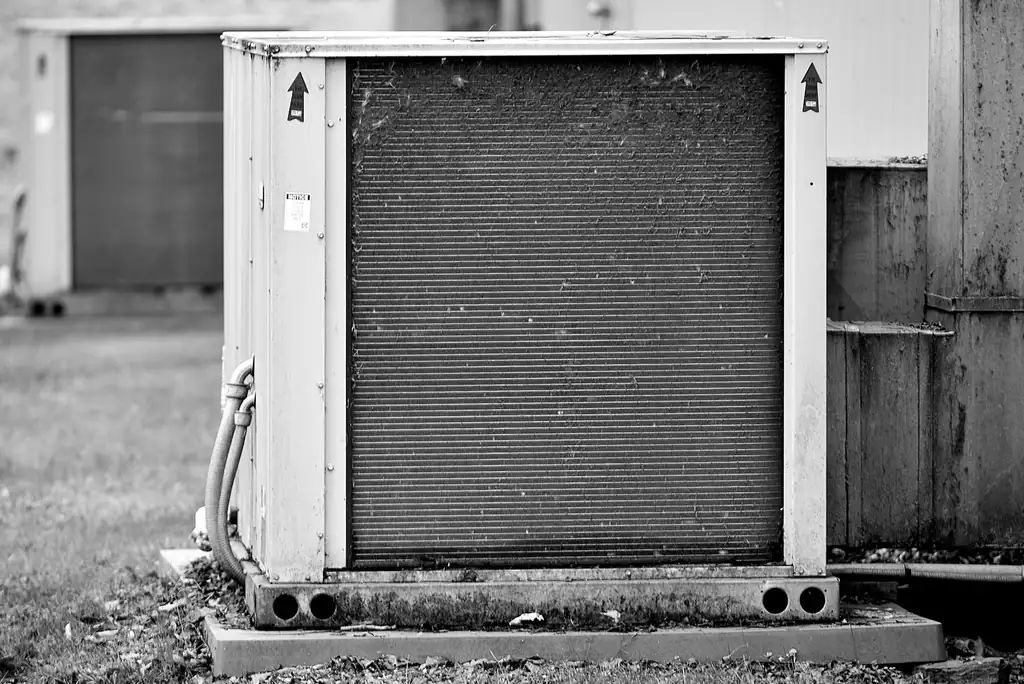
Your furnace should hum, not bang or squeal. We trace the noise to the failed part and fix it the same day.
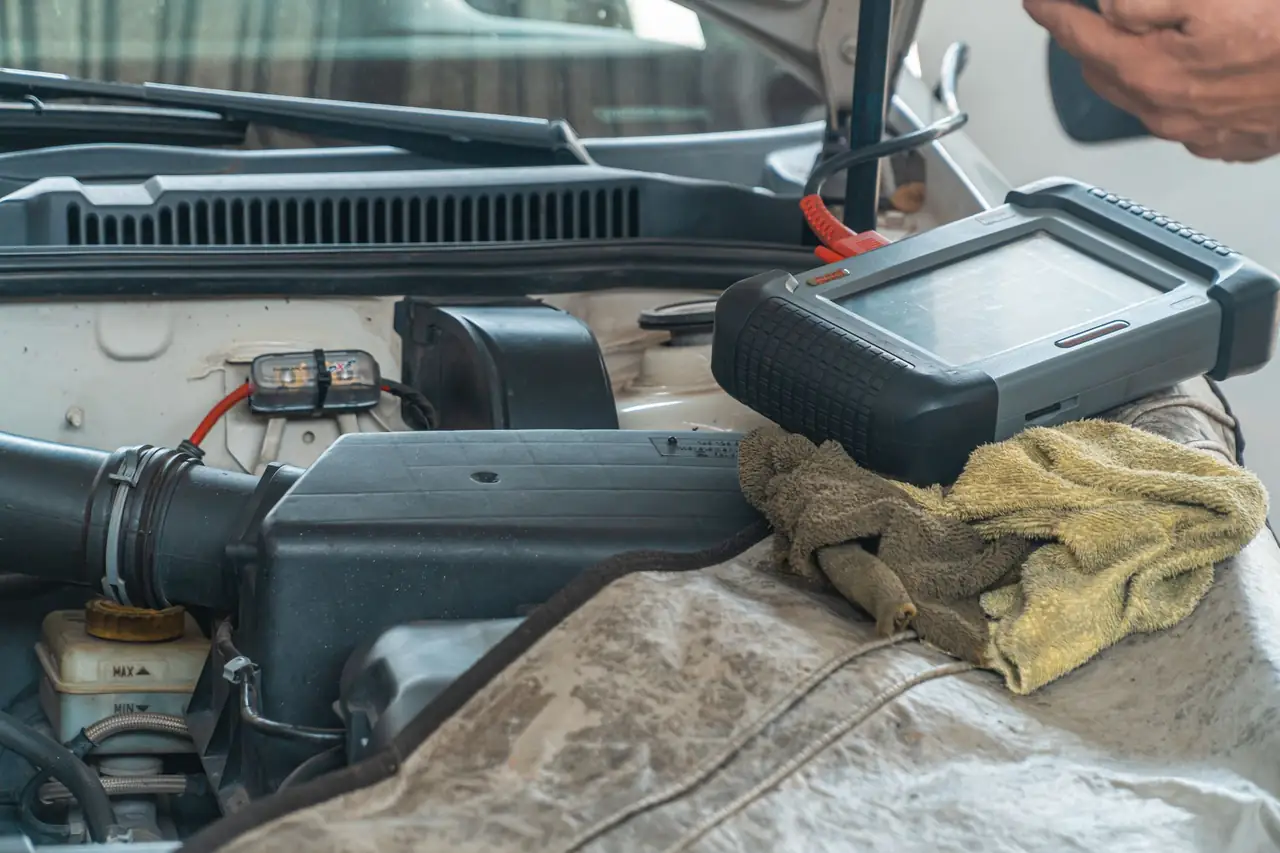
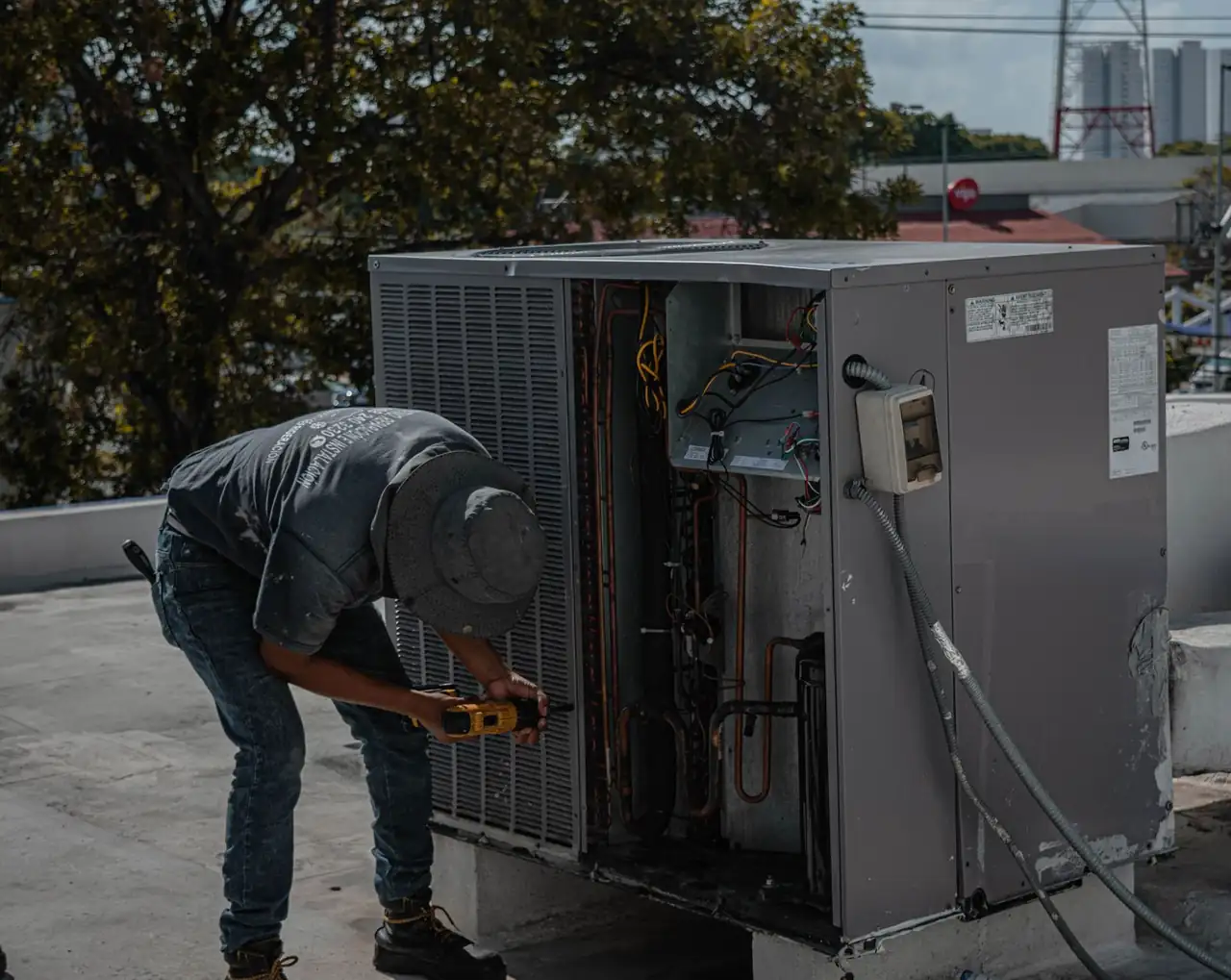
A loud rooftop unit disrupts tenants and customers. We diagnose and repair package units with minimal downtime.
A plain-language look at what Furnace Making Strange Noises involves and when it is needed.
See how it worksFurnace making strange noises repair Pocatello ID is the diagnostic and mechanical work that identifies why your heating system bangs, squeals, rumbles, or clicks, then replaces or adjusts the failed component. A furnace should run with a low, steady hum. When you hear metal-on-metal scraping, a high-pitched squeal at startup, or a rhythmic bang every few minutes, a part is wearing out or a safety switch is tripping. We test the blower motor, inducer motor, gas valve, and limit switch to isolate the source before it cracks a heat exchanger.
Pocatello winters drop below zero, and furnaces here run hard from October through April. That long duty cycle wears blower motor capacitors, dries out bearings, and loosens mounting bolts. Older homes in Alameda and the University Area often have original 1990s equipment that develops a furnace banging noise Pocatello homeowners mistake for normal operation. If you search furnace making strange noises near me Pocatello, we send a tech with a manifold gauge set, multimeter, and combustion analyzer to read the system under real load, not just a visual glance.
A strange furnace noise is a part telling you it is about to fail.
You call, we listen to the sound description, and we show up with the parts and tools to fix the most likely culprits. Here is what the visit looks like from your side.
You describe the noise: bang, squeal, rumble, or click. We ask when it happens, at startup or mid-cycle, and whether the blower runs. That five-minute call tells us which parts to load on the truck, so we arrive with the right capacitor, igniter, or inducer motor for your brand.
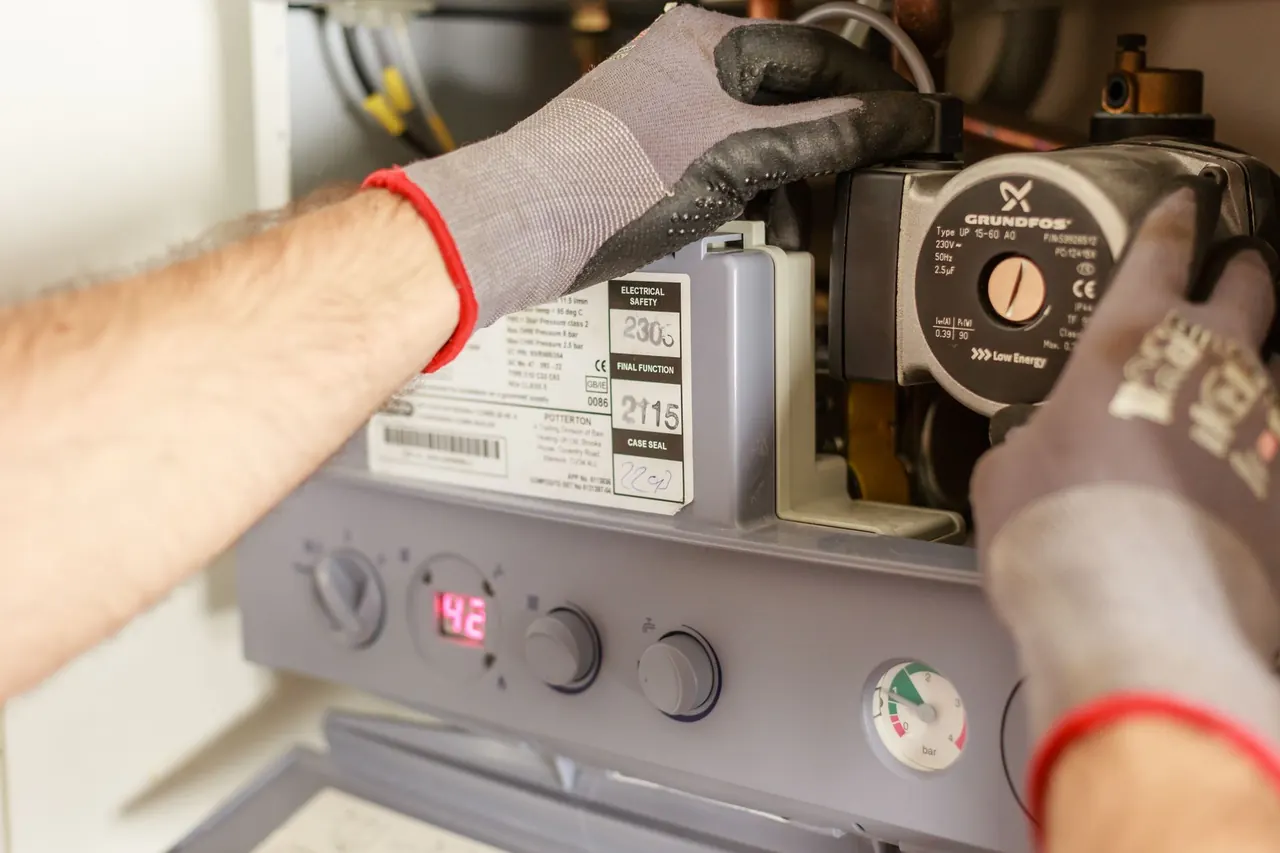
The tech pulls the blower door, inspects the control board for burn marks, and tests the flame sensor and igniter with a multimeter. We run a combustion analyzer on the flue to check for incomplete burn, then measure static pressure with an anemometer. This takes 45 to 60 minutes and pinpoints the noise source.
We show you the failed part, explain what it does, and give you a flat repair price before we touch a wrench. If the heat exchanger is cracked, we tell you straight and walk through replacement options. No surprise charges, no pressure to buy a new furnace on the spot.
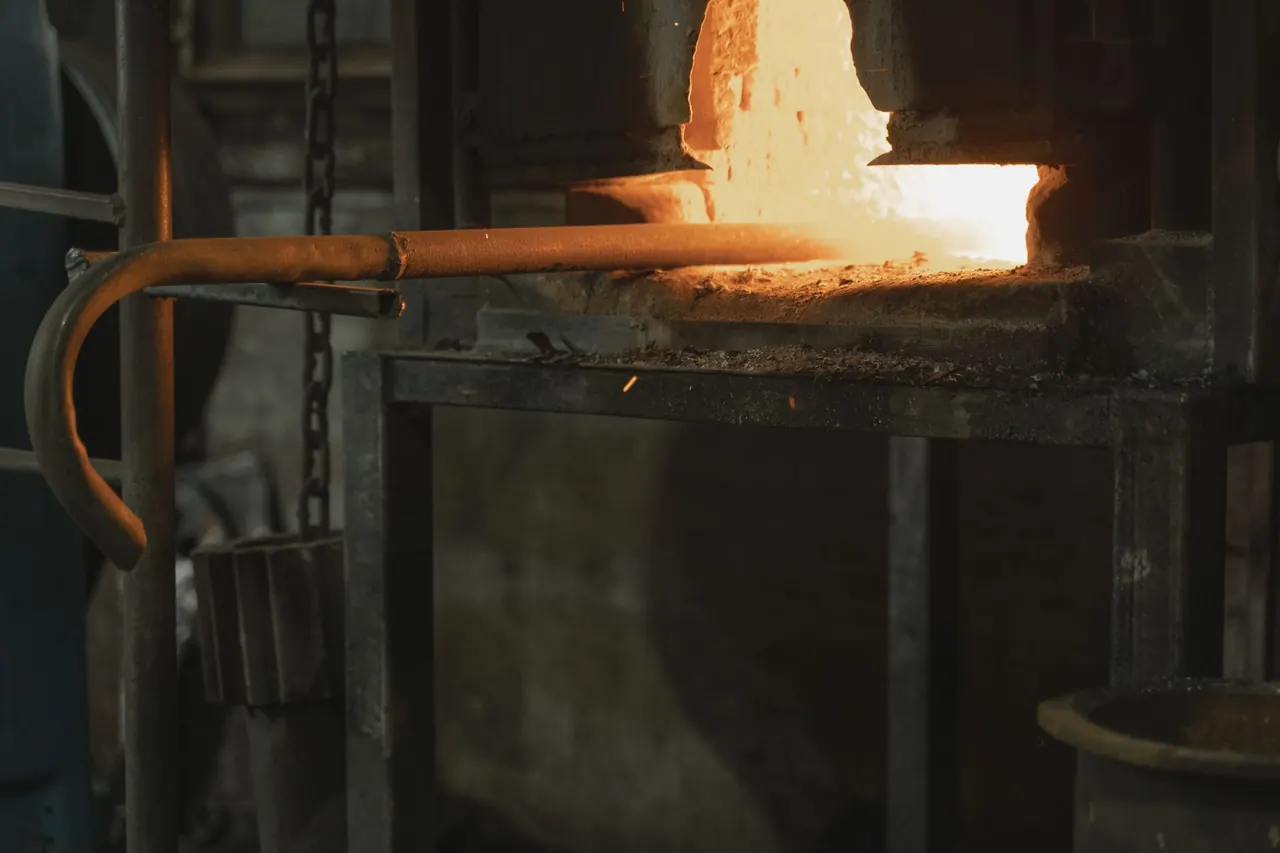
We replace the capacitor, blower motor, inducer motor, gas valve, or limit switch, whichever failed. Torque specs matter on blower wheels and mounting bolts, so we use a torque wrench and recheck amp draw with a clamp meter after the swap. Most repairs take one to two hours.
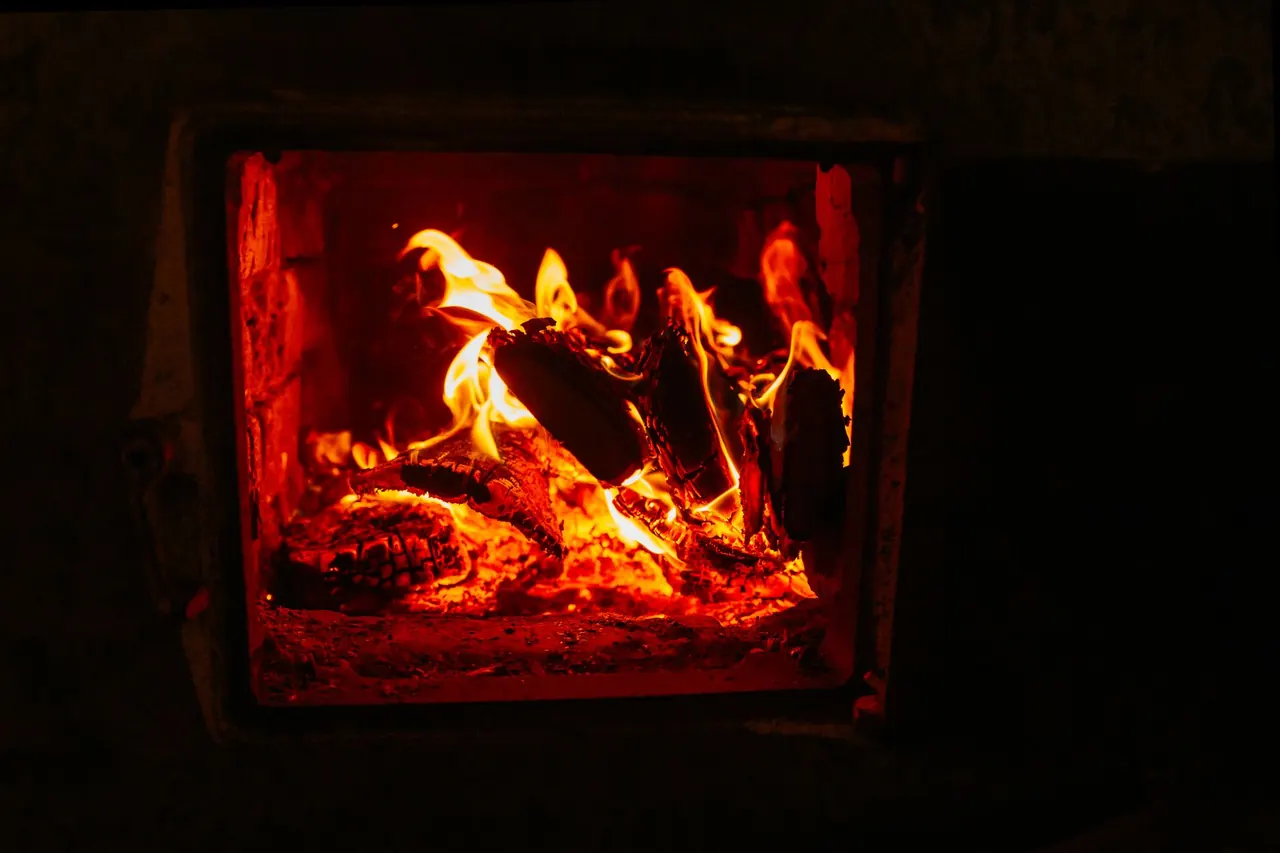
We run three full heat cycles and listen at the return and supply registers. You hear the difference before we pack up. Then we show you the old part, explain what caused the failure, and set your thermostat schedule to reduce short cycling, which is what wears parts out fastest.
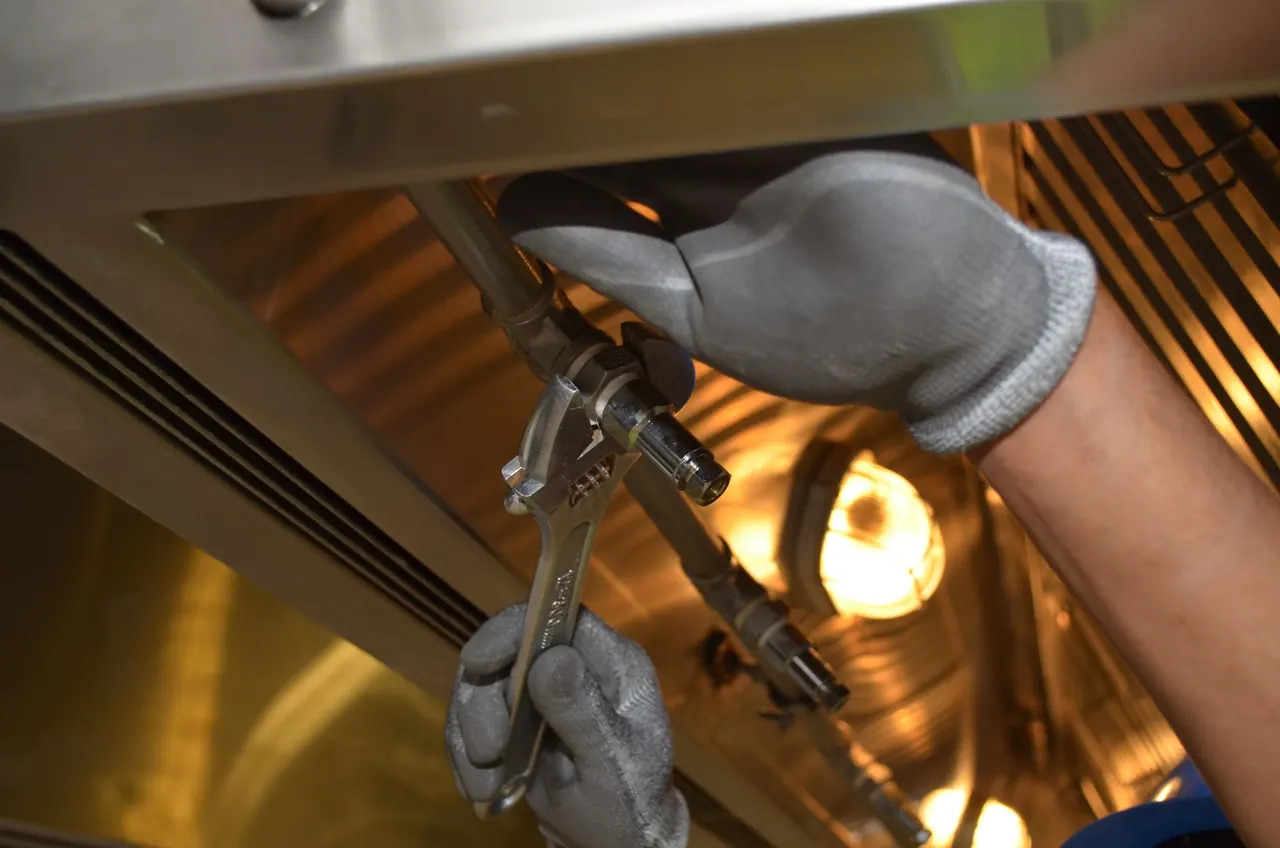
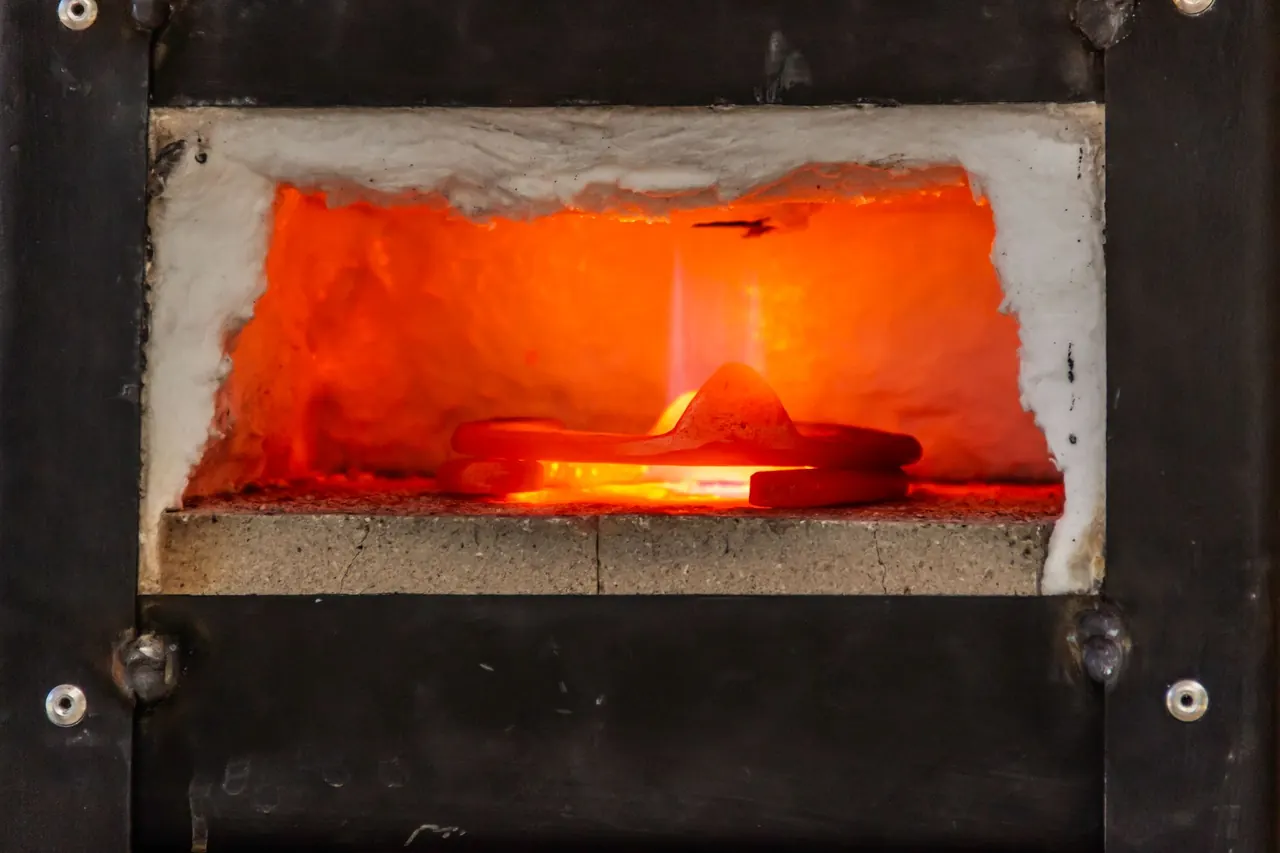
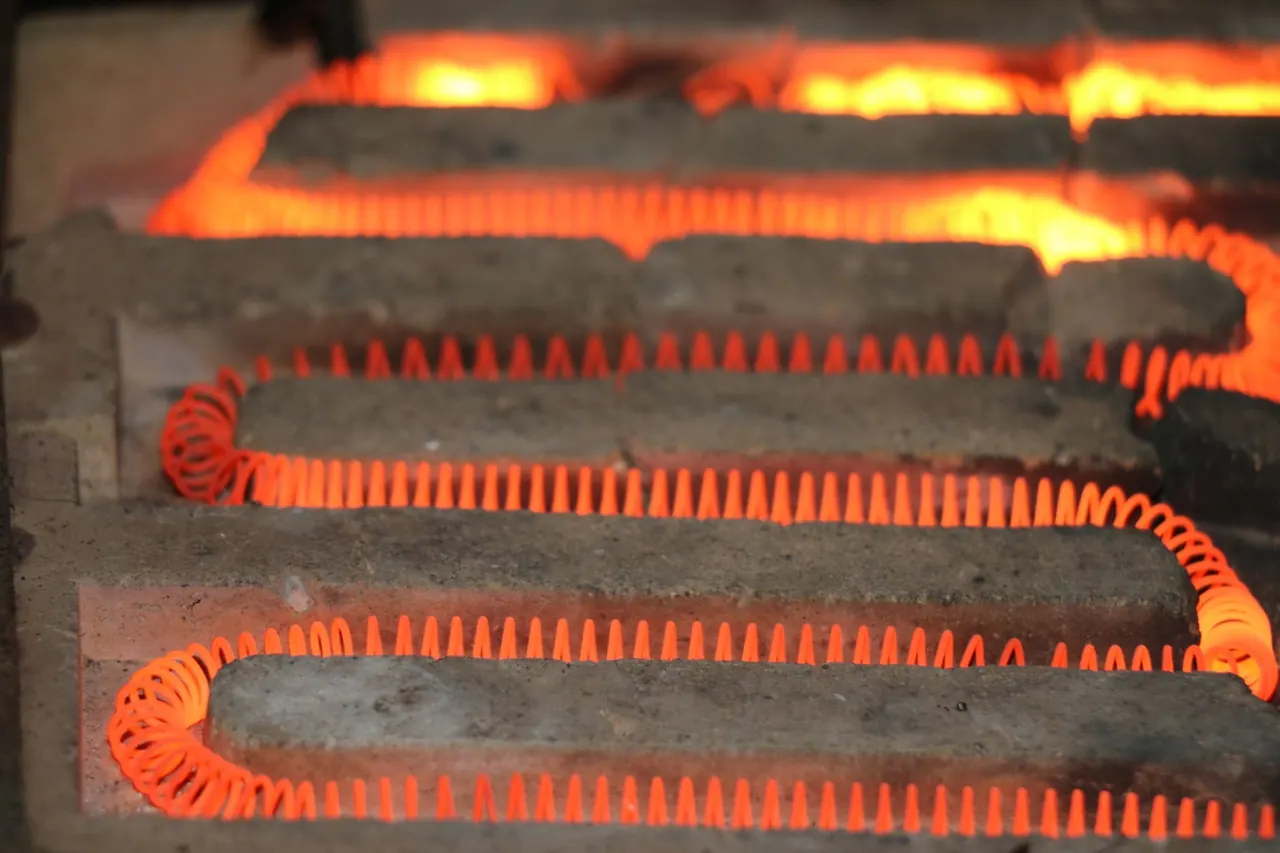
Move across a circle, or focus it and press Enter, for an illustrative thermal view of the photograph.
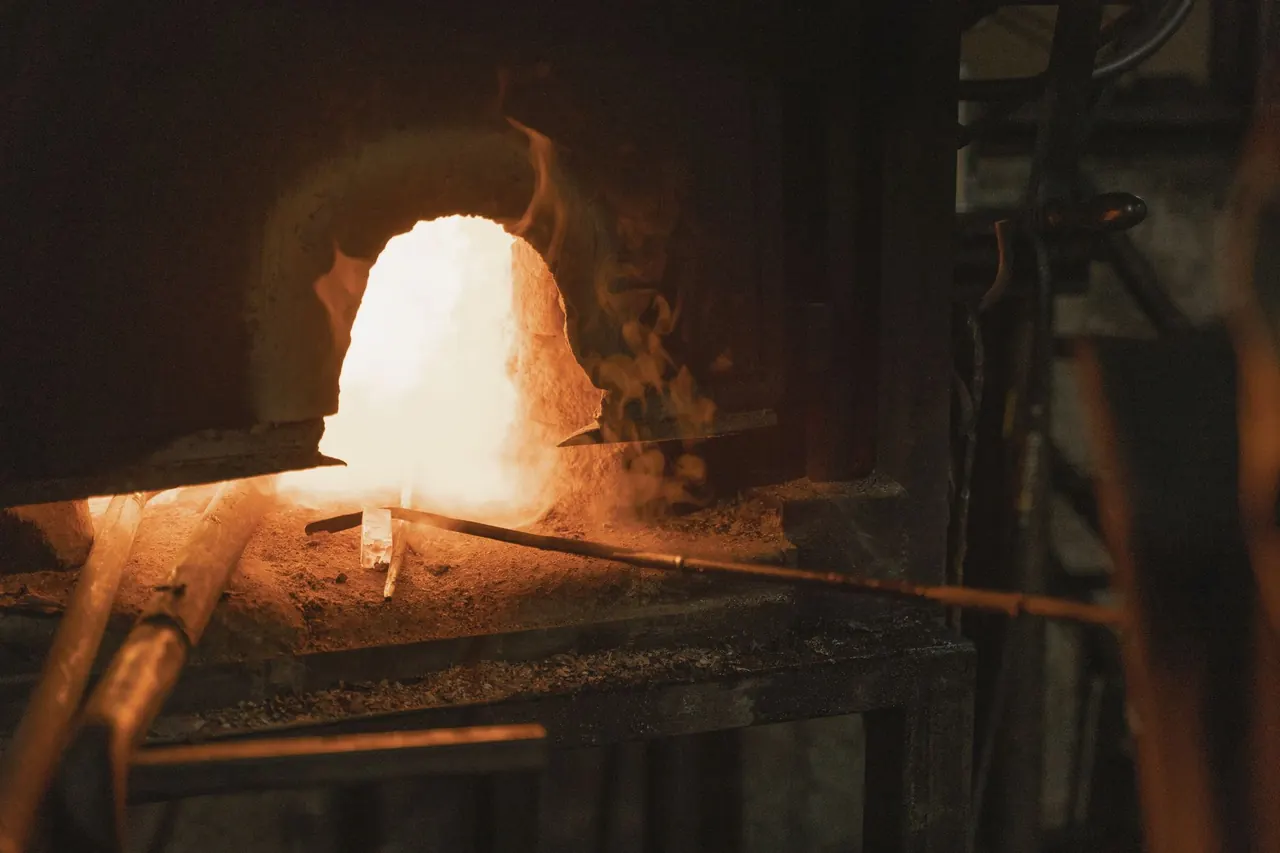
Reads gas pressure at the valve to confirm the burn is set correctly. Low or high pressure causes rumbling and delayed ignition.
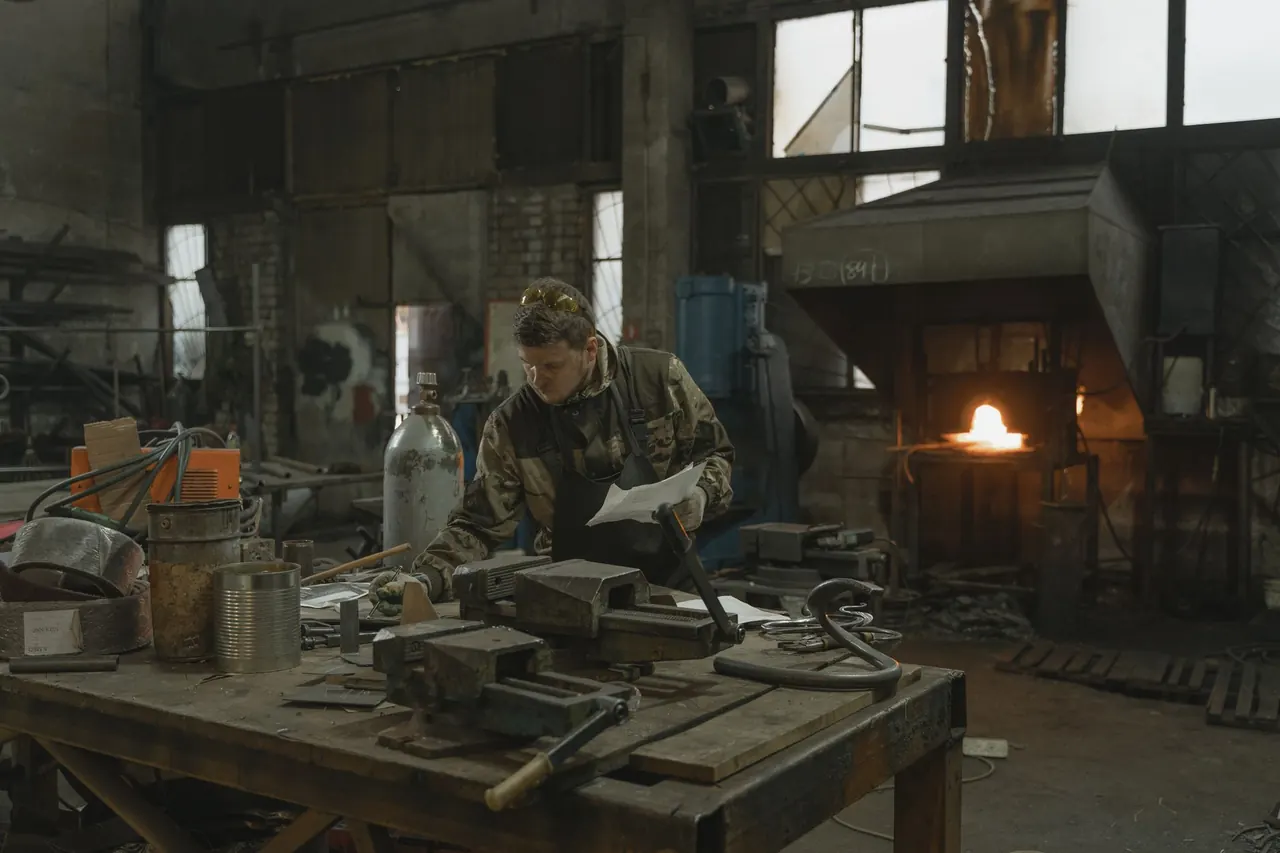
Tests the control board, limit switch, and blower motor amp draw. Amp draw tells us if the motor is failing or just dirty.
Measures carbon monoxide and temperature rise in the flue. Confirms the heat exchanger is safe and the burn is clean.
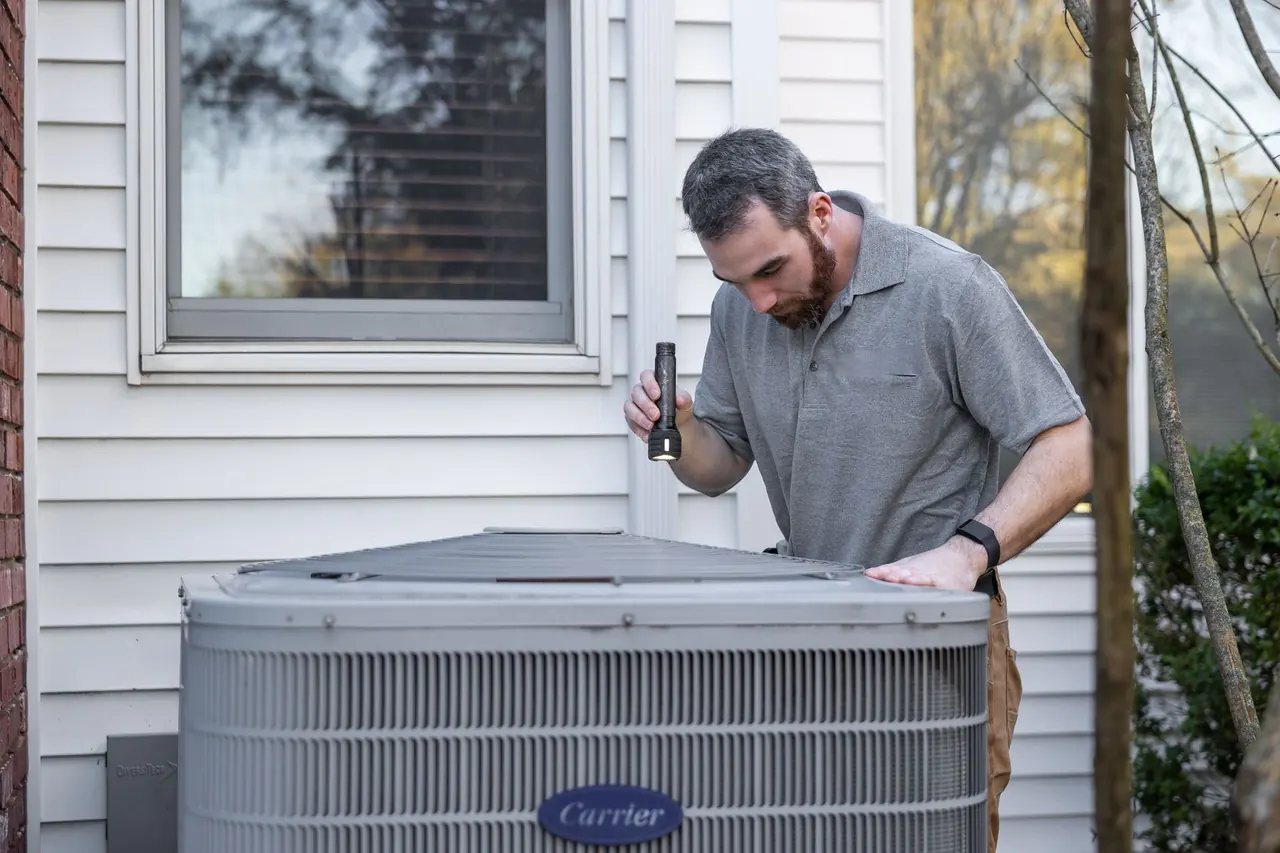
Reads the microamp signal from the flame sensor. A low reading causes clicking and short cycling.
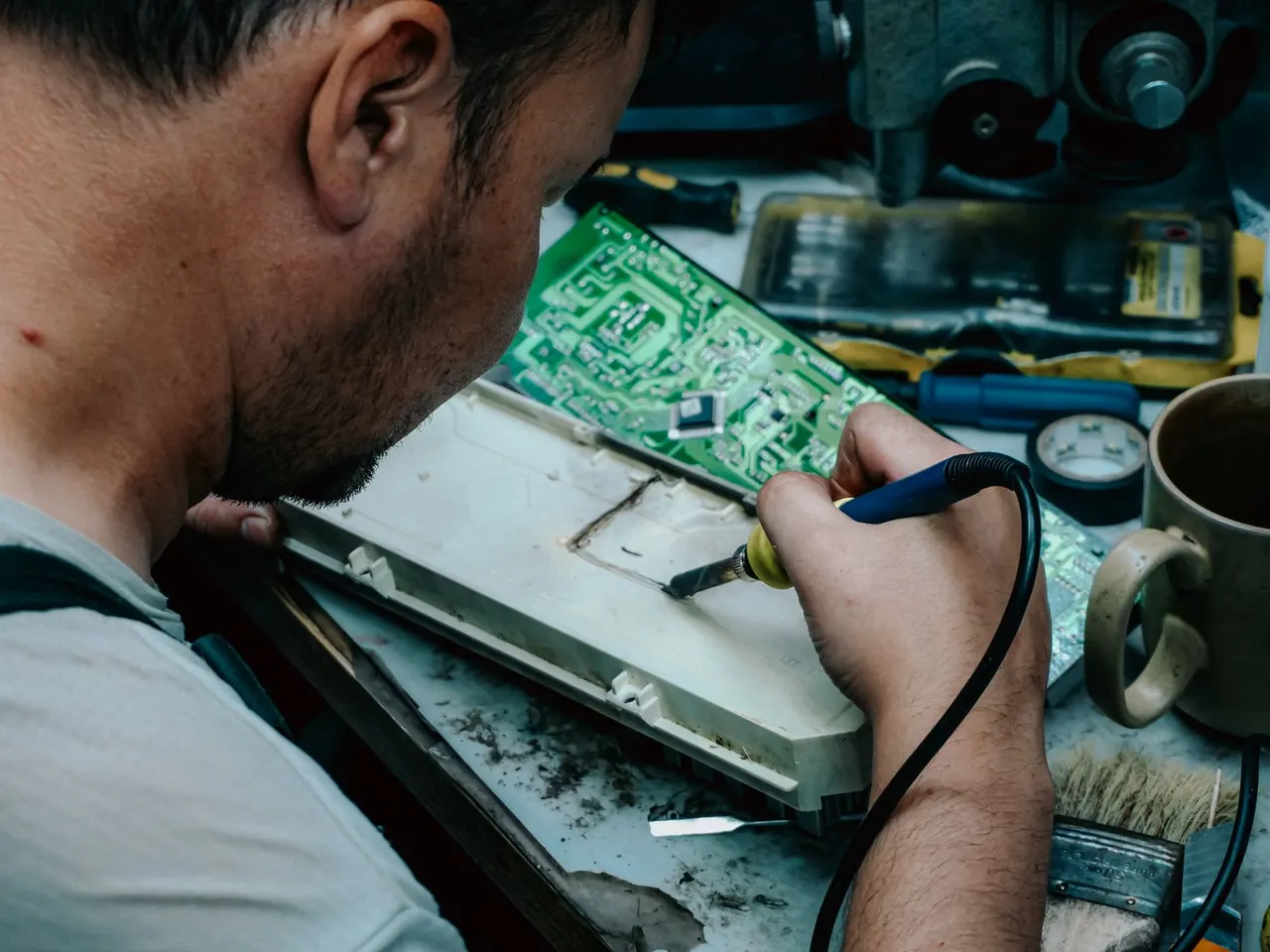
Checks the capacitor under load. A weak capacitor makes the motor squeal and eventually fail.
Thermal views are illustrative, generated from the photographs.
Measures static pressure and airflow at the return and supply. Restricted airflow makes the blower loud and the furnace short cycle.
Sniffs for leaks at the valve and manifold before and after any gas-side repair. Safety check on every call.
Our techs follow NATE testing standards for electrical and combustion diagnosis. That means a repeatable process, not a guess. Every noise call gets the same sequence: electrical test, combustion test, mechanical inspection, airflow check.
Any work involving refrigerant or combustion byproducts follows EPA Section 608 handling rules. We verify safe operation before we leave, and we document the readings on your invoice.
We size and set airflow to ACCA standards. That means measuring static pressure and temperature rise, not eyeballing the blower speed. Proper airflow is what keeps a furnace quiet.
We follow OSHA safety rules on every job, from lockout procedures to gas leak checks. Your home stays safe while we work, and we clean up before we leave.
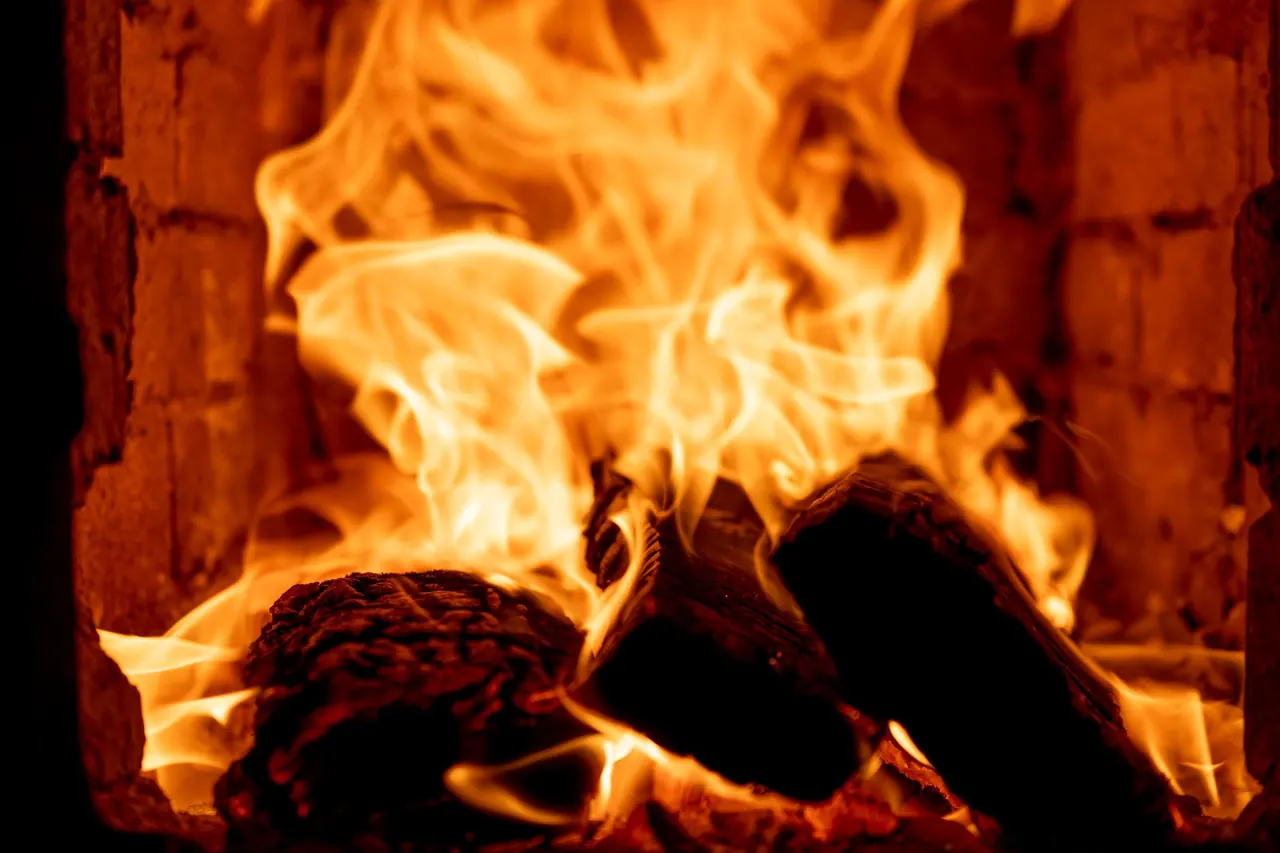
Your furnace bangs once at startup, then runs quiet.
That is delayed ignition. We test the igniter and flame sensor, clean or replace the sensor, and set the ignition timing. The bang is a warning, not a quirk.
Outcome: Quiet startup and a heat exchanger that is not flexing every cycle. Most homeowners see the fix last for years.
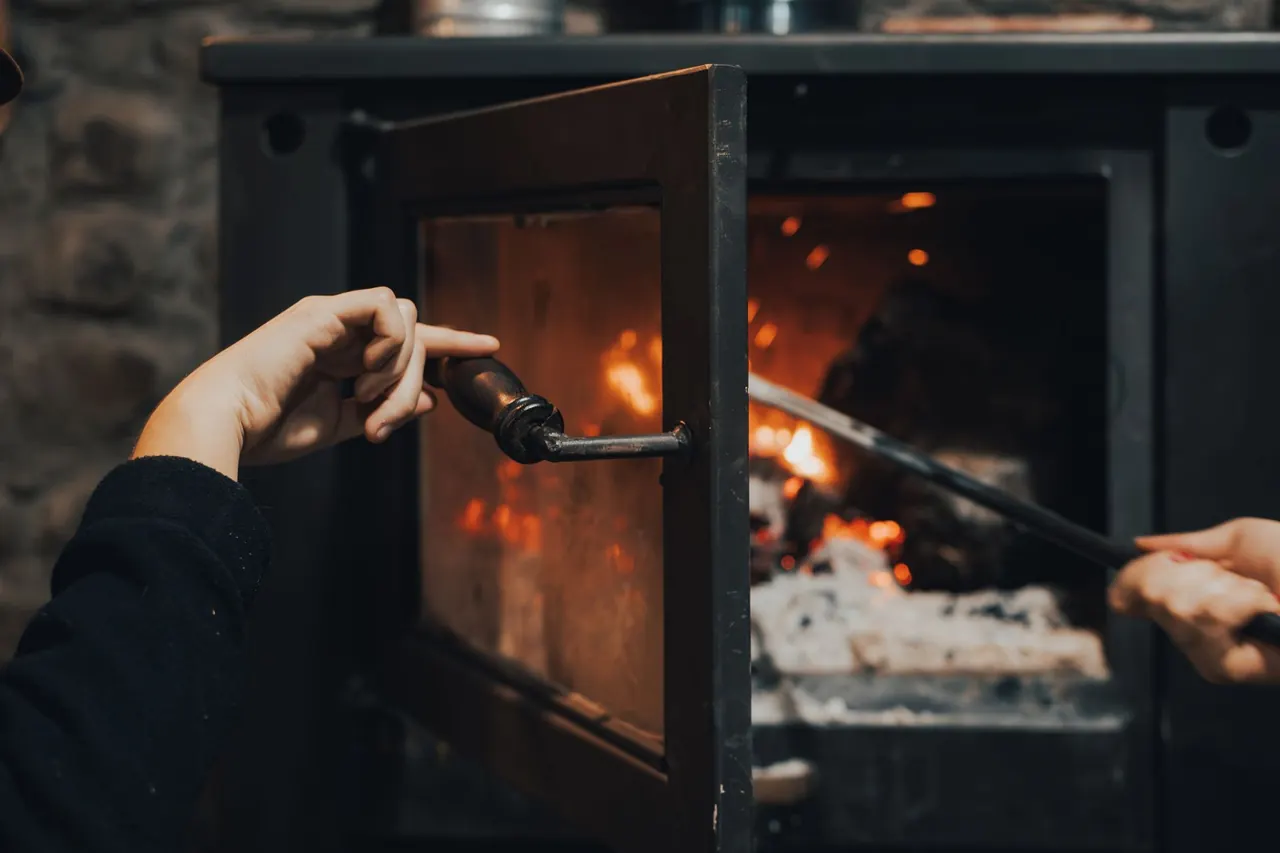
The blower squeals for the first minute, then quiets down.
A dry bearing or a weak capacitor is the usual cause. We replace the capacitor and lubricate or replace the blower motor, then verify amp draw.
Outcome: The squeal stops and the motor runs cooler. You avoid a seized blower in the middle of a January cold snap.
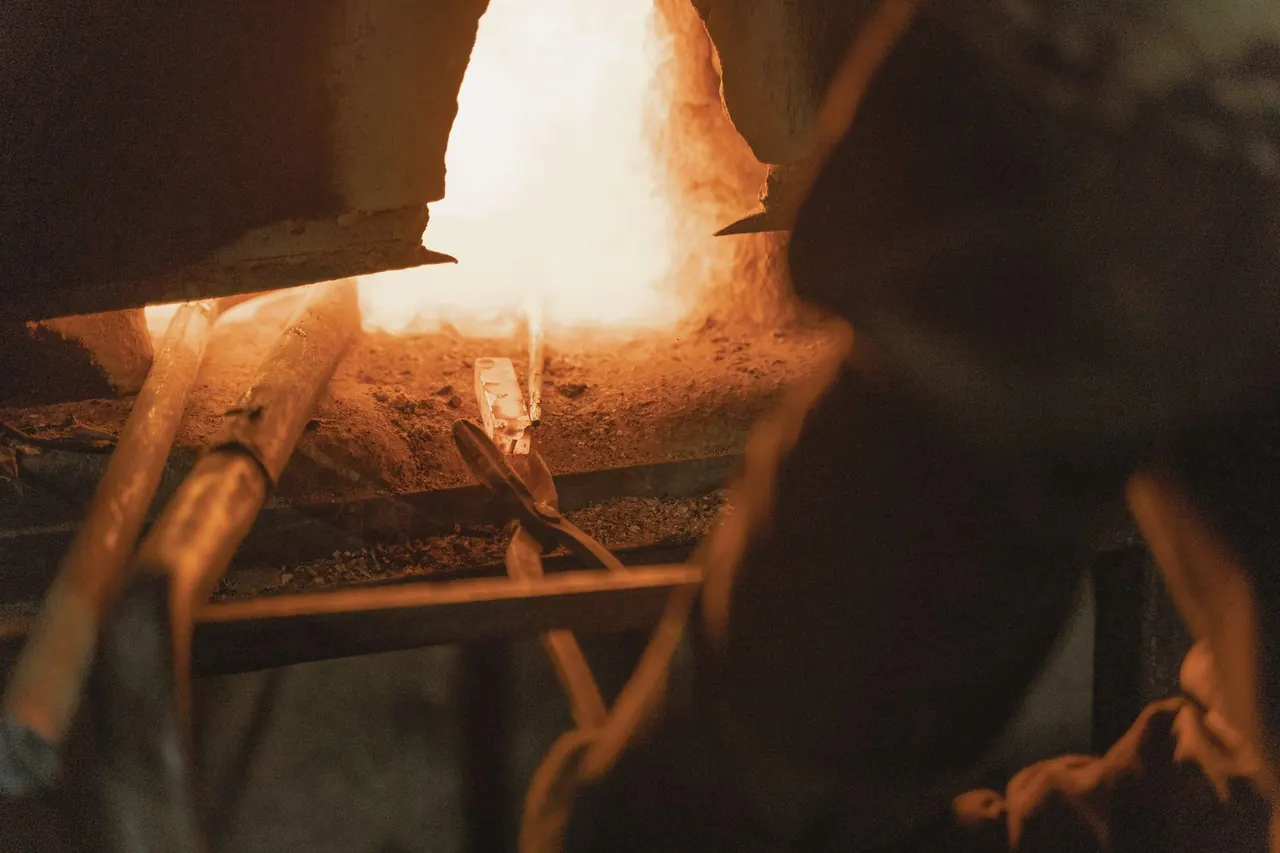
You hear a rumble from the utility closet all winter.
The inducer motor is the likely culprit. We replace it and check the pressure switch tubing. A combustion analyzer confirms the draft is correct.
Outcome: The rumble is gone and the furnace runs at the right temperature rise. Safer operation and lower gas use.
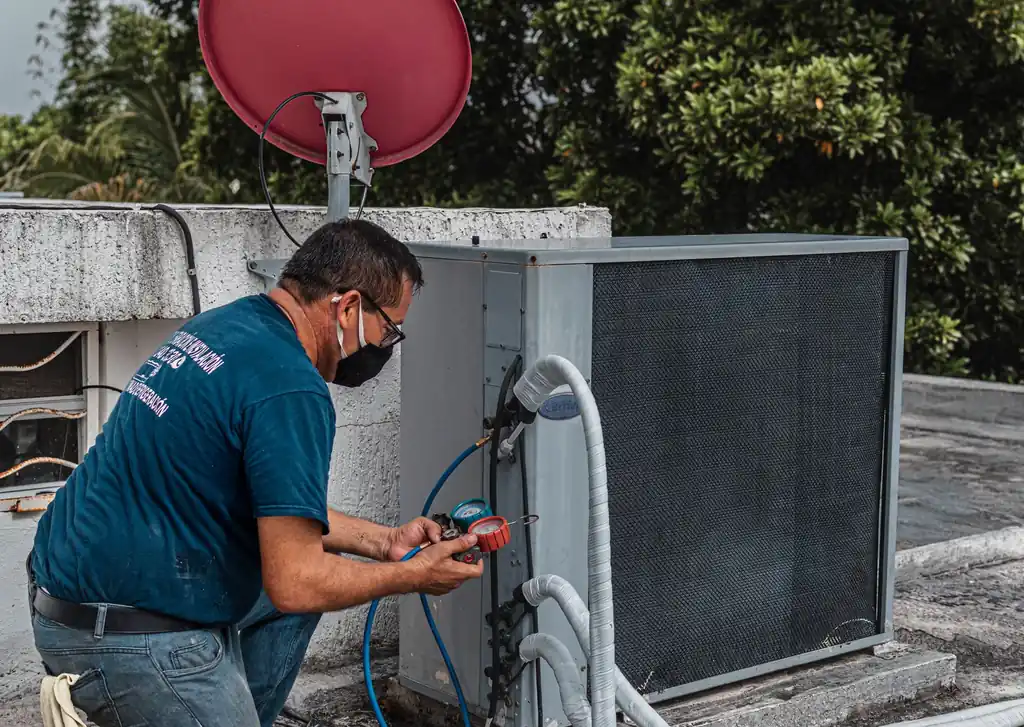
Your furnace clicks on and off every few minutes.
Short cycling usually traces to a dirty flame sensor or a tripping limit switch. We clean or replace the sensor, test the switch, and check airflow.
Outcome: Full heat cycles, a quieter furnace, and a lower gas bill. The control board and blower motor last longer too.
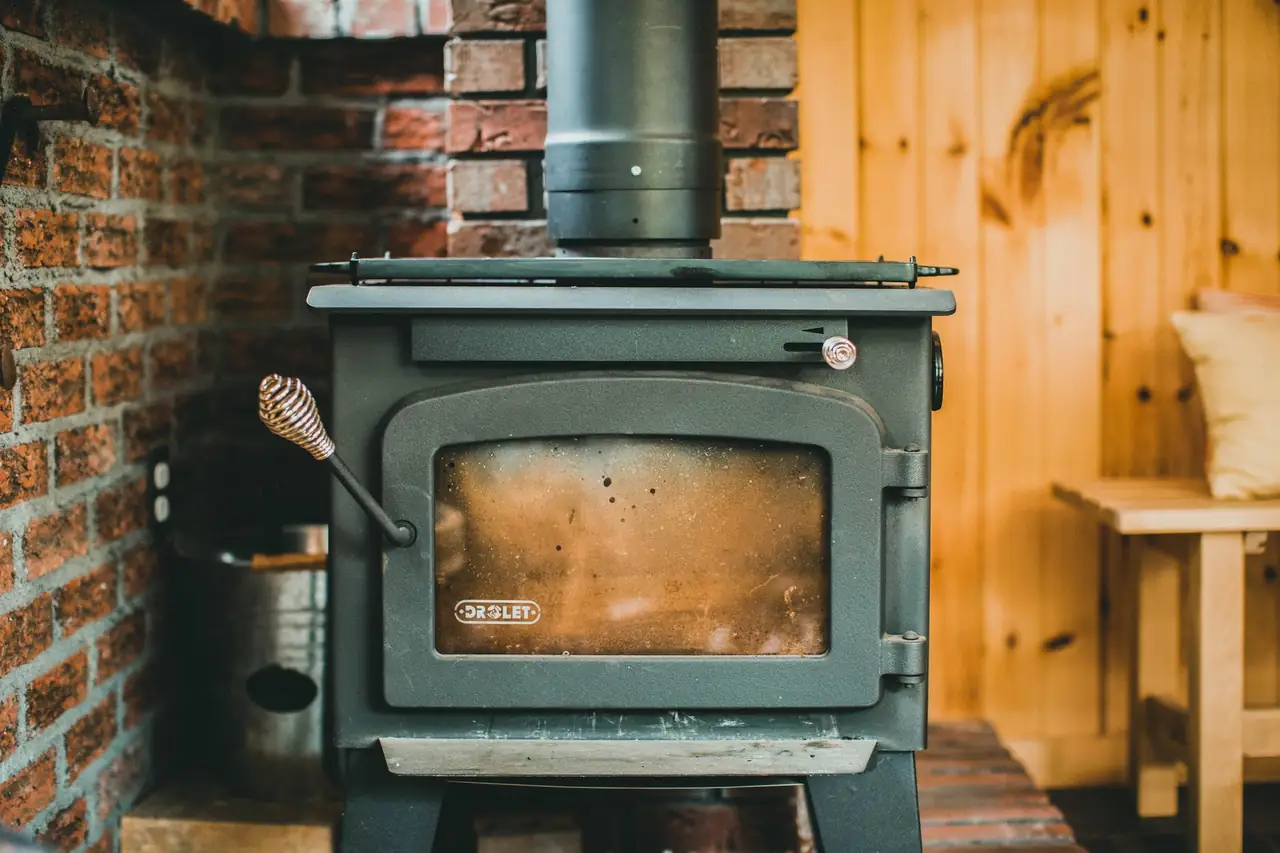
A scraping noise starts when the blower kicks on.
We pull the blower assembly and inspect the wheel and bearing. A loose wheel gets torqued to spec. A bad bearing gets a new motor.
Outcome: No more metal-on-metal. The blower runs smooth and the ductwork stays free of debris.
Pocatello sits at 4,500 feet, and the high altitude changes how a furnace burns. Gas pressure needs to be set lower than at sea level, and a furnace that is over-fired will rumble and soot up the heat exchanger. We adjust manifold pressure with a gauge set on every call. Winters here run from October through April with weeks below zero, so furnaces cycle hard and blower motors wear out faster than in milder climates.
Older homes in Alameda, Old Town, and the University Area often have undersized ducts and original 1990s blowers. Newer builds in Highland Area and Pocatello Heights have tighter envelopes, which can cause short cycling if the furnace is oversized. We see a lot of furnace squealing noise Pocatello ID calls in November when the first cold snap hits and a dry bearing finally gives out.
If you need furnace noise repair Pocatello Idaho, we know the local building stock and the parts that fail most.
Before: A 1998 Carrier furnace banged once at every startup. The homeowner thought it was normal. The flame sensor was black and the igniter gap was out of spec, causing delayed ignition and a small boom each cycle.
After: We cleaned the flame sensor, set the igniter gap, and adjusted manifold pressure with a gauge set. The bang disappeared. Temperature rise dropped from 55 to 42 degrees, which is within spec and easier on the heat exchanger.
Change the filter every 60 days and schedule a combustion check each fall. A clean flame sensor keeps the ignition timing correct.
Before: A 2010 Goodman furnace squealed for the first two minutes of every cycle. The blower motor capacitor tested weak and the bearing was dry. Amp draw was 8.2 amps, well above the motor rating.
After: We replaced the capacitor and blower motor. Amp draw dropped to 5.1 amps, which is within spec. The squeal was gone and the motor ran 40 degrees cooler.
Keep the blower compartment clean and replace the filter monthly during heavy-use months. A cool-running motor lasts years longer.
Before: A 2005 Trane furnace rumbled loudly from the utility closet. The inducer motor bearing was failing and the pressure switch tubing had a hairline crack. The furnace short cycled and the rumble got worse each week.
After: We replaced the inducer motor and the pressure switch tubing. Draft readings returned to spec and the rumble stopped. The furnace now runs full cycles and the gas bill dropped about 12 percent the next month.
Have the inducer and pressure switch checked every fall. A cracked tube is a cheap fix that prevents a loud, unsafe winter.
Every strange sound points to a specific failure. Ignoring it costs more than the repair. Here are the most common noise complaints we solve in Pocatello.
A quiet furnace that heats your whole home without stress.
We schedule same-day furnace making strange noises repair Pocatello ID calls whenever the board allows. A tech arrives with a multimeter, flame sensor tester, and blower motor capacitor tester, runs the furnace through a full heat cycle, and tells you the failed part before we quote the fix. Most diagnostics finish in 45 to 60 minutes.
A furnace banging noise Pocatello often means a delayed ignition or an expanding heat exchanger. Both stress metal every cycle. We measure temperature rise and inspect the heat exchanger for cracks. Catching a cracked heat exchanger early prevents carbon monoxide from entering your living space and avoids a full system replacement.
Squealing usually comes from a dry blower motor bearing or a worn capacitor. We replace the capacitor, lubricate or swap the blower motor, and verify amp draw with a clamp meter. You get a furnace that starts with a soft whoosh instead of a screech, and the motor runs cooler, which extends its life by years.
Affordable furnace making strange noises repair in Pocatello ID means fixing the part that failed, not replacing the whole furnace. We stock common capacitors, igniters, flame sensors, and inducer motors for Lennox, Carrier, Trane, Goodman, and Rheem units.
What a written scope covers and what shapes it. Prices are set by the business after the first look.
Included
Depends on
Clear records you can keep and share.
Flat price with part and labor listed
Amp draw, temperature rise, and draft readings
Brand and model of the replacement part
Recommended size and change interval
The sound your furnace makes points to a specific failure. Here is how to read it.
Delayed ignition or expanding metal
Blower motor or capacitor failure
Inducer motor or draft problem
A list like this tells people straight away whether you cover their street. Not listed? Call and ask: it only takes a minute.
Based in Pocatello and covering the places around it. Pick one for local details.
A capacitor or flame sensor swap sits at the low end. A blower motor or inducer motor replacement lands higher because of the part cost and labor. Diagnostic fees are waived when you approve the repair, so you only pay for the fix.
A banging noise usually means delayed ignition. Gas builds up for a few seconds, then lights with a small boom that flexes the heat exchanger. It can also be a loose blower wheel or an expanding duct. Either way, stop running the furnace and call us. Delayed ignition stresses metal every cycle and can crack the heat exchanger.
Pocatello Furnace Repair Pros handles noise calls across Bannock County, including Old Town, Alameda, Chubbuck, and the University Area. Call (208) 764-8111 and describe the sound. We will tell you what to expect before we arrive.
A failing blower motor squeals at startup, then quiets as it warms up. A worn bearing rumbles or scrapes like metal on metal. A bad capacitor makes a clicking sound and the motor may hum without spinning. If you hear any of these, shut the system down and call us. Running a seized blower motor can burn out the control board.
Other services from the same team.
Do not wait for a squeal to turn into a cracked heat exchanger. We stock the parts, carry the tools, and answer the phone with a real diagnosis. Call (208) 764-8111 for same-day furnace noise repair Pocatello Idaho.
Call us at (208) 764-8111 or email info@pocatellofurnacerepairpros.com. We answer calls Monday through Friday, 8 a.m. to 6 p.m., and we offer emergency service for no-heat calls. If you need furnace repair in Pocatello, ID, reach out and we will get you scheduled.