For Homes
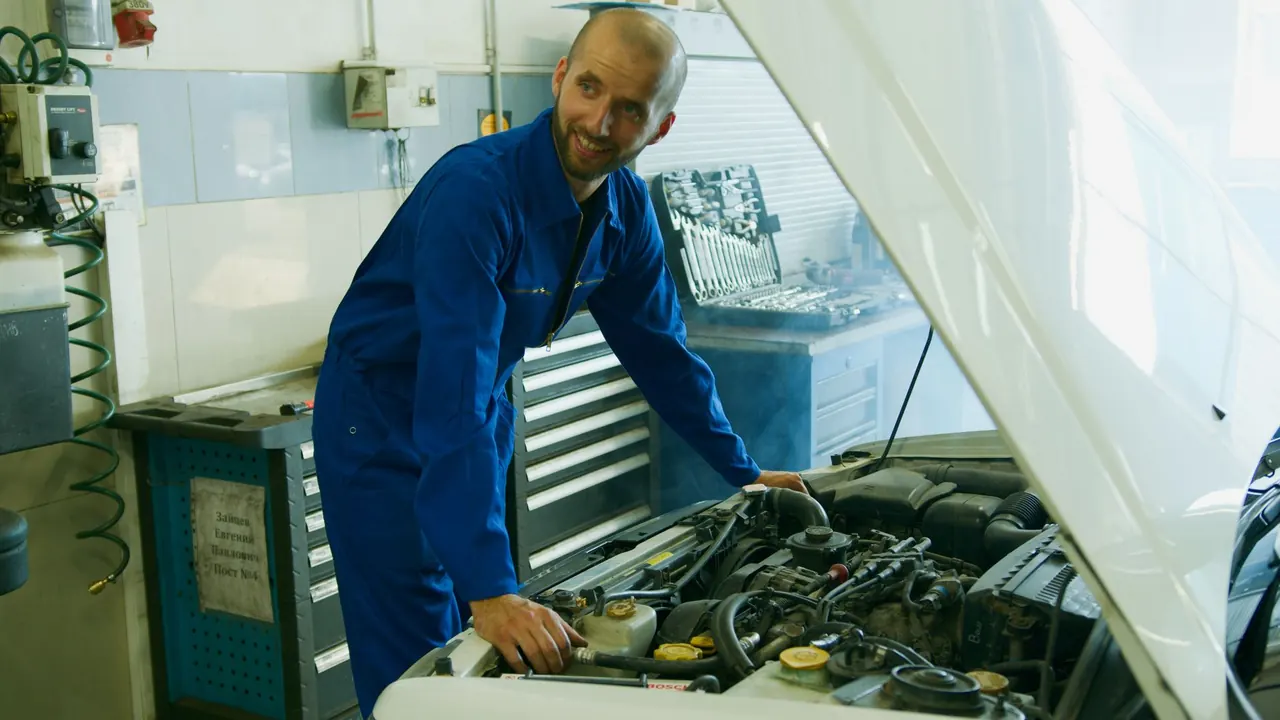
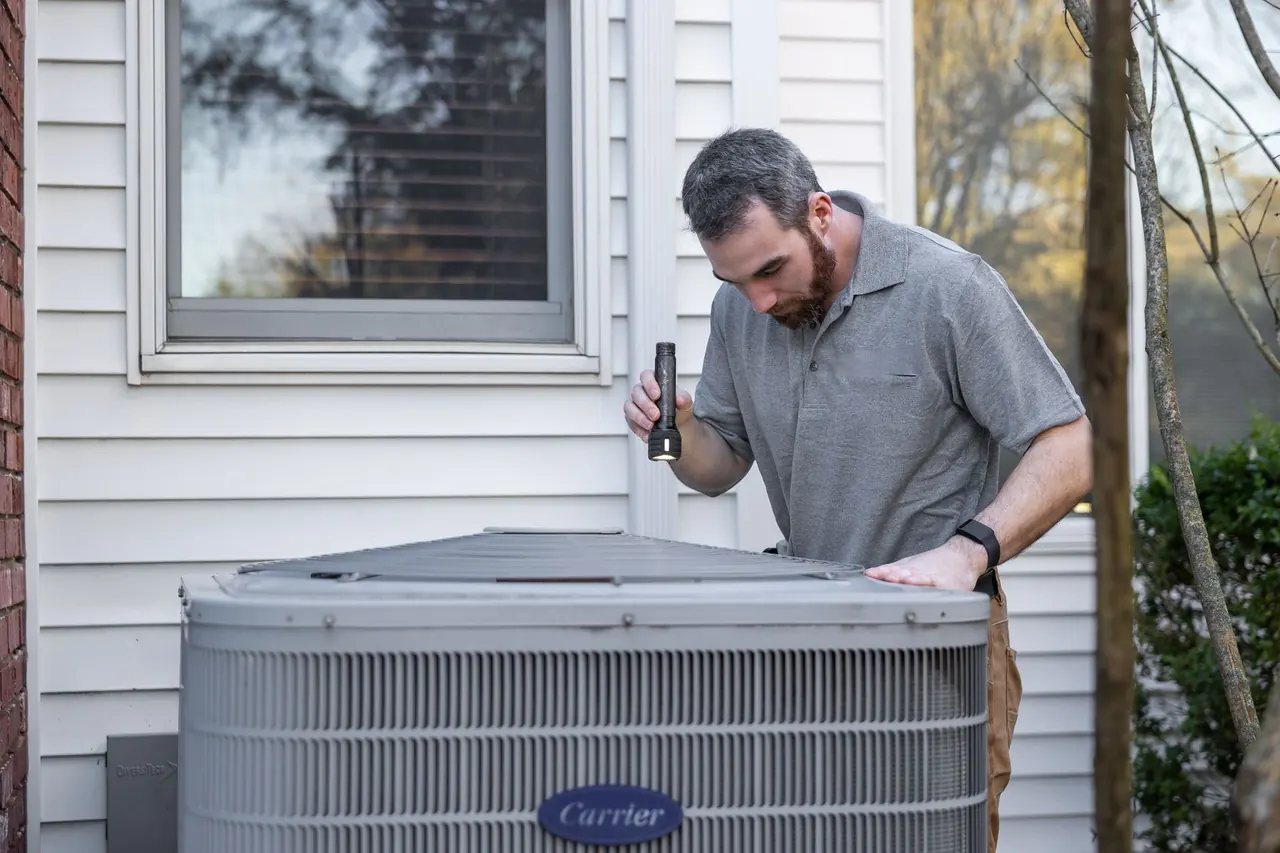
We repair standing-pilot and electronic ignition furnaces in houses, duplexes, and apartments. You get a clear diagnosis and a same-day fix when parts allow.
- Pilot won't stay lit
- Cold air from vents
- Furnace clicks but no heat
When your furnace pilot light won't stay lit, you need furnace pilot light repair Pocatello ID homeowners trust. We diagnose thermocouples, flame sensors, and gas valves, then restore reliable ignition the same day. Serving Bannock County and all of Pocatello, Idaho, our technicians arrive with the tools to fix it right the first time. Call (208) 764-8111.
 Test thermocoupleClean pilot orificeVerify gas pressure
Every furnace pilot light repair Pocatello ID visit includes a full diagnostic and safety check, not just a relight. Here is what is covered in a standard visit, and what we quote separately if we find it.
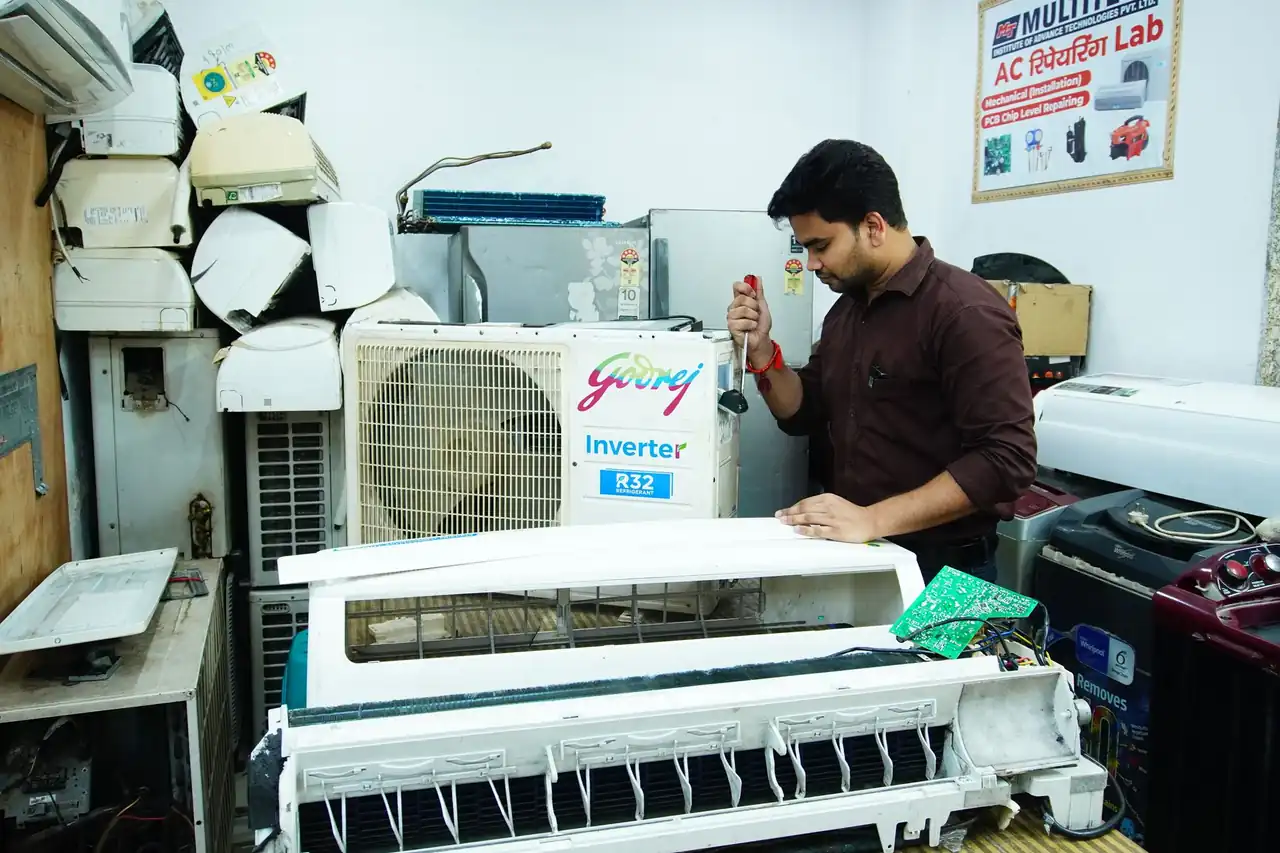
We inspect the pilot orifice, tubing, and bracket for blockages or corrosion. A clogged orifice is a common reason a pilot burns weak or goes out, and cleaning it is part of the standard visit.
We measure thermocouple millivolt output and flame sensor microamps with a multimeter. If either is out of spec, we replace it with an OEM-grade part and retest.
Using a manifold gauge set, we verify inlet and manifold gas pressure against the furnace rating plate. Incorrect pressure can cause pilot outages and burner problems.
We run a gas leak detector around every fitting we touch and use a combustion analyzer to confirm safe operation. This step protects your family and your home.
We inspect the heat exchanger for cracks or corrosion while we are in the cabinet. If we find a crack, we explain the safety risk and quote repair or replacement.
We cycle the furnace three times to confirm the pilot stays lit. Then we show you what failed, what we replaced, and how to keep it running.
The approach is the same for a home and a business. What changes is the access, the schedule and who needs the paperwork.
We repair standing-pilot and electronic ignition furnaces in houses, duplexes, and apartments. You get a clear diagnosis and a same-day fix when parts allow.
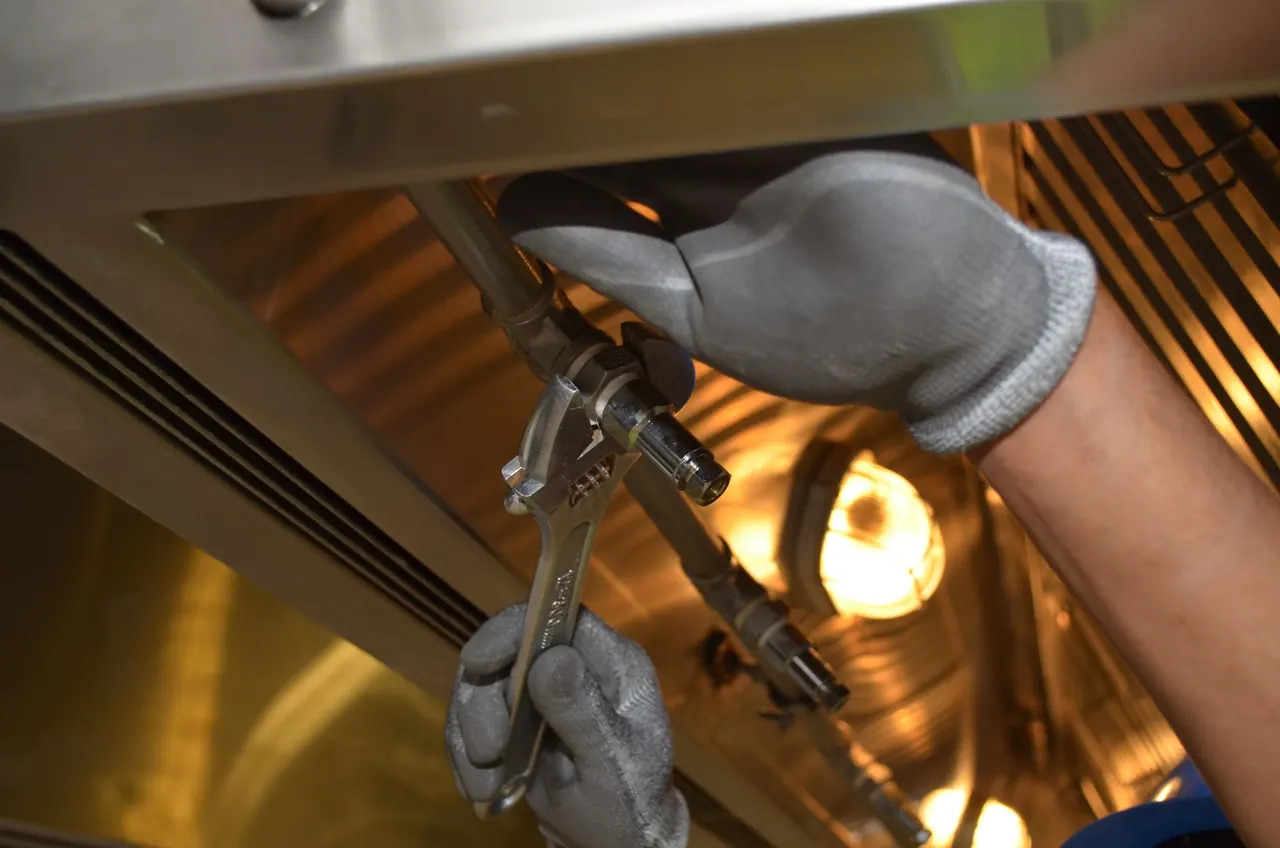
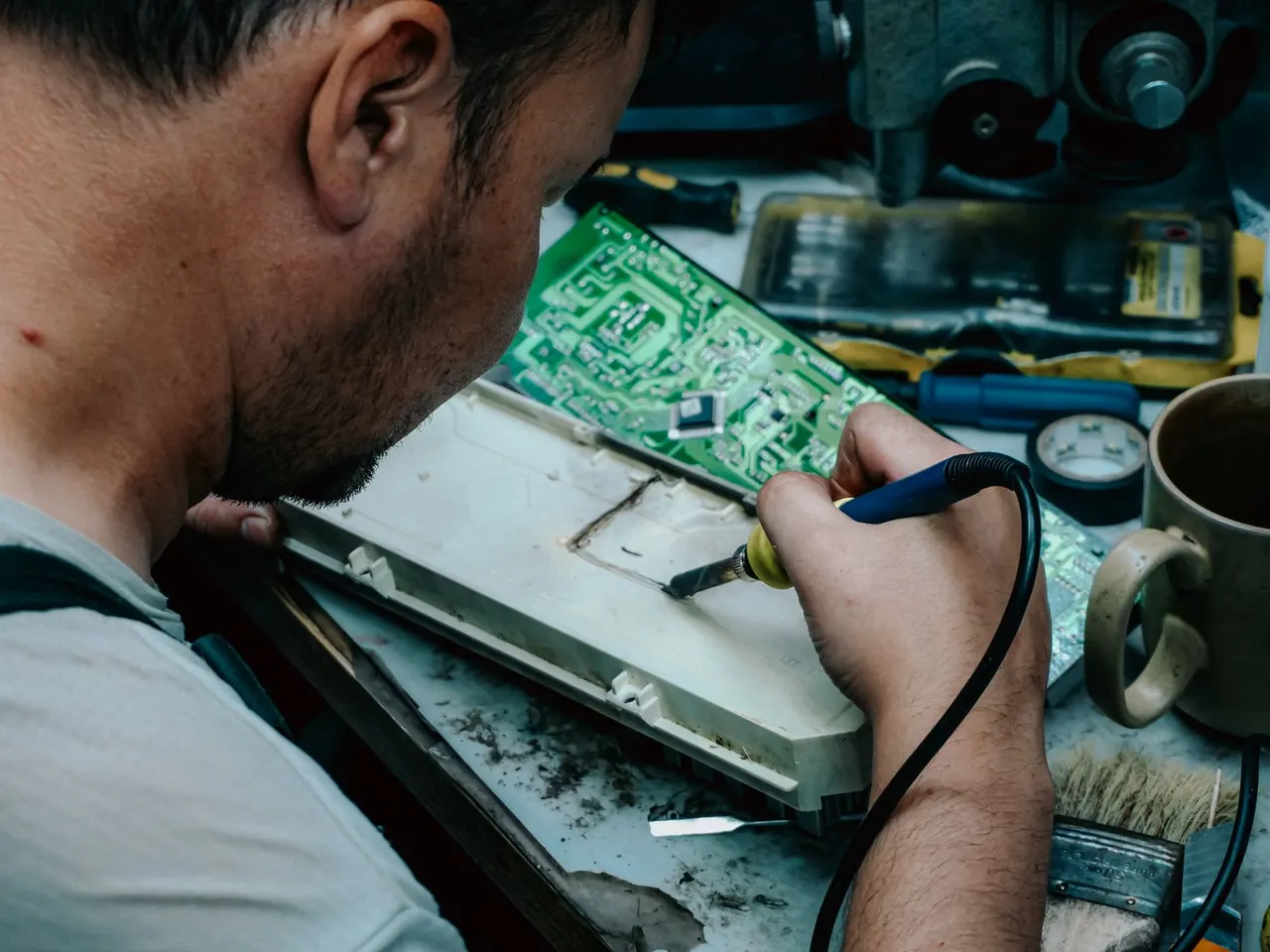
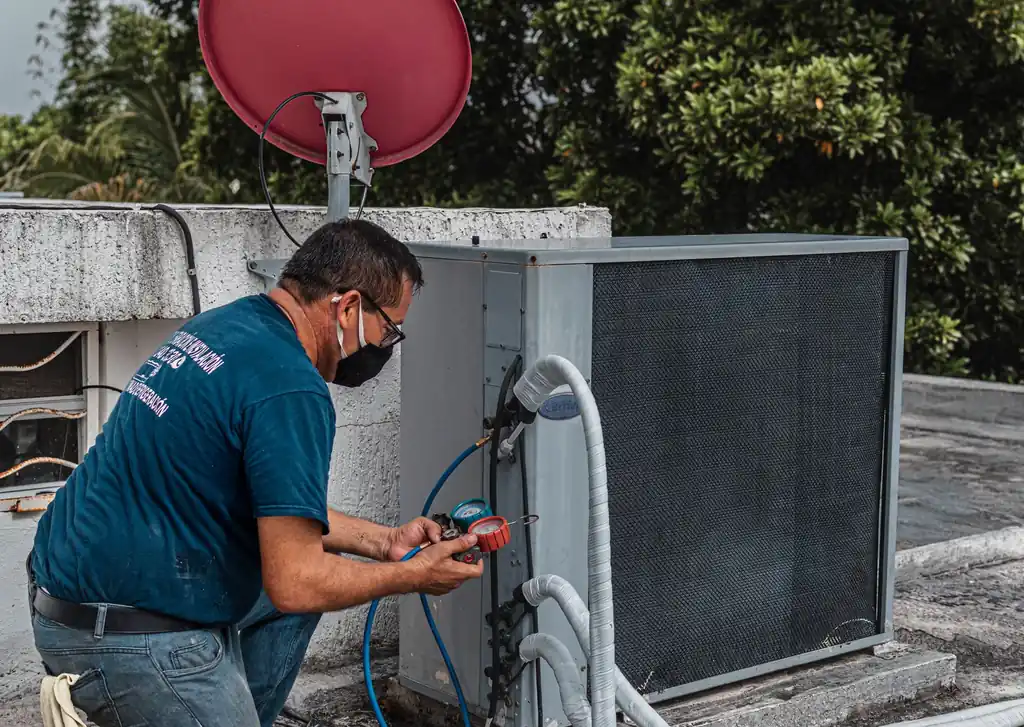
We service furnaces and rooftop units for shops, offices, and rental properties. We document each repair so you have records for your files.
A plain-language look at what Furnace Pilot Light Repair involves and when it is needed.
See how it worksFurnace pilot light repair Pocatello ID is the diagnostic and repair service that restores a standing pilot flame so your furnace can ignite and heat your home. A pilot light that keeps going out usually points to a failed thermocouple, a dirty flame sensor, a weak gas valve, or a draft issue. We test each component with a thermocouple tester and multimeter, then replace only what has actually failed.
Pocatello winters drop below zero, and a furnace that won't light is more than an inconvenience. Older homes in Old Town and the University Area often run standing-pilot furnaces from Lennox, Carrier, and Rheem that need pilot assembly Pocatello ID service as they age. If you're searching for furnace pilot light repair near me Pocatello ID, our team covers every neighborhood from Highland to Alameda and out to Chubbuck.
A pilot light that keeps going out is a symptom; we find and fix the failed part.
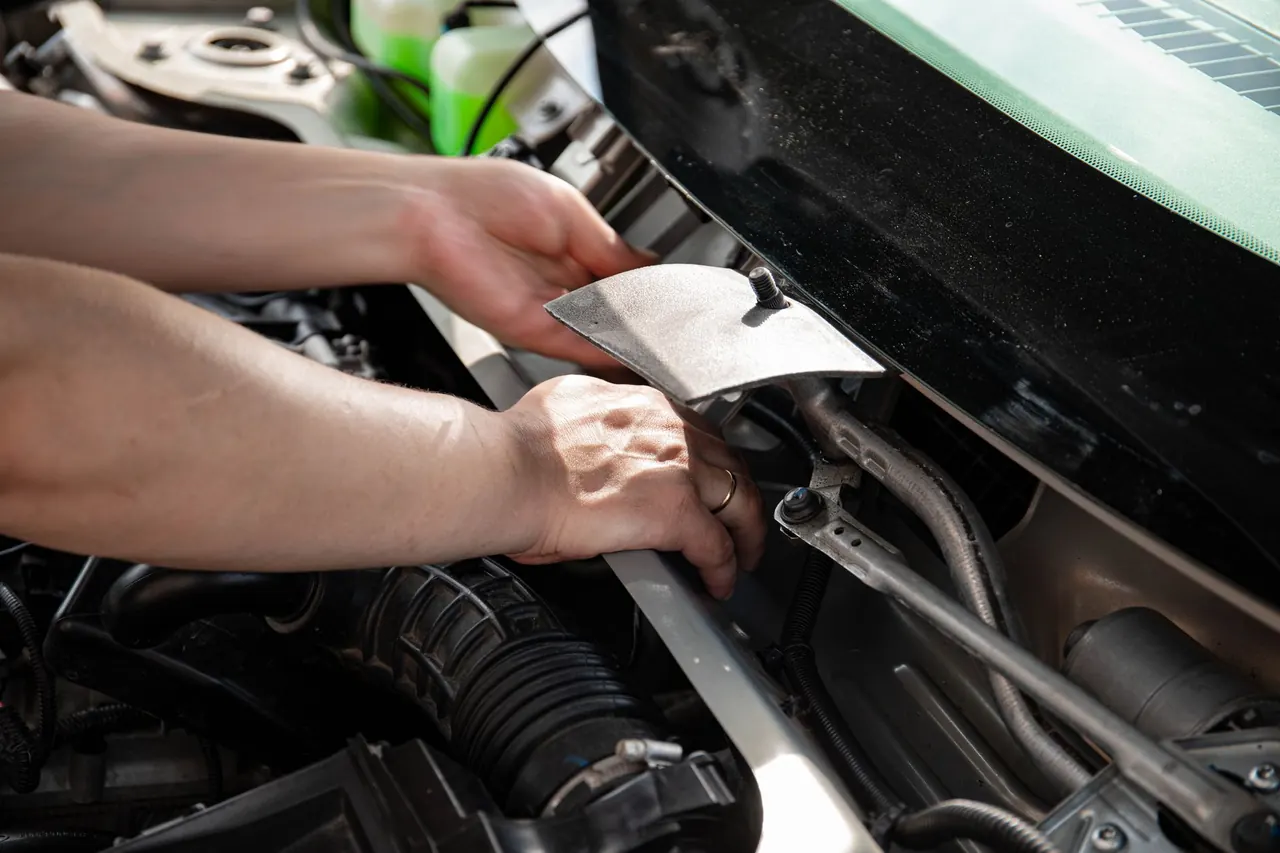
From your first call to the final test, here is how a furnace pilot light repair visit runs in Pocatello.
Call (208) 764-8111 and describe what your furnace is doing. We ask about the brand, the age, and whether the pilot goes out immediately or after running a while. You get a same-day window, usually within a few hours.
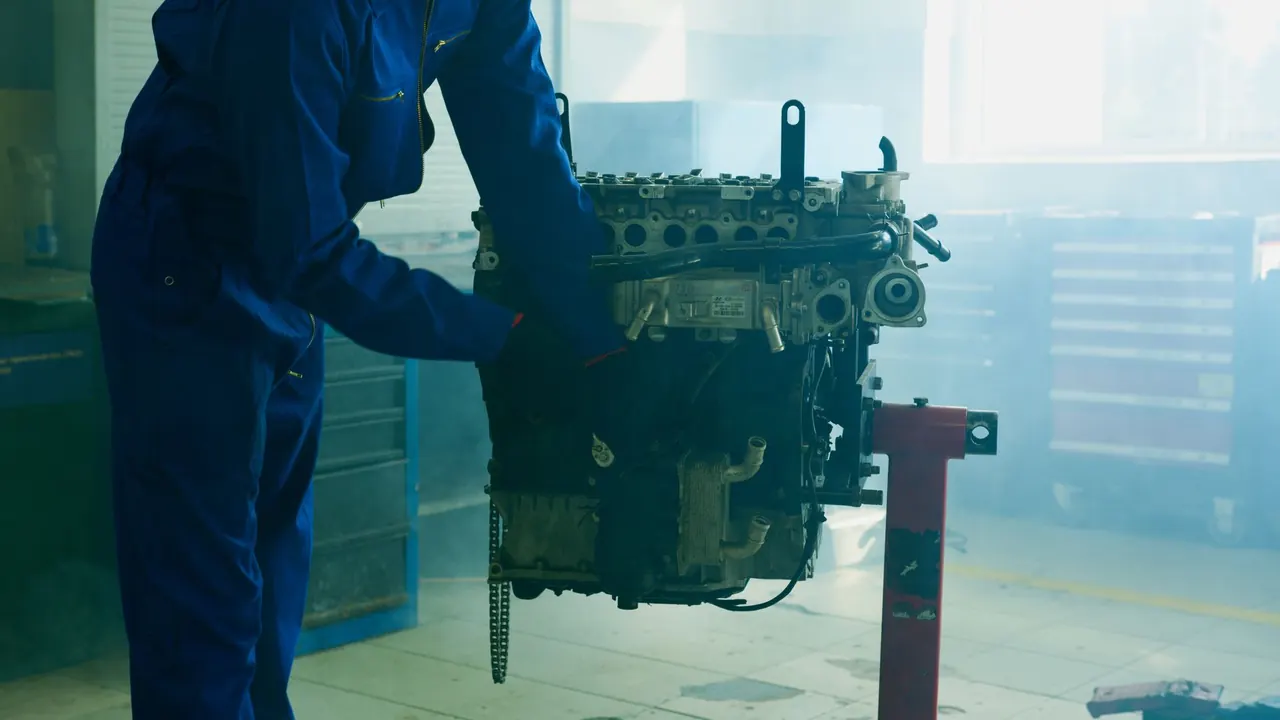
The technician inspects the pilot assembly, tests the thermocouple with a thermocouple tester, checks the flame sensor, and reads gas pressure with a manifold gauge set. This takes 20 to 40 minutes and pinpoints the failure.
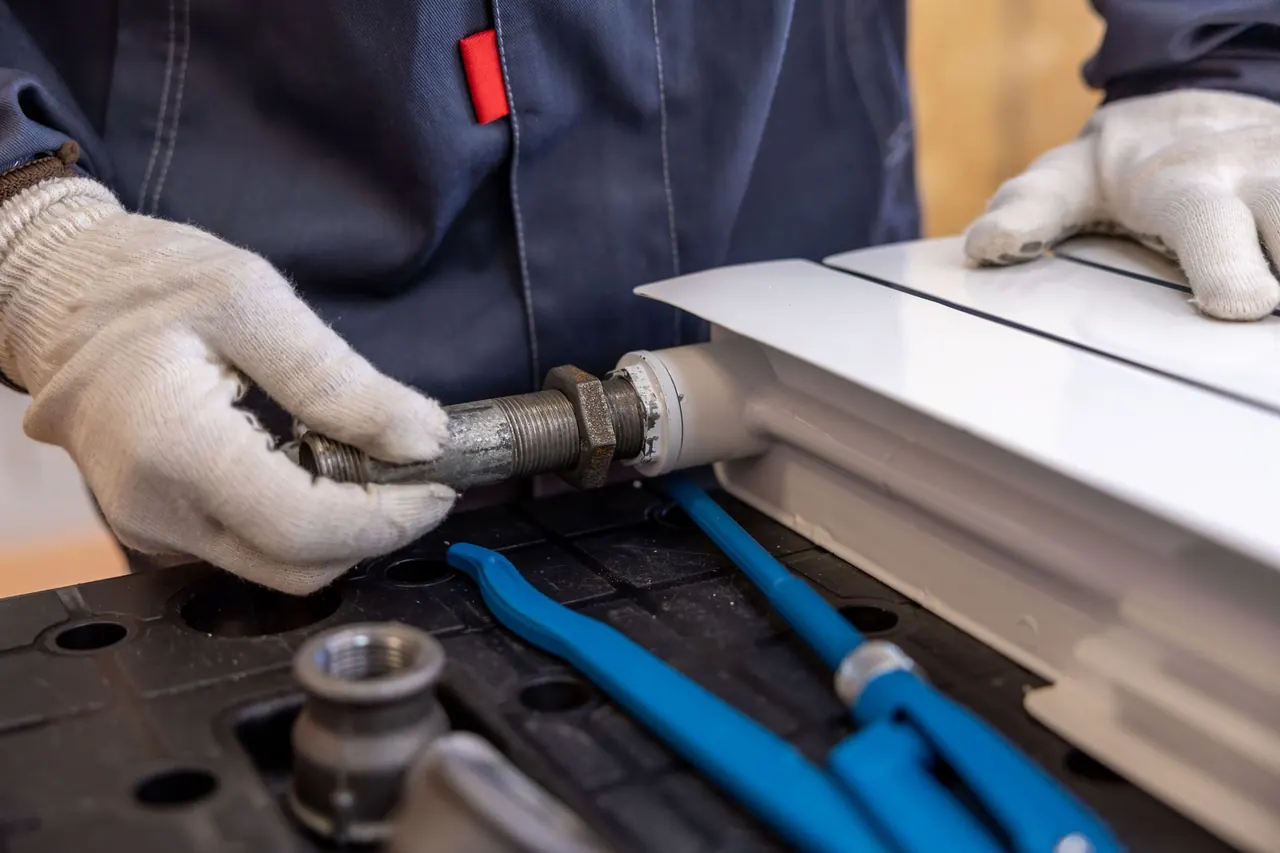
We replace the failed thermocouple, flame sensor, igniter, or gas valve using OEM-grade parts. Most repairs take 45 to 90 minutes. If a control board or inducer motor is also failing, we quote that before proceeding.
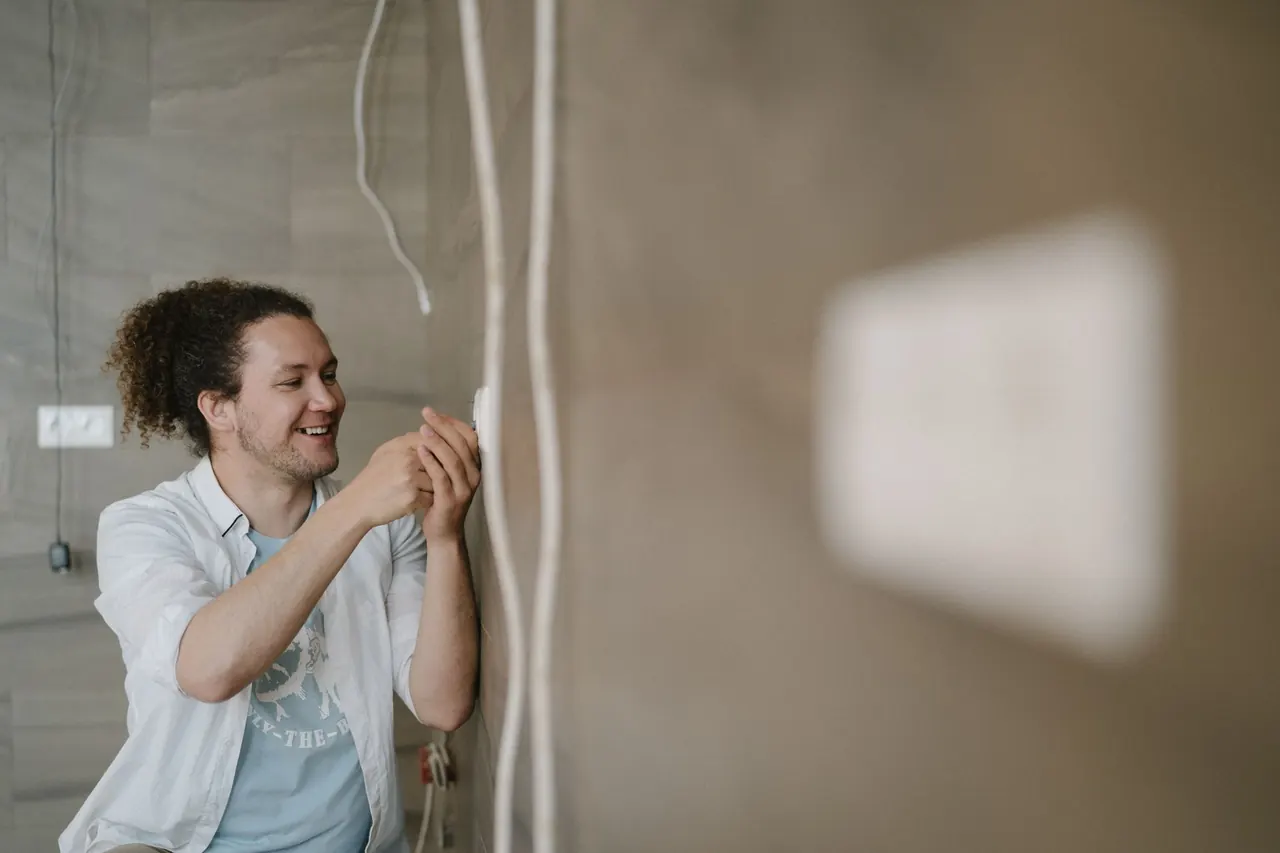
After the repair, we run a combustion analyzer, check for gas leaks, and verify the flame sensor reading. We also inspect the heat exchanger and limit switch. This step takes 15 to 20 minutes and confirms the furnace is safe to run.
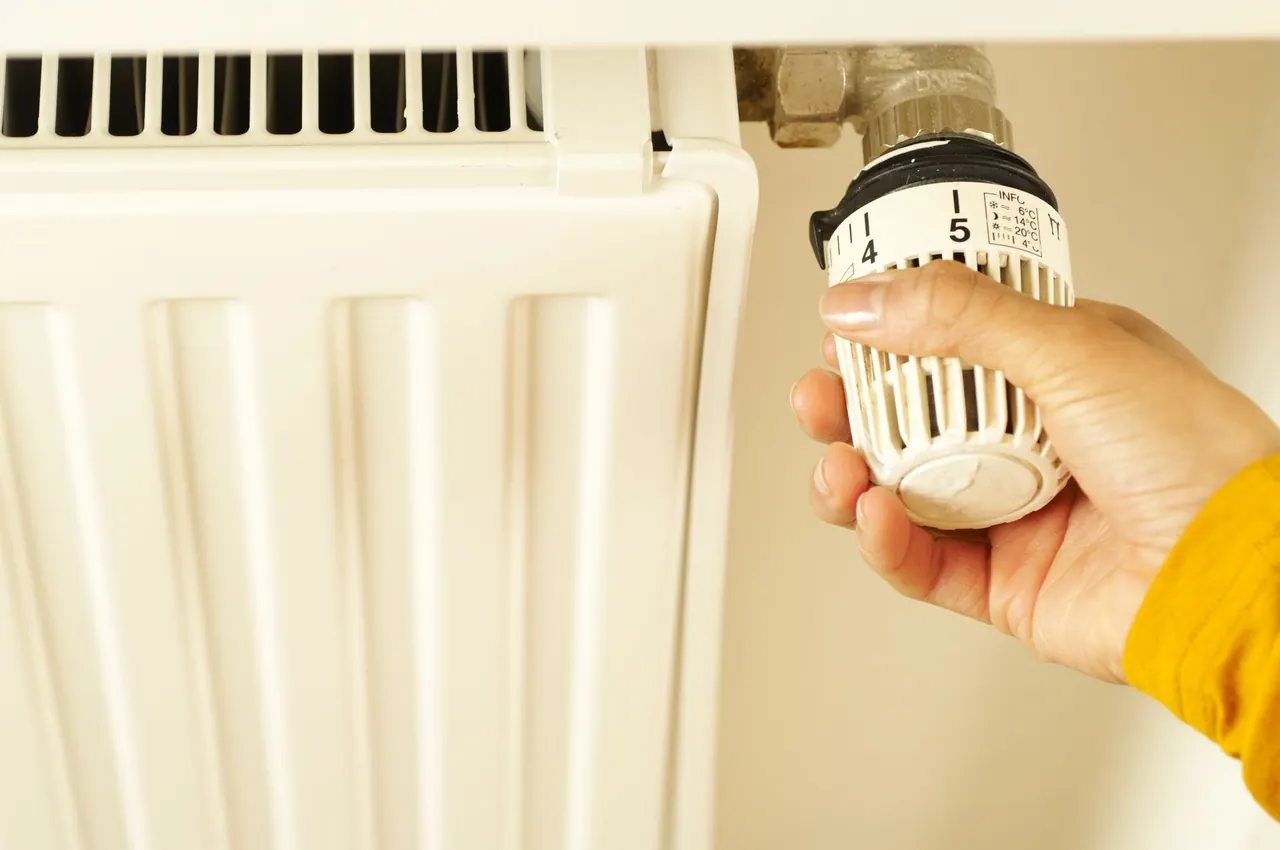
We cycle the furnace through three full heating cycles to confirm the pilot stays lit. Then we show you what failed, what we replaced, and how to keep it running. You get a written summary before we leave.
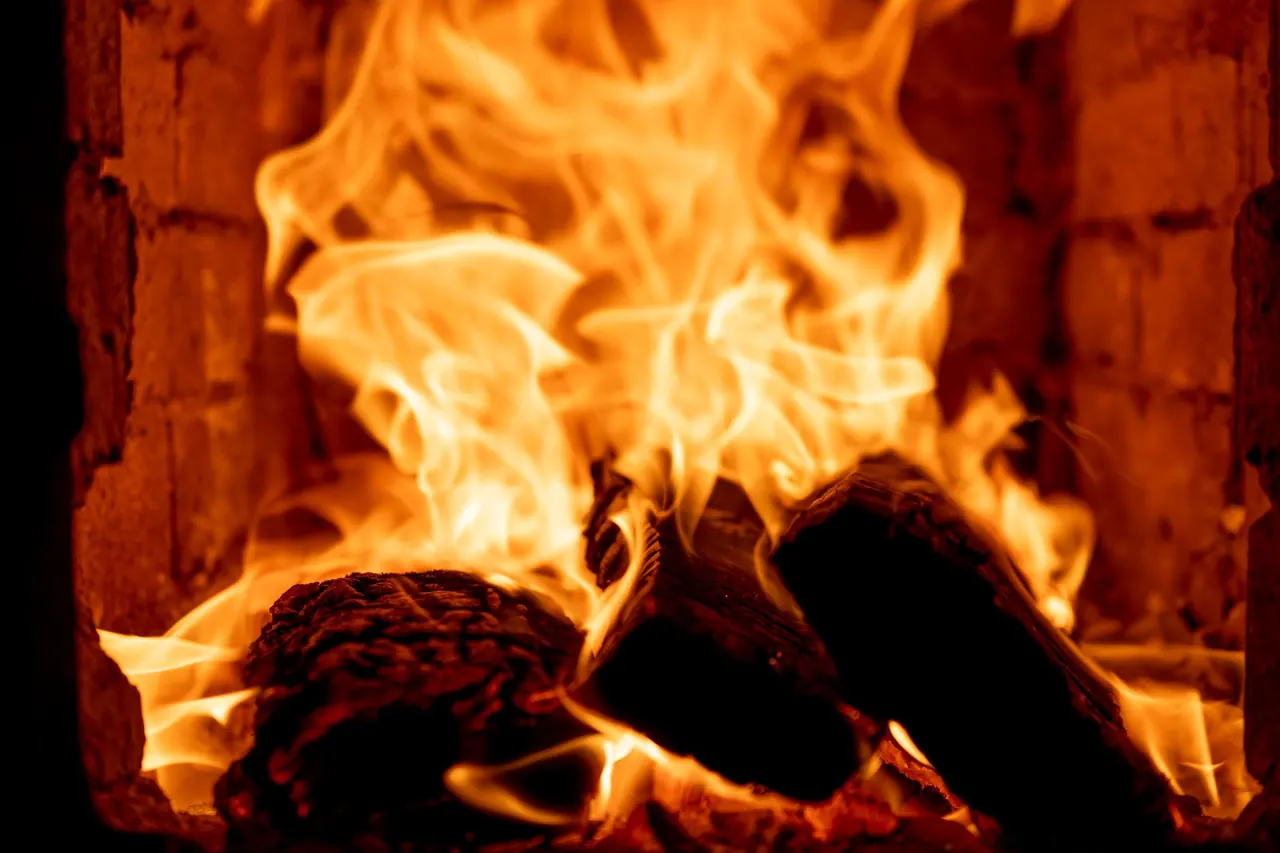
Move across a circle, or focus it and press Enter, for an illustrative thermal view of the photograph.
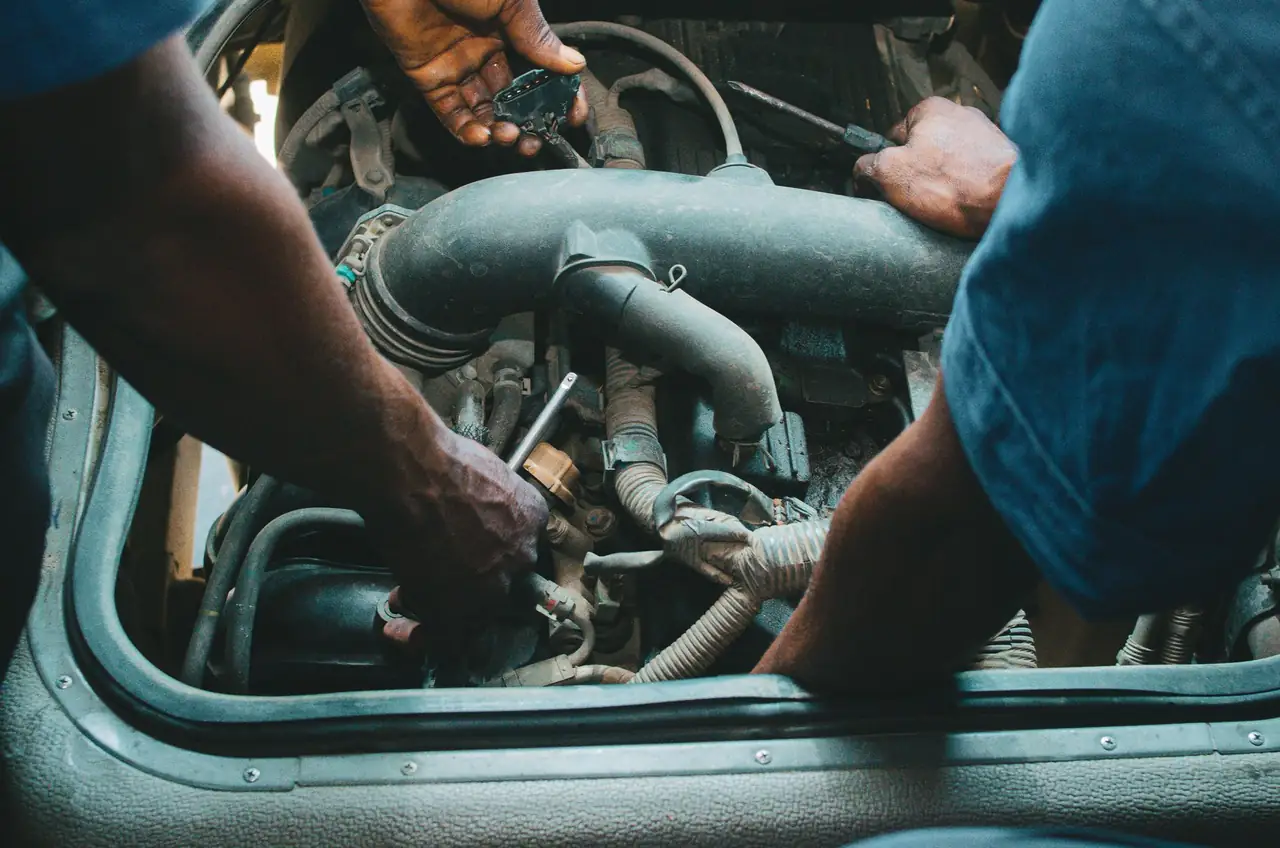
Measures millivolt output from the thermocouple to confirm whether it can hold the gas valve open. This is the first test on most pilot light calls.
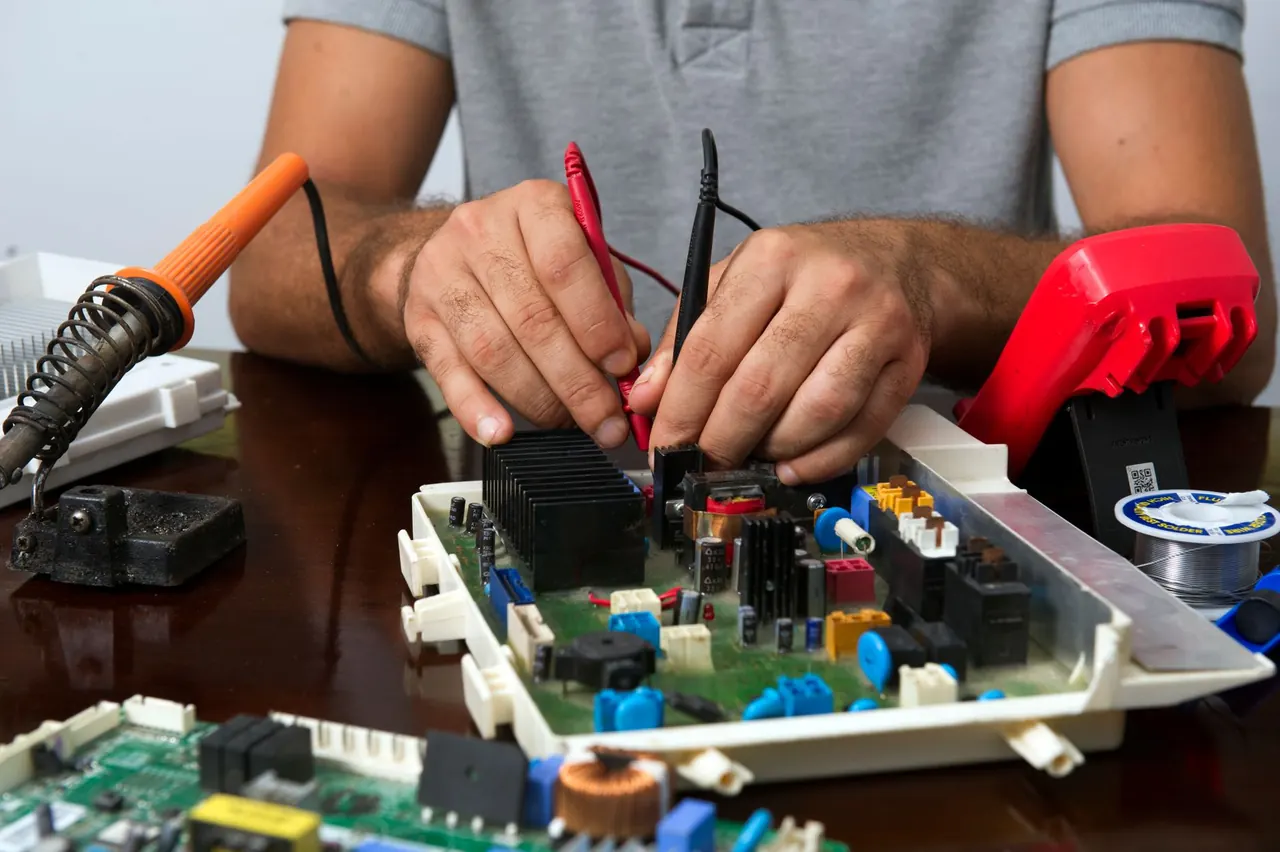
Checks flame sensor microamps, voltage at the gas valve, and continuity through the control board and limit switch.
Verifies inlet and manifold gas pressure against the furnace rating plate. Incorrect pressure causes pilot and burner problems.
Confirms safe combustion after a repair by measuring carbon monoxide and oxygen levels in the flue gas.
Sniffs every gas fitting we touch to confirm there are no leaks before we leave the job.
Thermal views are illustrative, generated from the photographs.
Reads flame signal strength to determine whether the sensor needs cleaning or replacement.
Measures current draw on the blower motor and inducer motor to catch failing components early.
We follow a step-by-step diagnostic order: pilot flame quality, thermocouple output, flame sensor signal, gas pressure, then ignition and blower. This prevents parts swapping and finds the root cause fast.
We size, test, and verify repairs against ACCA quality standards, including temperature rise checks and airflow verification after any pilot or ignition repair.
Our technicians follow EPA Section 608 practices for gas and refrigerant handling, and we pressure-test every gas connection we open.
We follow OSHA safety compliance on every job, including lockout procedures, gas leak checks, and carbon monoxide testing before we restore service.
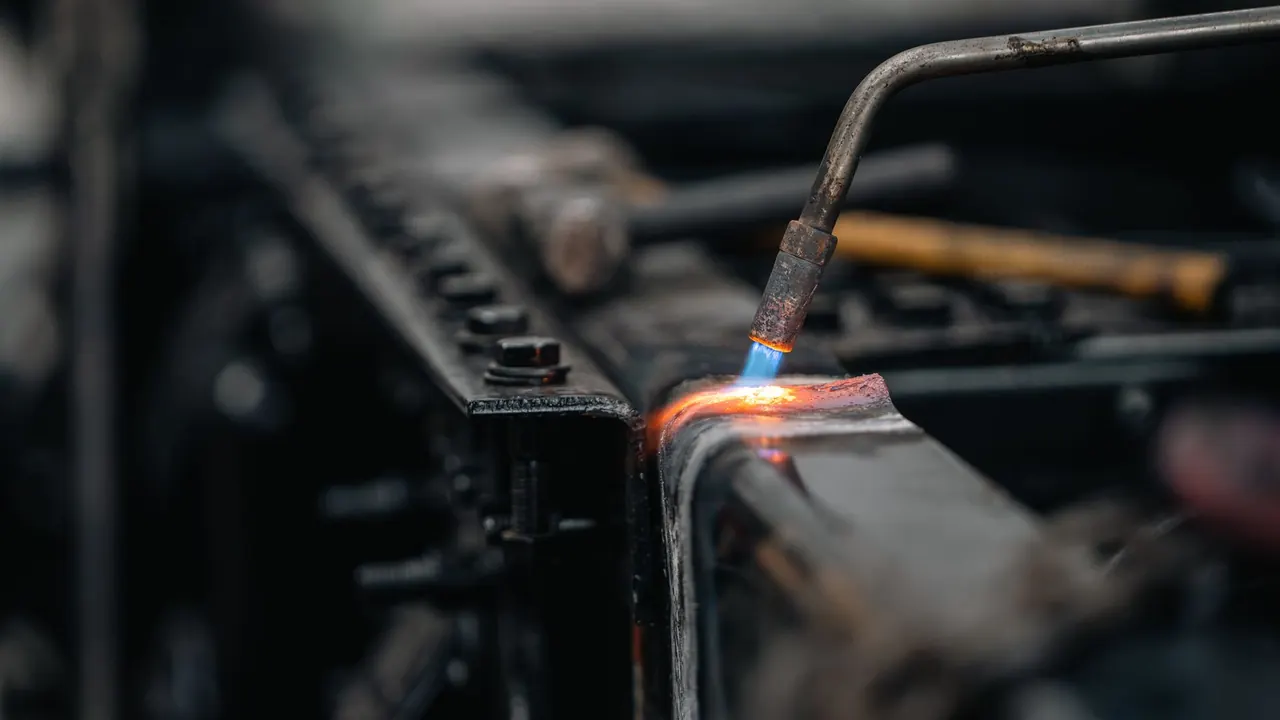
Your pilot light goes out overnight and the house is cold by morning in January.
Call us first thing. We schedule same-day furnace pilot light repair Pocatello ID and usually arrive within a few hours. The technician tests the thermocouple and flame sensor, replaces the failed part, and confirms the pilot holds through three cycles.
Outcome: You get heat back the same day, often before lunch, and a clear explanation of what failed.
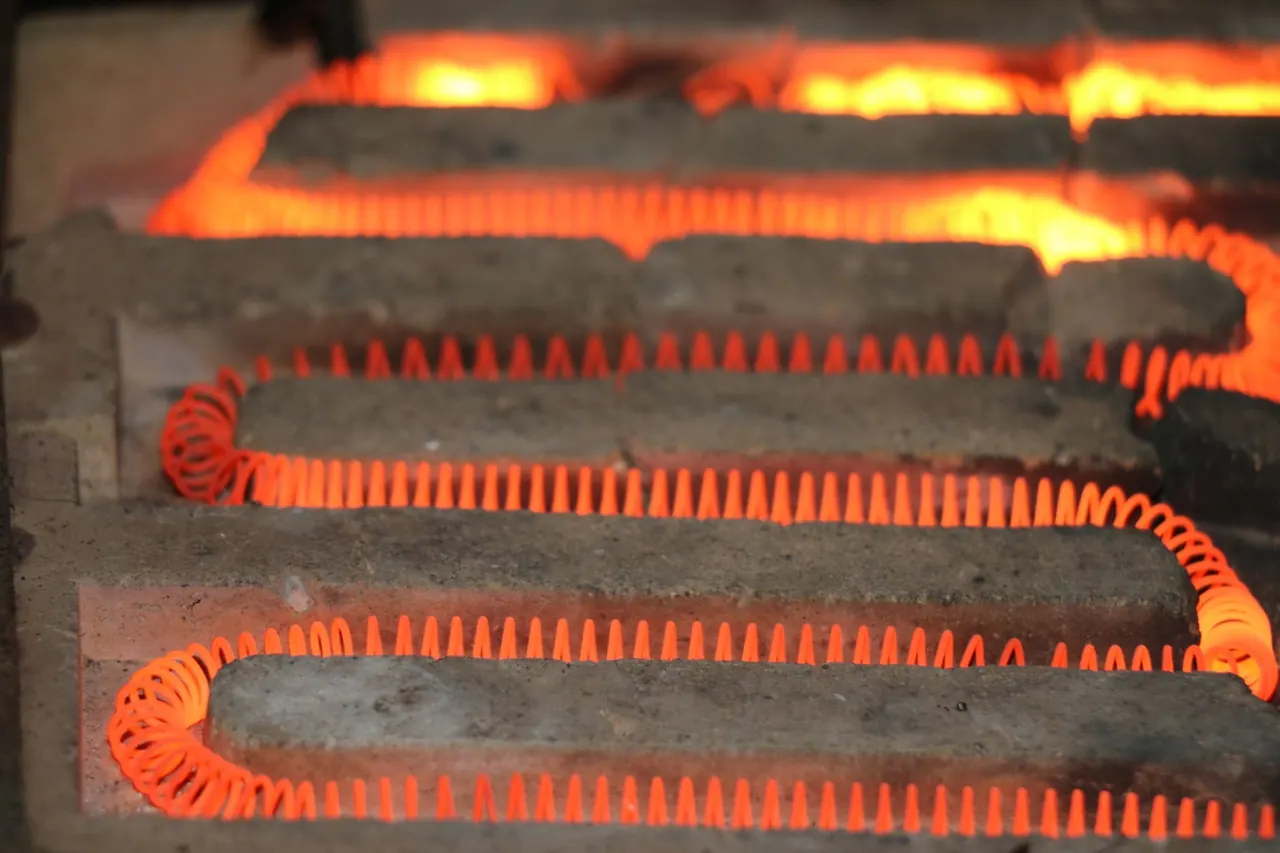
You relight the pilot, it stays lit for a day, then goes out again.
That pattern almost always means a weak thermocouple. We test millivolt output with a thermocouple tester and replace the thermocouple if it is below spec. We also clean the pilot orifice and check gas pressure.
Outcome: The pilot stays lit through the heating season, and you stop resetting it every morning.
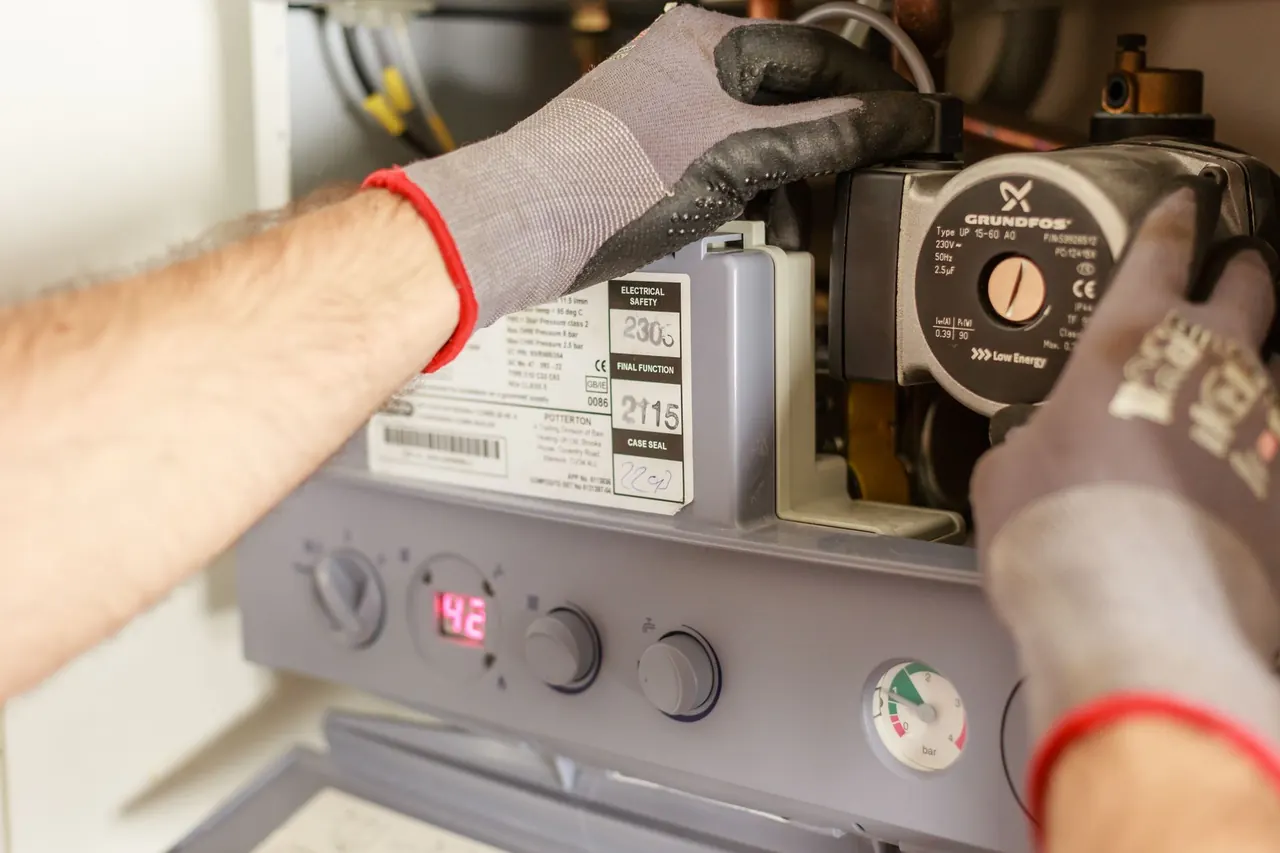
Your furnace clicks and the pilot lights, but you get cold air from the vents.
We check the flame sensor, gas valve, and blower motor. A dirty flame sensor or a failing blower capacitor can cause this. We clean or replace the sensor and test the blower circuit.
Outcome: Warm air returns to every room, and the furnace runs a full heating cycle without shutting down early.
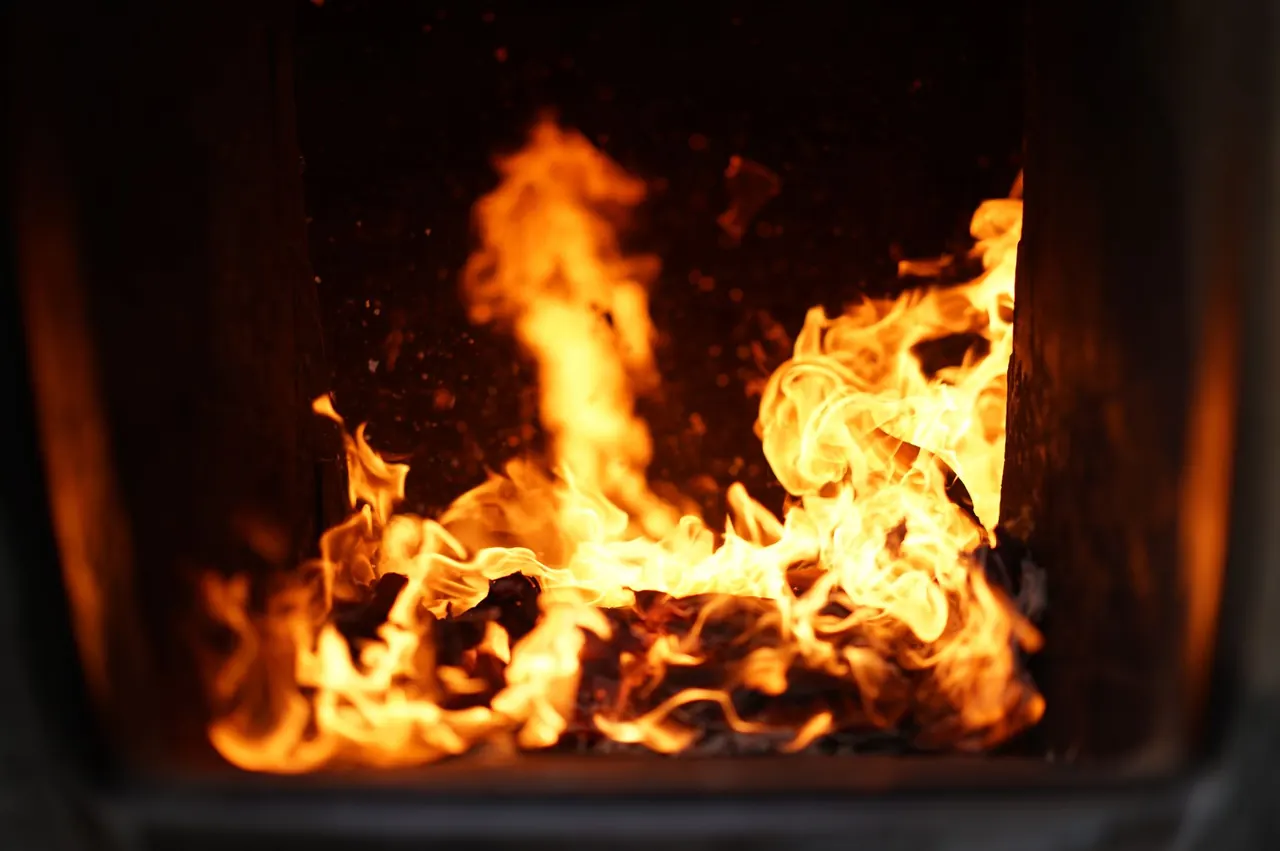
You manage a rental in Chubbuck and the tenant reports no heat.
We prioritize no-heat calls for rental properties. We diagnose the pilot or ignition fault, repair it, and leave a written summary you can keep for your records. We also note any deferred maintenance we see.
Outcome: Your tenant gets heat the same day, and you have documentation for the repair.
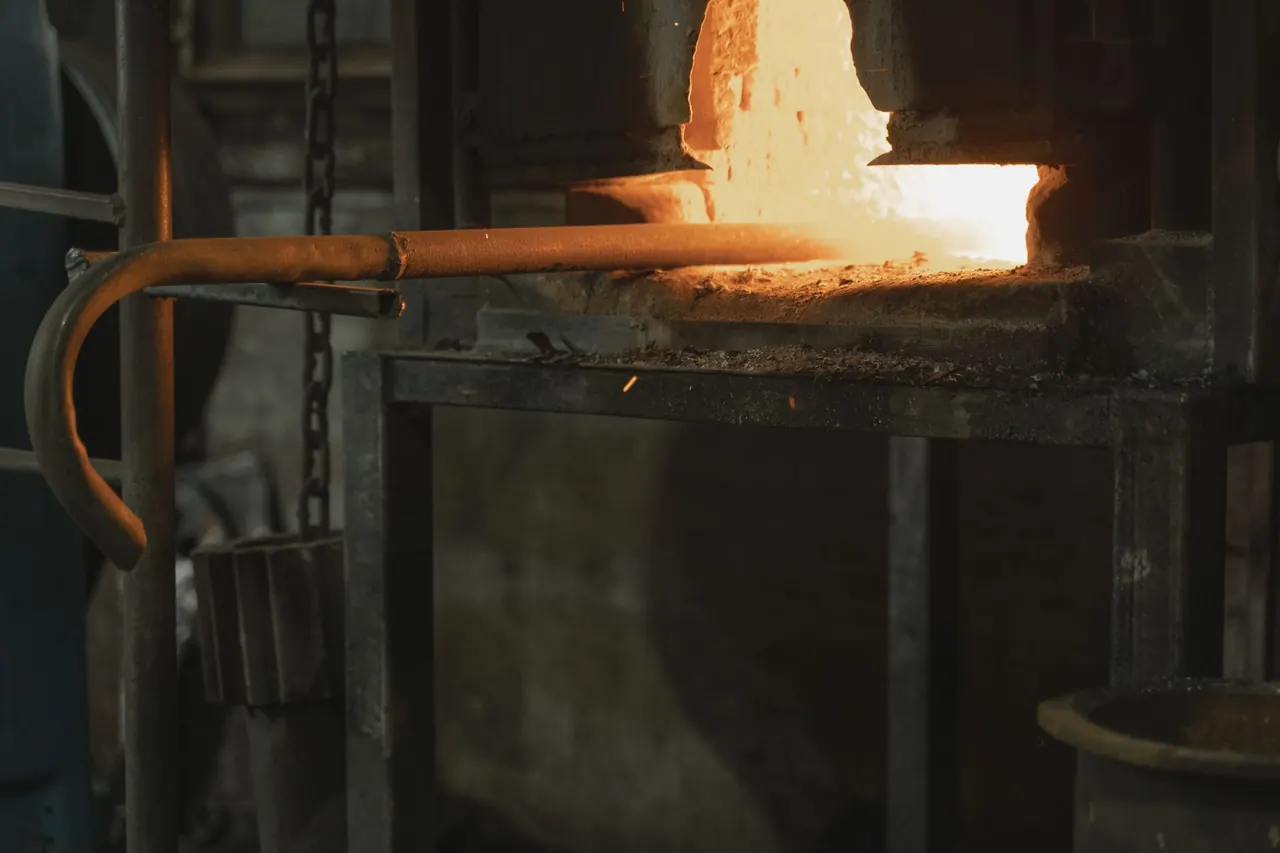
Your older Lennox or Rheem furnace has a standing pilot that needs annual attention.
We perform a pilot assembly Pocatello ID service that includes thermocouple testing, orifice cleaning, gas pressure checks, and a heat exchanger inspection. We replace worn parts before they fail mid-winter.
Outcome: Fewer mid-season breakdowns and a furnace that lights reliably all winter.
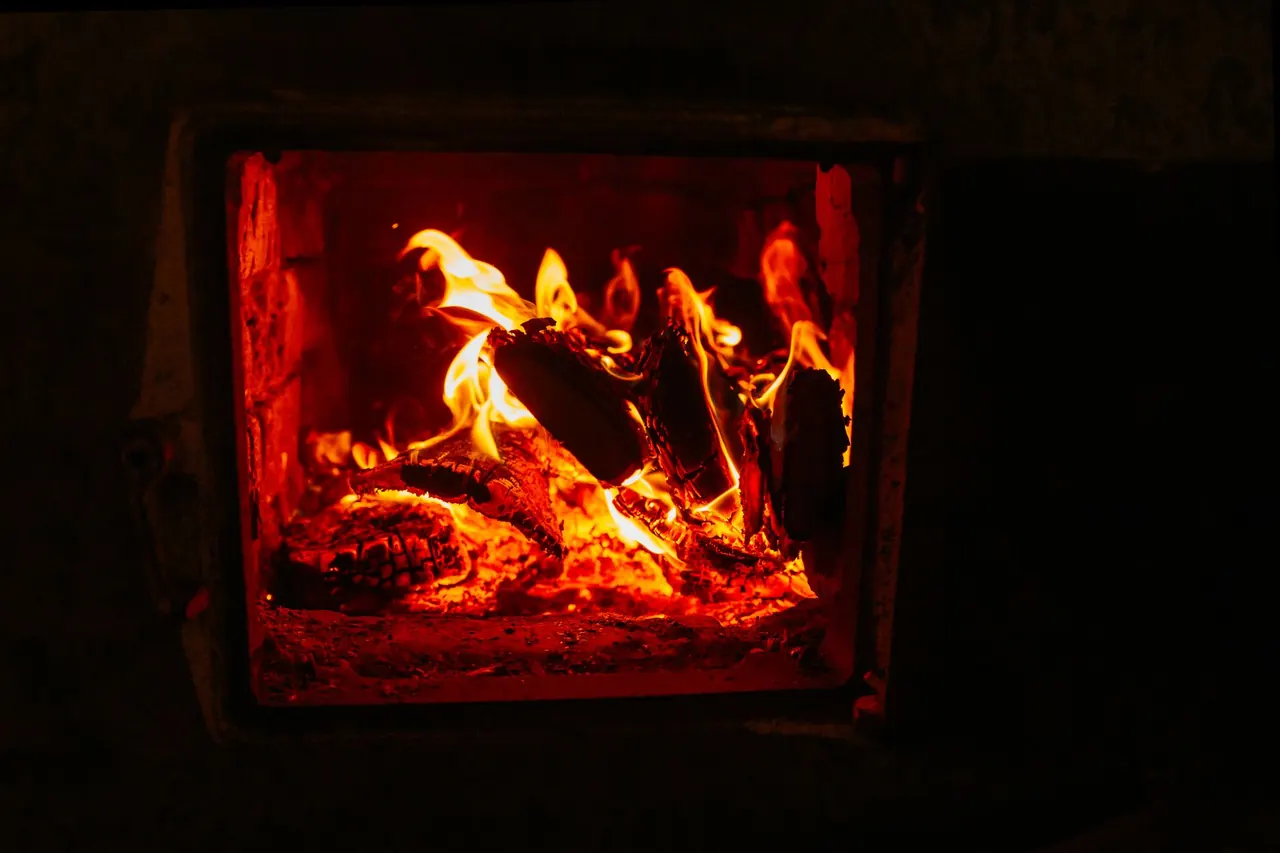
Pocatello's cold winters and older housing stock shape how we handle furnace pilot light repair Pocatello ID. Many homes in Old Town and the University Area still run standing-pilot furnaces from Lennox, Carrier, and Rheem, and those units need thermocouple and pilot assembly service as they age. Newer homes in Highland and Pocatello Creek often have electronic ignition systems, which fail differently.
We carry parts for both. Our trucks are stocked for furnace pilot repair Pocatello Idaho calls daily, and we know the local gas pressure quirks that come with altitude and older service lines. If you need affordable furnace pilot light repair in Pocatello ID, we quote before we start and verify the repair with a combustion analyzer.
We also serve Lewisville, Tyhee, and Mink Creek, where propane systems are more common.
Before: A homeowner in Highland called us after relighting the pilot every night for a week. The thermocouple was putting out 12 millivolts, far below the 25 to 30 millivolts needed to hold the gas valve open. The pilot orifice was also partially clogged.
After: We replaced the thermocouple, cleaned the pilot orifice, and verified gas pressure. The pilot held through three heating cycles. The furnace has run all winter without a single outage.
We recommend a thermocouple check every two years and a pilot orifice cleaning each fall before the heating season starts.
Before: An Alameda homeowner had a pilot that lit fine but the furnace blew cold air. The flame sensor was coated with carbon and reading only 1.2 microamps, below the 4 to 6 microamp range most boards need. The furnace was locking out after 10 seconds.
After: We cleaned the flame sensor, verified the signal at 5.8 microamps, and checked the blower capacitor. Warm air returned to every room, and the furnace ran full cycles without locking out.
We suggest checking the flame sensor each fall and replacing the air filter every 60 to 90 days to reduce carbon buildup.
Before: A property manager in Chubbuck had a tenant with no heat in a Goodman furnace. The pilot would light but go out when the blower started. We found a weak inducer motor pulling high amps and a partially blocked flue.
After: We replaced the inducer motor, cleared the flue, and tested the pilot through three cycles. The tenant had heat the same afternoon, and the property manager received a written summary for the file.
We recommend annual inducer motor amp checks and flue inspections on rental furnaces to catch failures before winter.
A pilot light that won't stay lit is a symptom, not the problem. Here are the common failures we diagnose and repair for Pocatello homeowners.
A pilot that holds and heat that stays on all winter.
We stock thermocouples, flame sensors, and igniters on every truck, so most pilot light repairs finish in one visit. You get heat back the same day you call, often within two to four hours of arrival.
We do not just relight the pilot and leave. Our technicians use a multimeter and thermocouple tester to find why the flame keeps dying, whether that is a cracked thermocouple, a dirty flame sensor, or a failing gas valve.
Every visit includes a gas leak detector check and a visual inspection of the heat exchanger and flue. If we spot a cracked heat exchanger or a limit switch tripping, we explain the risk before we touch anything else.
You get a clear price before work starts.
What a written scope covers and what shapes it. Prices are set by the business after the first look.
Included
Depends on
Clear records you can keep and share.
What failed and what we replaced
Thermocouple and flame sensor values
Gas leak and combustion check results
Filter and pilot care schedule
Knowing which ignition system your furnace uses helps you understand what can fail and what a repair involves.
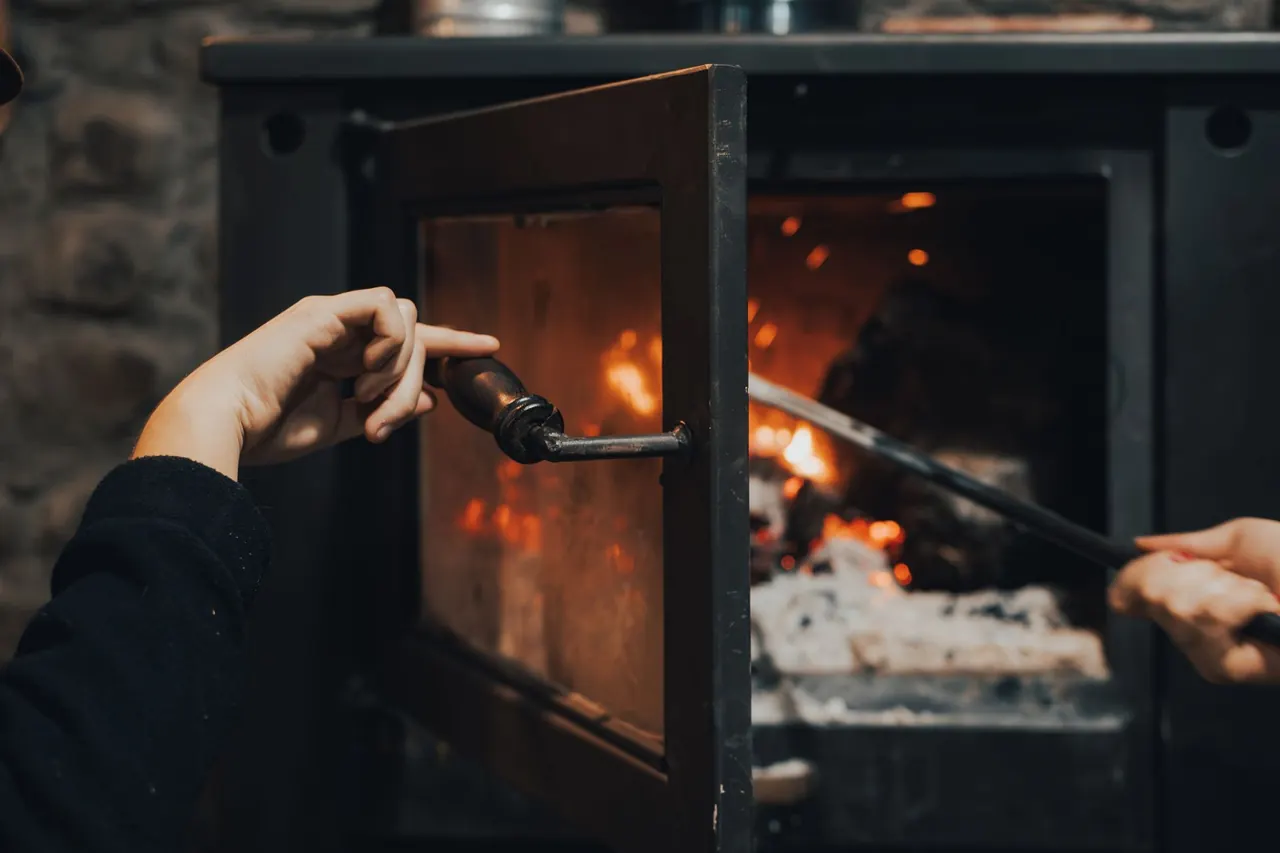
A small flame burns constantly to light the burners.
An igniter lights the burners only when heat is called.
Parts that fail on both system types.
A list like this tells people straight away whether you cover their street. Not listed? Call and ask: it only takes a minute.
Based in Pocatello and covering the places around it. Pick one for local details.
A thermocouple or flame sensor replacement sits at the low end. A gas valve or control board replacement pushes toward the higher end. We give you the price before we start work, and there is no charge for the diagnosis if you approve the repair.
The most common cause is a worn thermocouple that stops generating enough millivolts to hold the gas valve open. A dirty flame sensor, a weak gas valve, or a draft from a cracked flue can also blow out the pilot. We test each component with a thermocouple tester and multimeter to find the exact cause instead of guessing.
Pocatello Furnace Repair Pros repairs furnace pilot lights across Bannock County, including Downtown, Old Town, Highland, Alameda, Chubbuck, and Lewisville. We handle standing-pilot and electronic ignition systems from all major brands. Call (208) 764-8111 for same-day service.
You can try relighting a standing pilot by following the label on the furnace, but if it goes out again within a day, stop. Repeated pilot outages usually mean a failed thermocouple or a gas valve issue that needs a thermocouple tester and gas pressure gauge to diagnose. Call us before you keep resetting it, especially if you smell gas.
Other services from the same team.
Don't spend another cold night resetting a pilot light that won't stay lit. Call Pocatello Furnace Repair Pros at (208) 764-8111 for same-day furnace pilot repair in Pocatello. We diagnose the real cause, fix it right, and verify your furnace is safe before we leave.
Call us at (208) 764-8111 or email info@pocatellofurnacerepairpros.com. We answer calls Monday through Friday, 8 a.m. to 6 p.m., and we offer emergency service for no-heat calls. If you need furnace repair in Pocatello, ID, reach out and we will get you scheduled.