For Homes
We repair flame sensors in houses, apartments, and rentals across Pocatello. You get a clear explanation of what failed and what it takes to fix it.
- Furnace lights then quits
- Short cycling every few minutes
- No heat on a cold morning
When your furnace lights for a few seconds and then quits, the flame sensor is usually the culprit. Our furnace flame sensor repair Pocatello ID service covers diagnosis, cleaning, and flame sensor replacement in Pocatello Idaho, often the same day you call. We work on Lennox, Carrier, Trane, Goodman, Rheem, and Bryant furnaces in homes from Old Town to Chubbuck, and we tell you the price before we start.
 Test microamp outputCheck gas pressureVerify three cycles
Every flame sensor call includes a full ignition circuit check, not just a part swap. Here is what is covered in a standard visit, and what we treat as a separate repair if we find it.
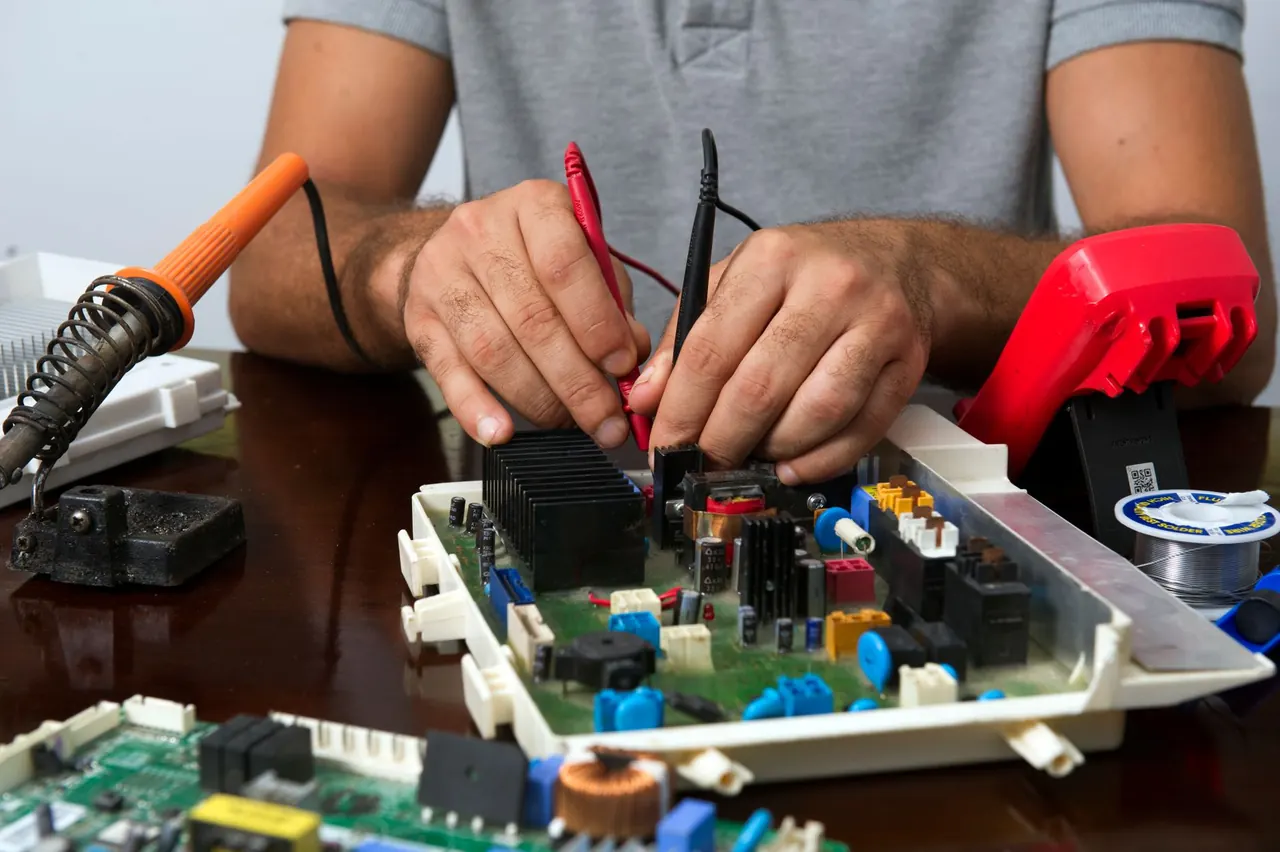
We watch the ignition sequence, measure flame sensor microamp output with a multimeter, and test the igniter and gas valve. This tells us whether the sensor is the problem or just a symptom of something else.
If the sensor reads within spec after cleaning, you keep it. If output is below the manufacturer minimum, we install a new sensor matched to your furnace brand. Most replacements take about 20 minutes.
We connect a manifold gauge set and verify manifold and inlet pressure against the furnace data plate. Incorrect pressure is one of the most common reasons a flame sensor fouls early, and it is a safety issue on its own.
We visually inspect the heat exchanger for cracks or soot while the burner cover is off. A cracked exchanger can foul the sensor and is a carbon monoxide risk, so we tell you plainly what we find.
We confirm the limit switch, rollout switch, and inducer motor are working together. A tripping limit switch causes the same short cycling as a bad sensor, and we rule it out before we finish.
Before we leave, we run the furnace through three full heating cycles and confirm the flame holds every time. You see the furnace start and stay lit, not just hear us say it works.
The approach is the same for a home and a business. What changes is the access, the schedule and who needs the paperwork.
We repair flame sensors in houses, apartments, and rentals across Pocatello. You get a clear explanation of what failed and what it takes to fix it.
We service rooftop units and unit heaters for shops and offices around Pocatello. Work is scheduled around your hours so tenants and customers stay comfortable.
A plain-language look at what Furnace Flame Sensor Repair involves and when it is needed.
See how it worksFurnace flame sensor repair Pocatello ID is a diagnostic and repair service that restores the safety signal telling your furnace a flame is actually burning. The sensor is a short metal rod sitting in the burner flame. It sends a tiny current back to the control board. When that signal drops, the board shuts the gas valve within seconds to prevent unburned gas from pooling. That is why a dirty or failed sensor causes ignition failure, short cycling, and a furnace blowing cold air.
In Pocatello, most flame sensor calls come in from October through March, when furnaces run nonstop and a thin layer of carbon builds on the rod. We see it constantly in older homes around University Area and Alameda, where furnaces cycle hard through single-digit nights. If you are searching for furnace flame sensor repair near me Pocatello ID, we can usually get a tech to your door the same day and have heat back on within a couple of hours.
A flame sensor proves the burner lit; when it fails, the furnace shuts down to stay safe.
You get a clear sequence from the first phone call to the final test. No mystery, no waiting around wondering what the tech is doing.
You describe the symptoms: furnace not turning on, short cycling, or lighting then quitting. We ask for your furnace brand and address, then give you a two-hour arrival window. Most Pocatello calls get a tech out the same day, including evenings during cold snaps.
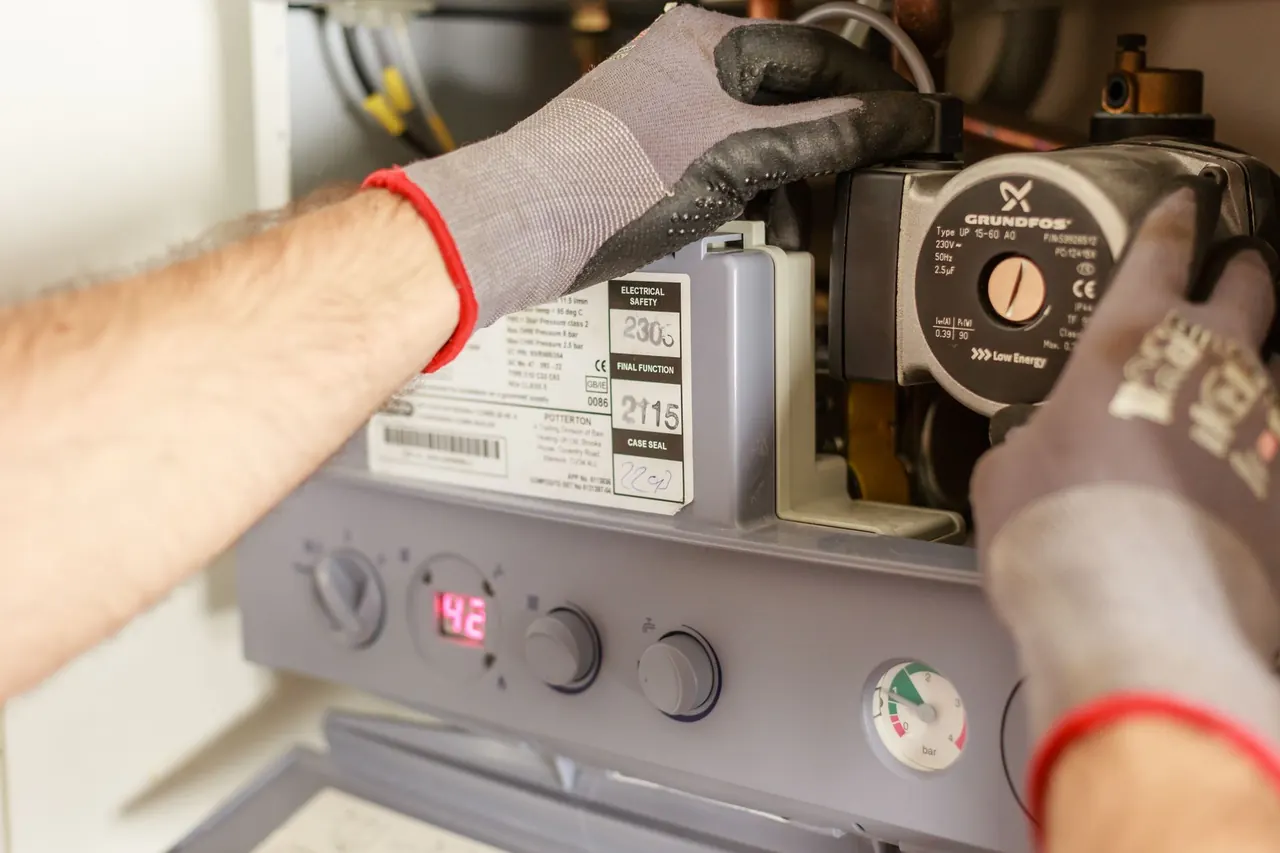
The tech pulls the burner cover, watches the ignition sequence, and measures flame sensor microamp output with a multimeter. This takes 15 to 20 minutes. You get a plain explanation of what failed and what it costs to fix before any work starts.
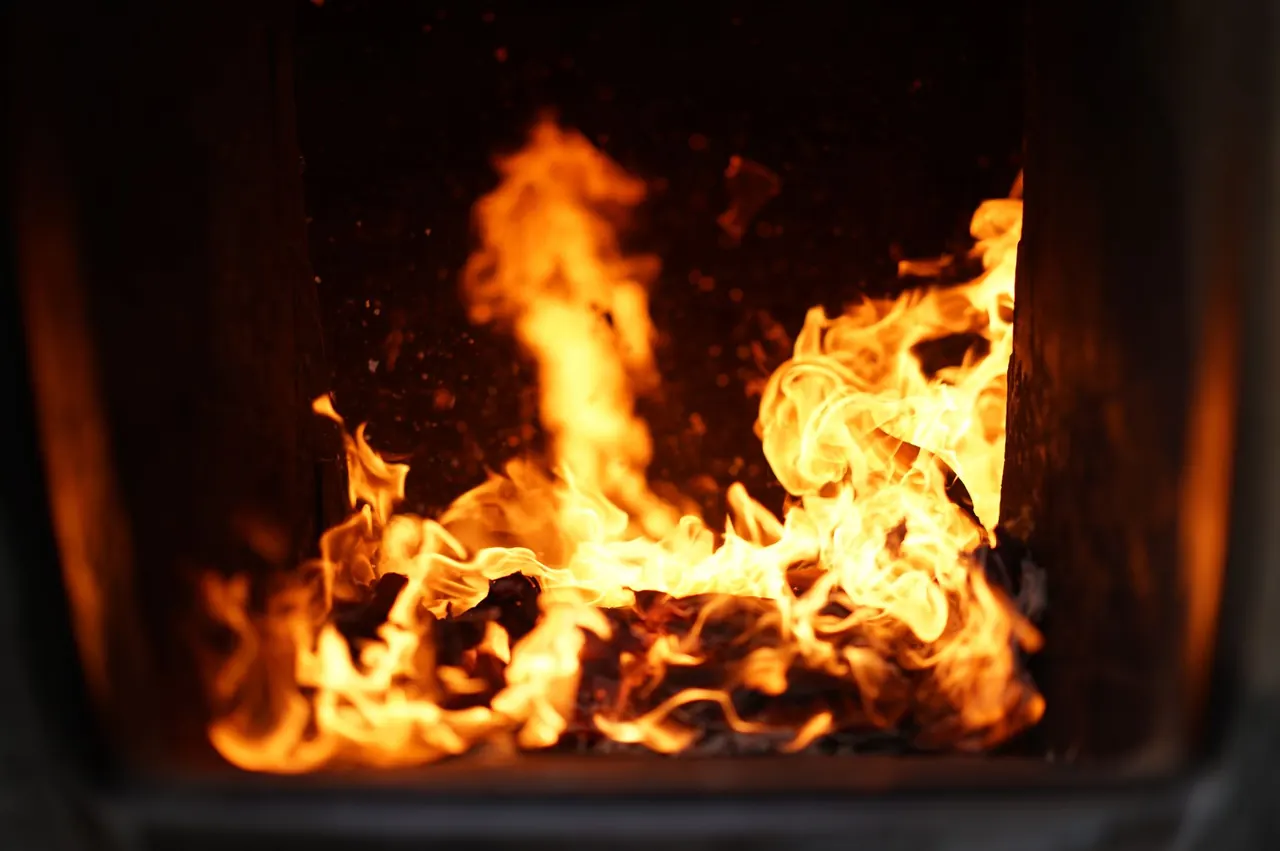
If the sensor is dirty but reading within range, we clean it and re-test. If output is below the manufacturer spec, usually under 1.5 microamps, we install a new sensor matched to your furnace brand. The swap itself takes about 20 minutes.
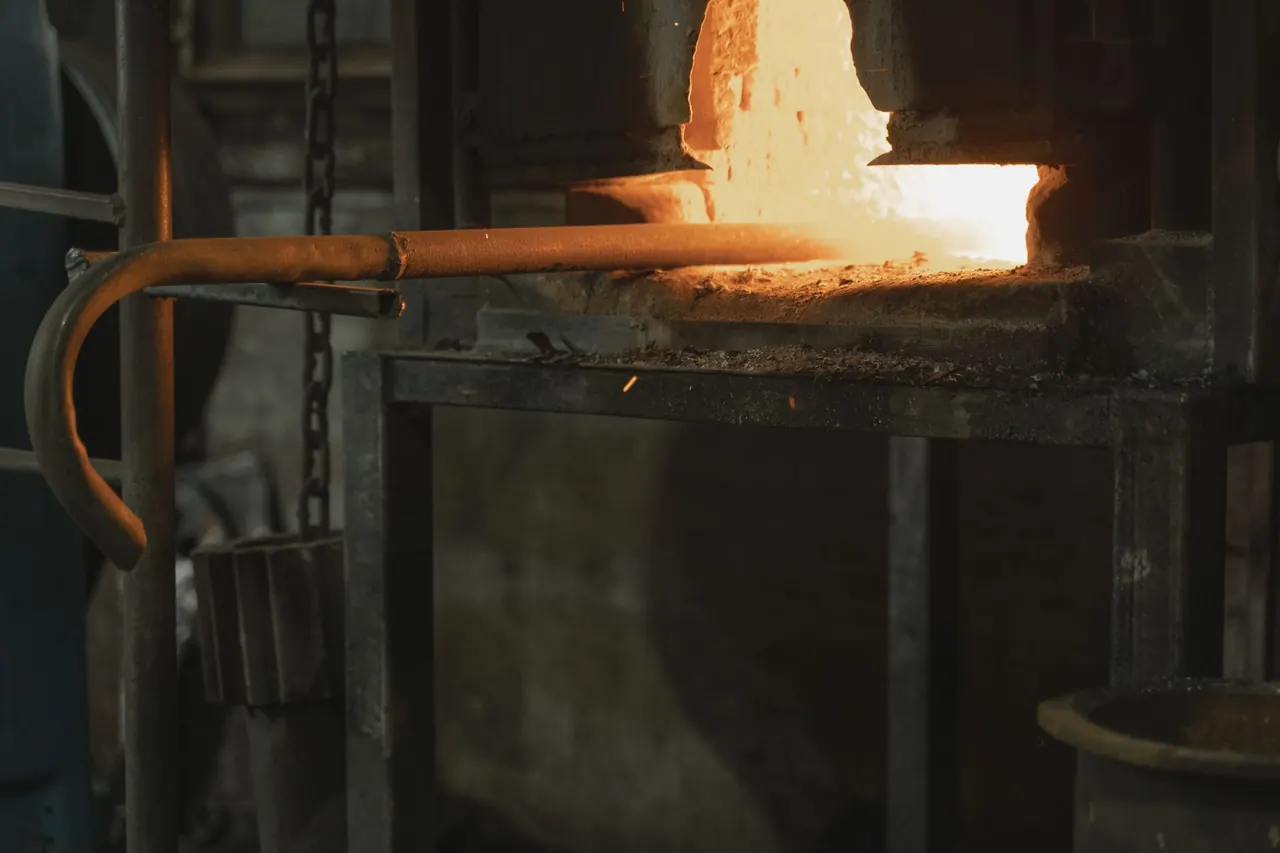
We verify gas pressure, check the igniter and thermocouple, inspect the heat exchanger for cracks, and confirm the limit switch is not tripping. This is where we catch the reason the sensor failed, so you are not calling us again in three weeks.
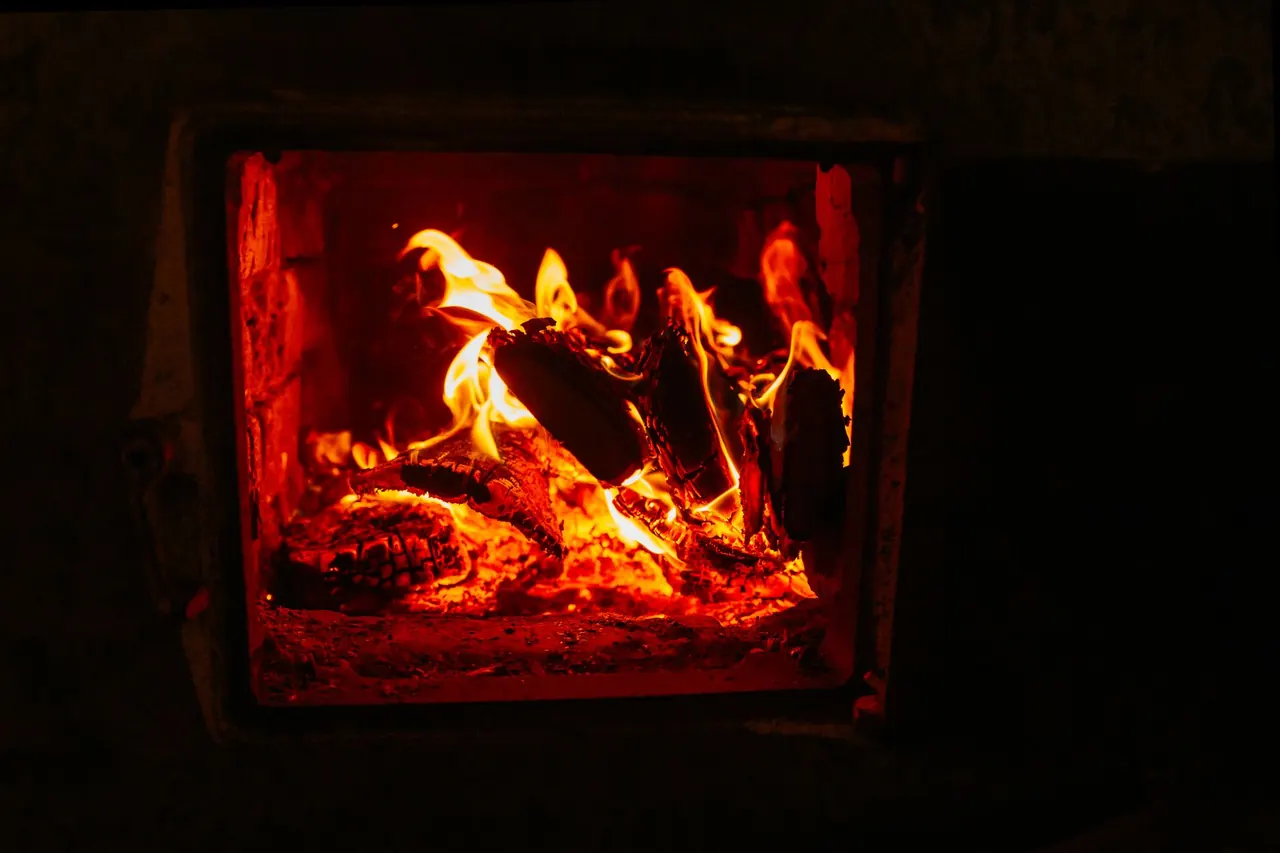
We run the furnace through three full heating cycles and confirm the flame holds every time. Then we show you the old part, explain what fouled it, and tell you what to watch for next season. Total visit runs 60 to 90 minutes.
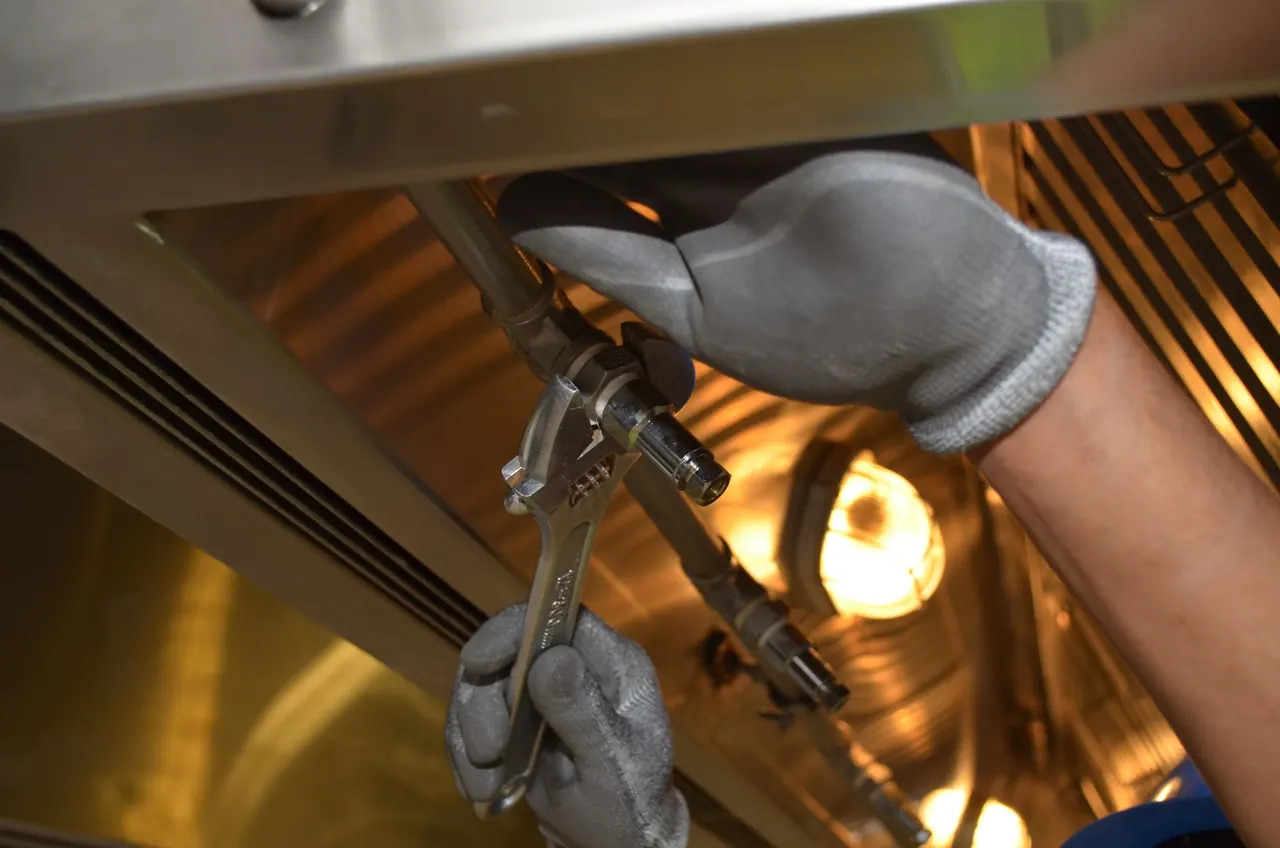
Move across a circle, or focus it and press Enter, for an illustrative thermal view of the photograph.
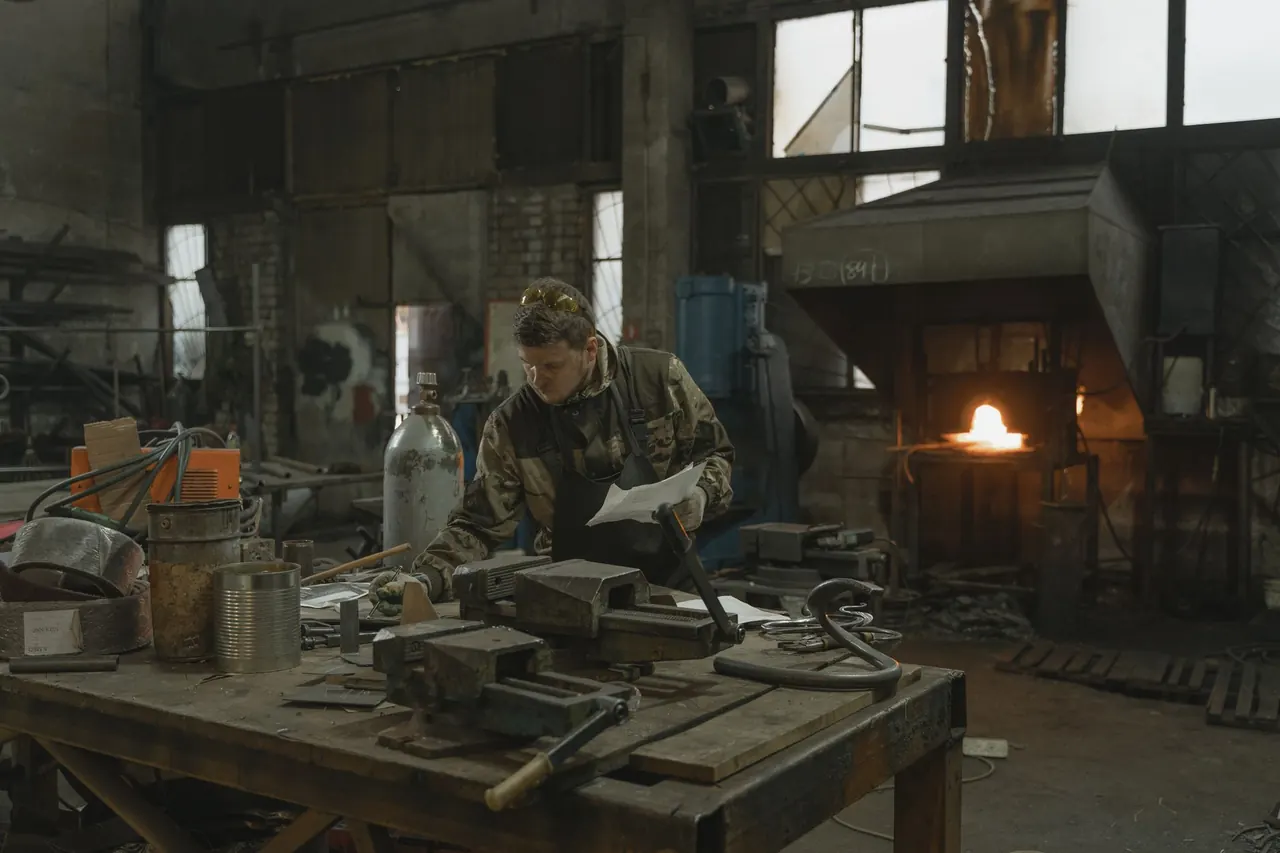
Measures flame sensor microamp output, the single most important reading on any sensor call. It tells us whether to clean or replace.
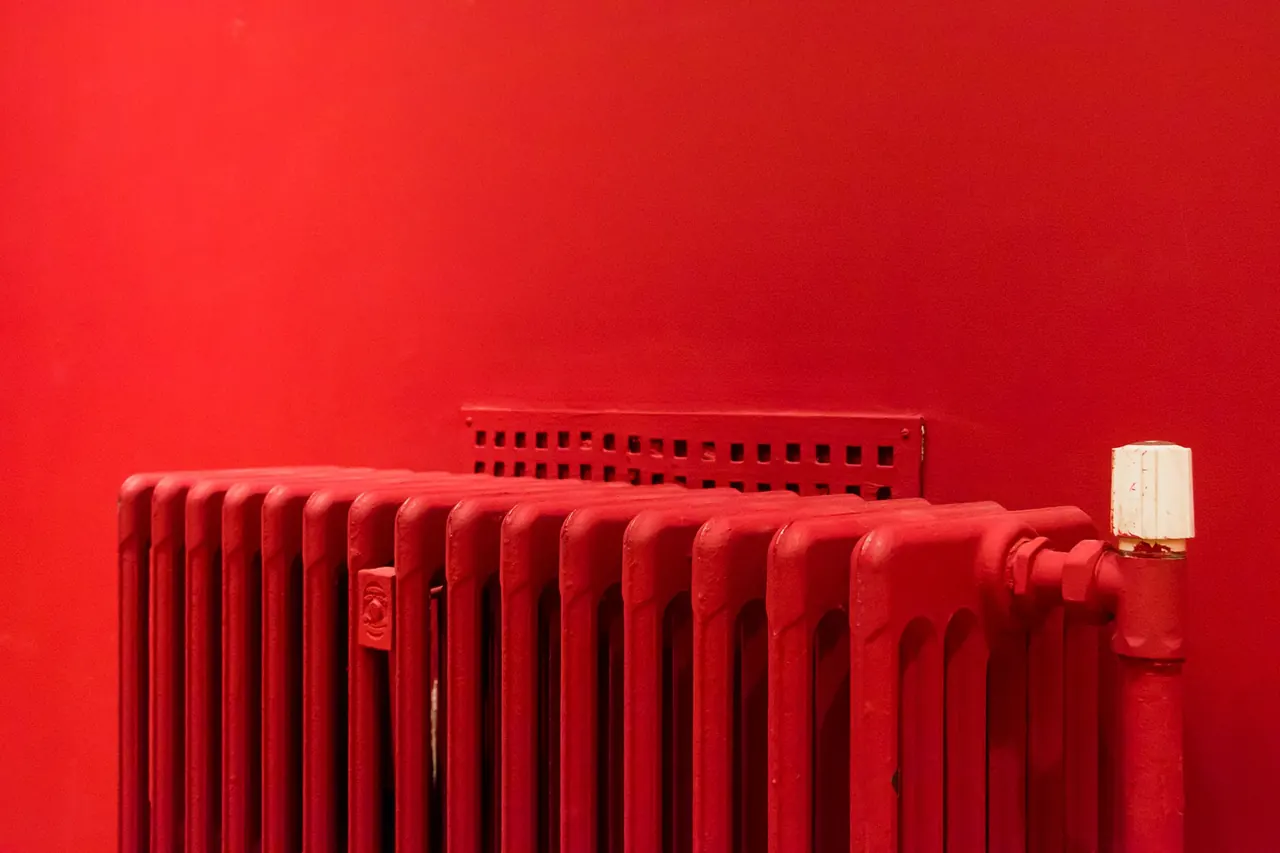
Confirms the sensor signal at the control board so we can rule out wiring and board faults before replacing the part.
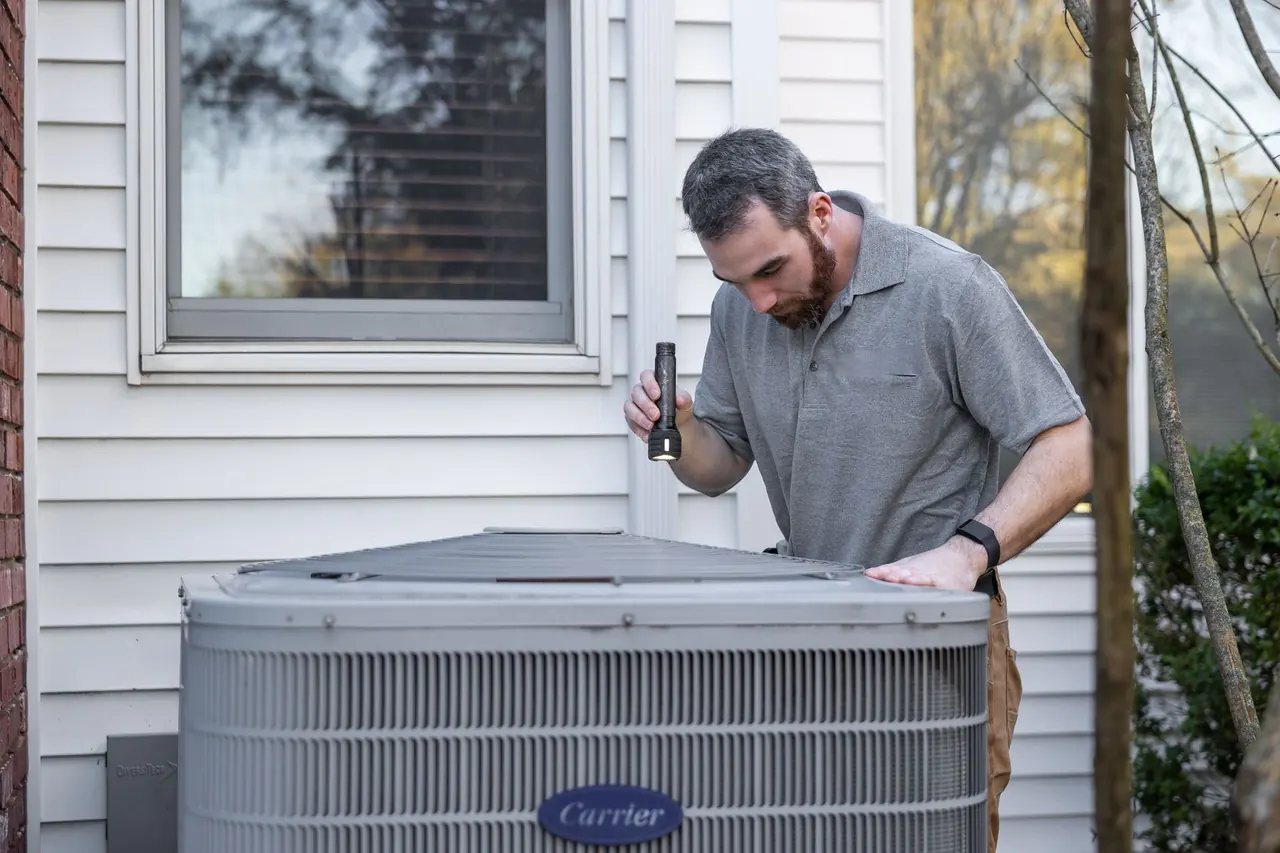
Checks inlet and manifold gas pressure against the furnace data plate. Wrong pressure is a leading cause of early sensor fouling.
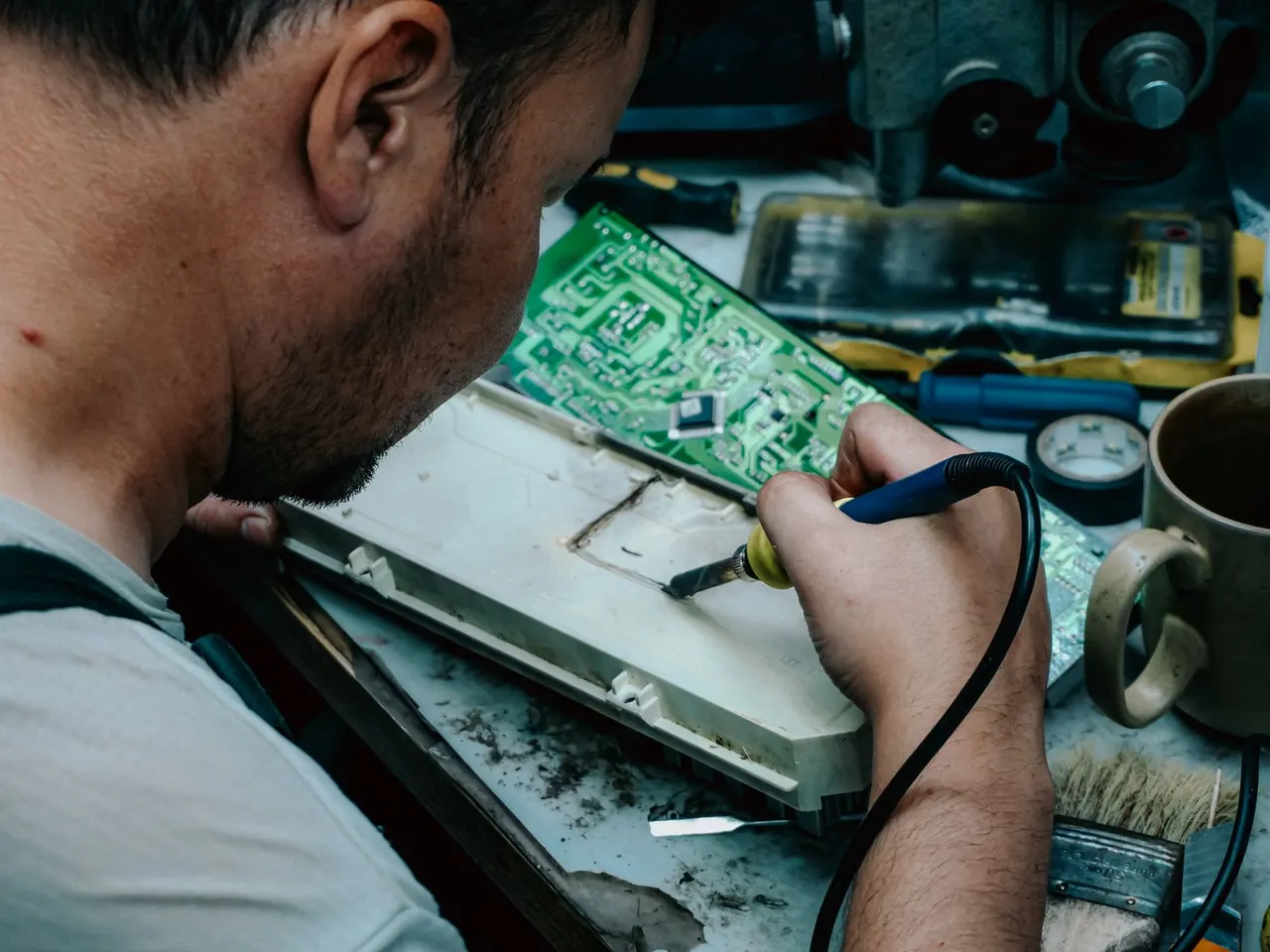
Reads flue gas oxygen and carbon monoxide levels to confirm the burner is running clean after any sensor or gas work.
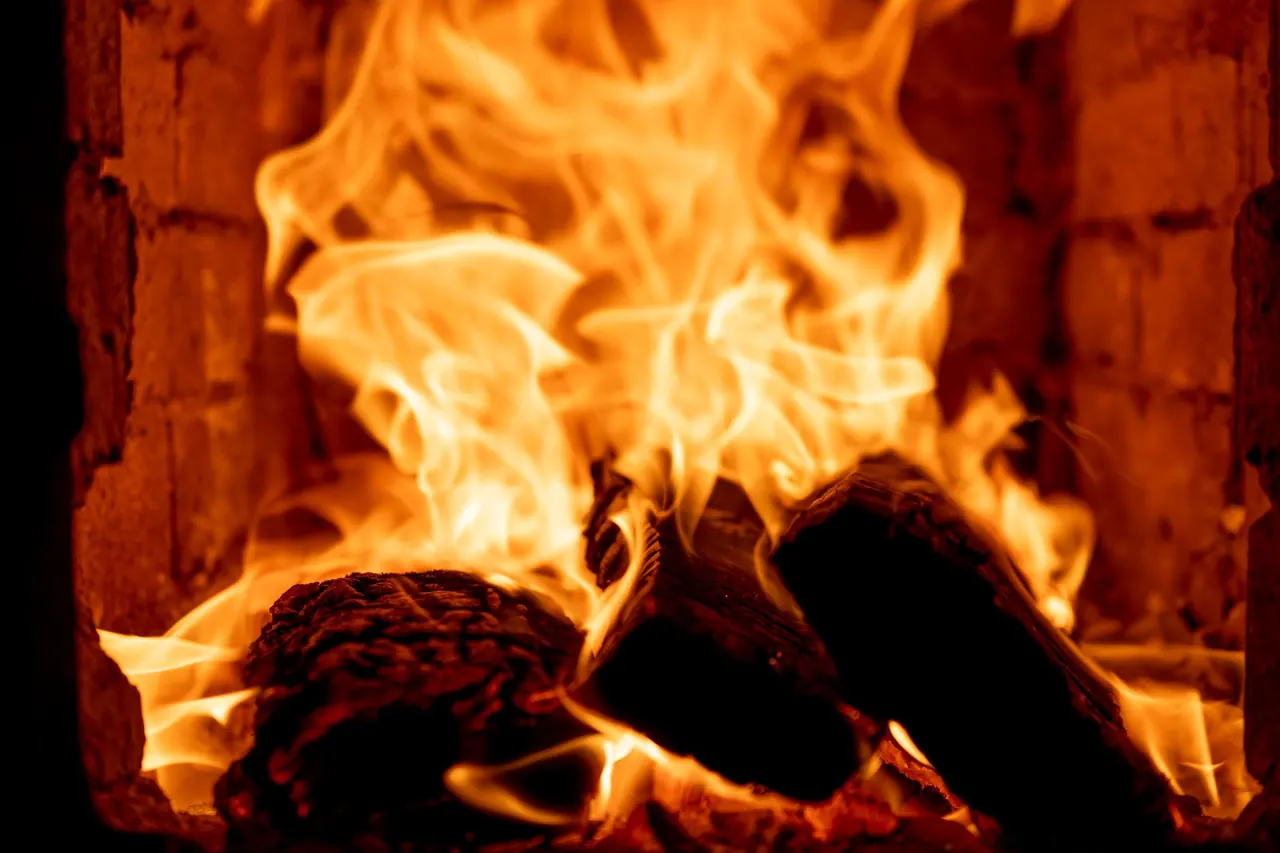
Sniffs for leaks around the gas valve and manifold any time we open the burner compartment.
Thermal views are illustrative, generated from the photographs.
Checks blower motor amp draw and capacitor condition when short cycling points to an airflow problem.
Measures inducer draft to confirm the motor is pulling enough air for a stable flame.
We measure flame sensor output before and after any repair. Manufacturer spec is usually 1.5 to 6 microamps depending on the furnace. If the reading is in range after cleaning, you keep the original sensor.
A sensor that fails once is normal wear. A sensor that fails twice points to gas pressure, dirty burners, or a failing inducer. We check all three so the repair lasts past one heating season.
We run the furnace through three complete heating cycles and confirm the flame holds each time. This catches intermittent faults that a single test would miss.
Burner covers, grounding screws, and wire routing go back exactly as the manufacturer designed. Poor reassembly causes nuisance faults and is a safety issue.
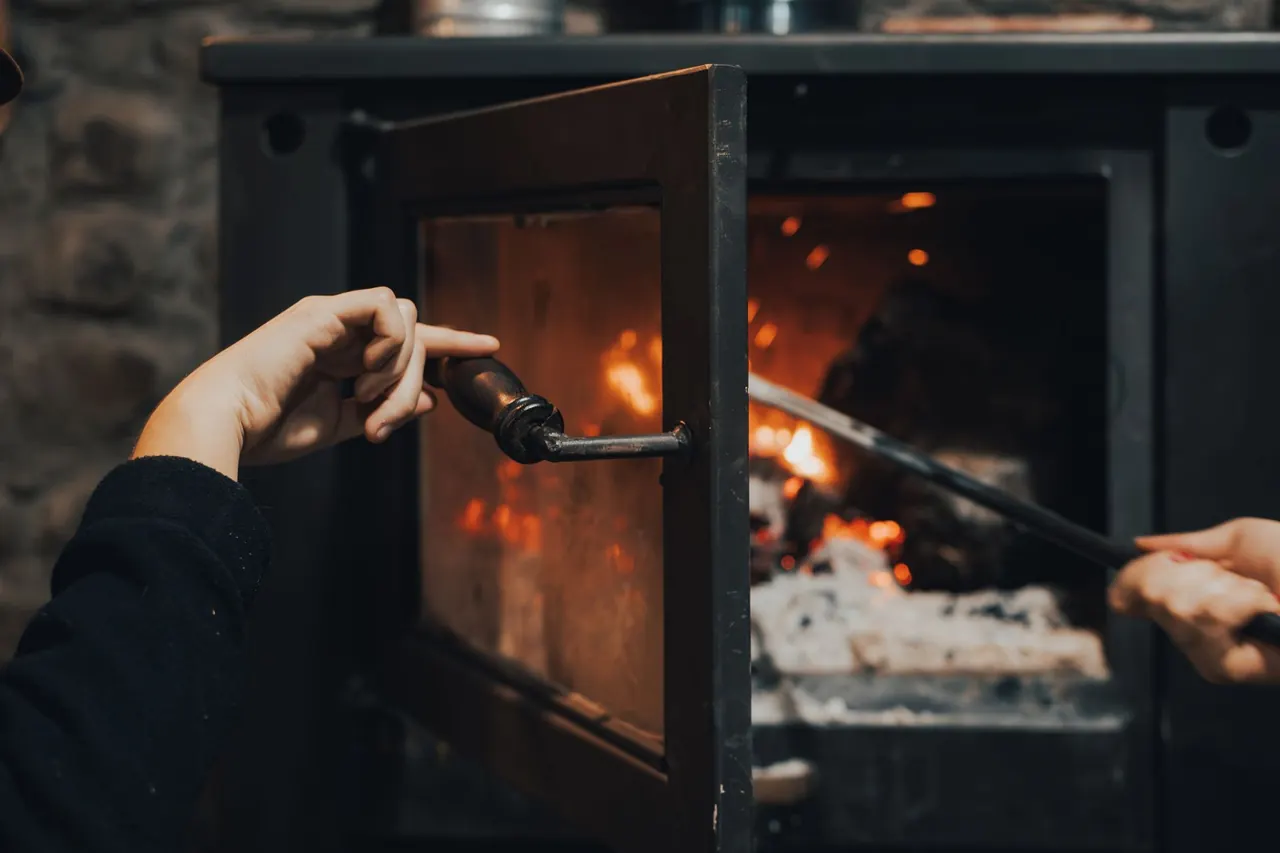
Your furnace quit on a Friday night in January and the house is dropping below 60 degrees.
Call (208) 764-8111 and we will dispatch an emergency tech. We stock flame sensors for all major brands, so most night calls are fixed in one visit without waiting on a parts order.
Outcome: Heat restored the same night in most cases, with the sensor tested and the ignition circuit verified before we leave.
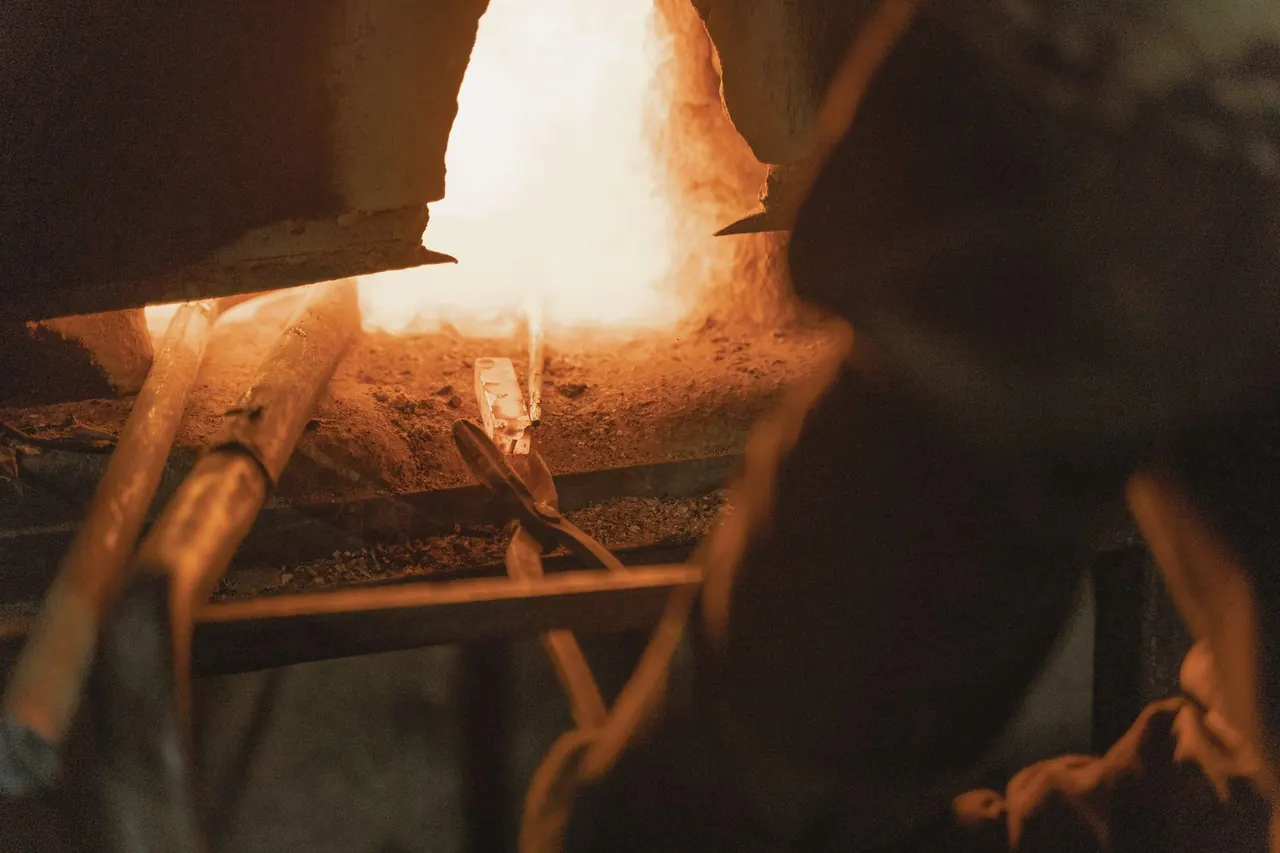
Your furnace has been short cycling for a week and the igniter has already been replaced once.
We test the flame sensor microamp output and the gas pressure together. A dirty sensor plus slightly high manifold pressure is a common combination that burns through igniters and sensors.
Outcome: The short cycling stops, and you are not replacing igniters every season. We show you the readings before and after.
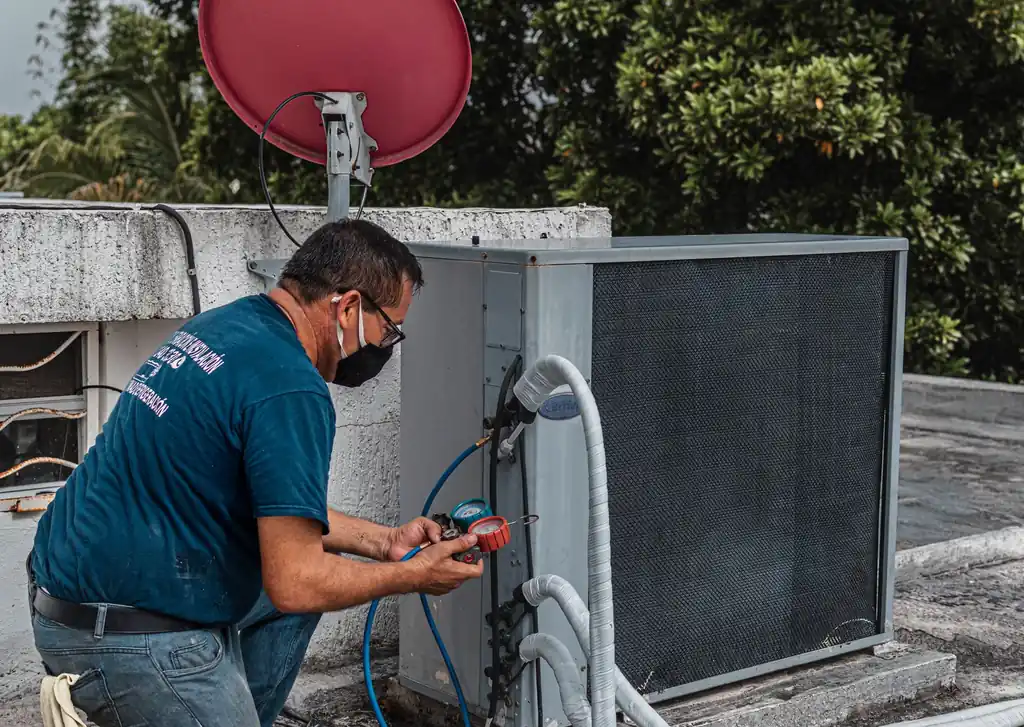
You are a landlord with a tenant in University Area calling about no heat.
We schedule around the tenant's availability, diagnose the sensor, and complete the repair in one trip. You get a written summary of what failed and what we did.
Outcome: Tenant has heat the same day, and you have documentation for your records without a second service call.
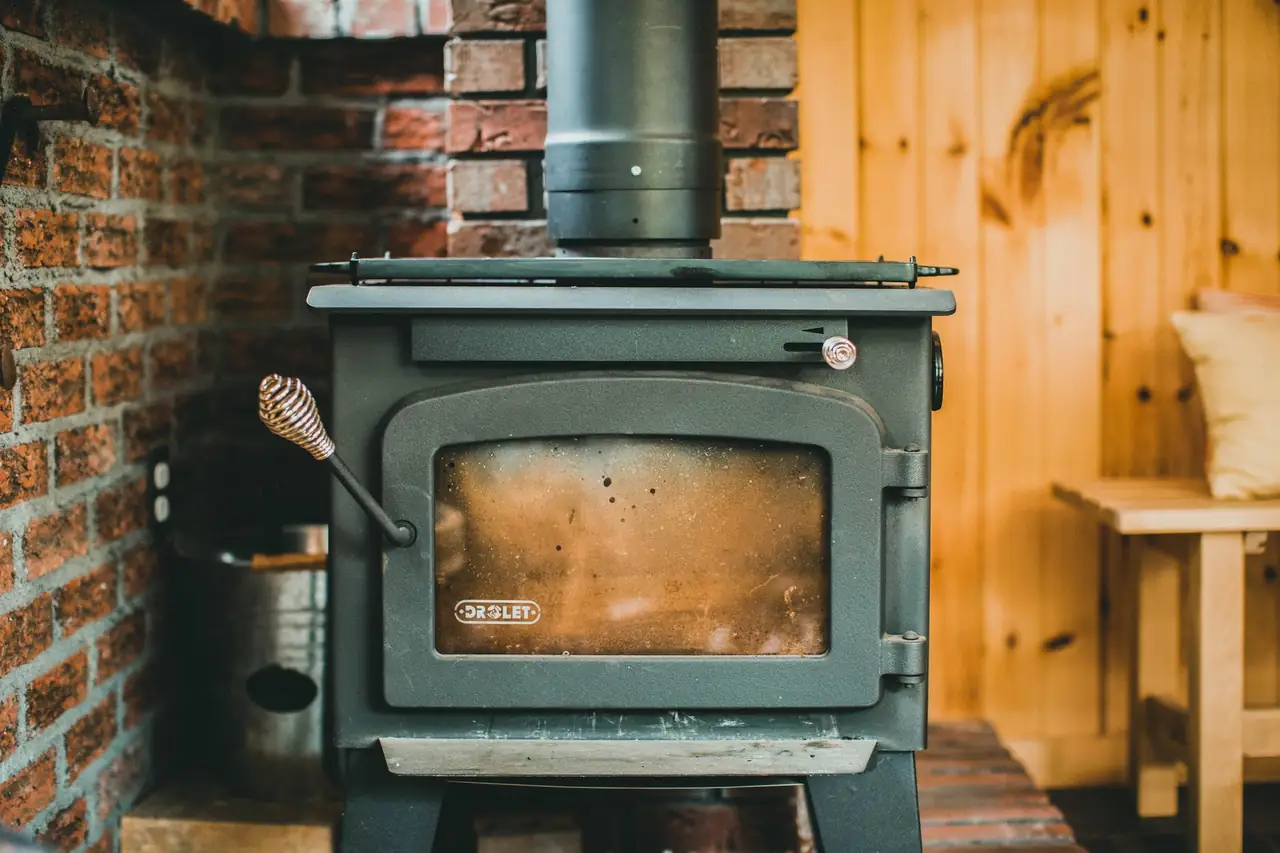
Your furnace runs but one side of the house stays cold and the burner keeps cutting out.
We fix the sensor fault first, then check airflow, dampers, and duct condition. A short-cycling furnace makes uneven heating worse, so the sensor repair often solves both complaints.
Outcome: Steady heat through the whole house once the burner stays lit and the airflow is balanced.
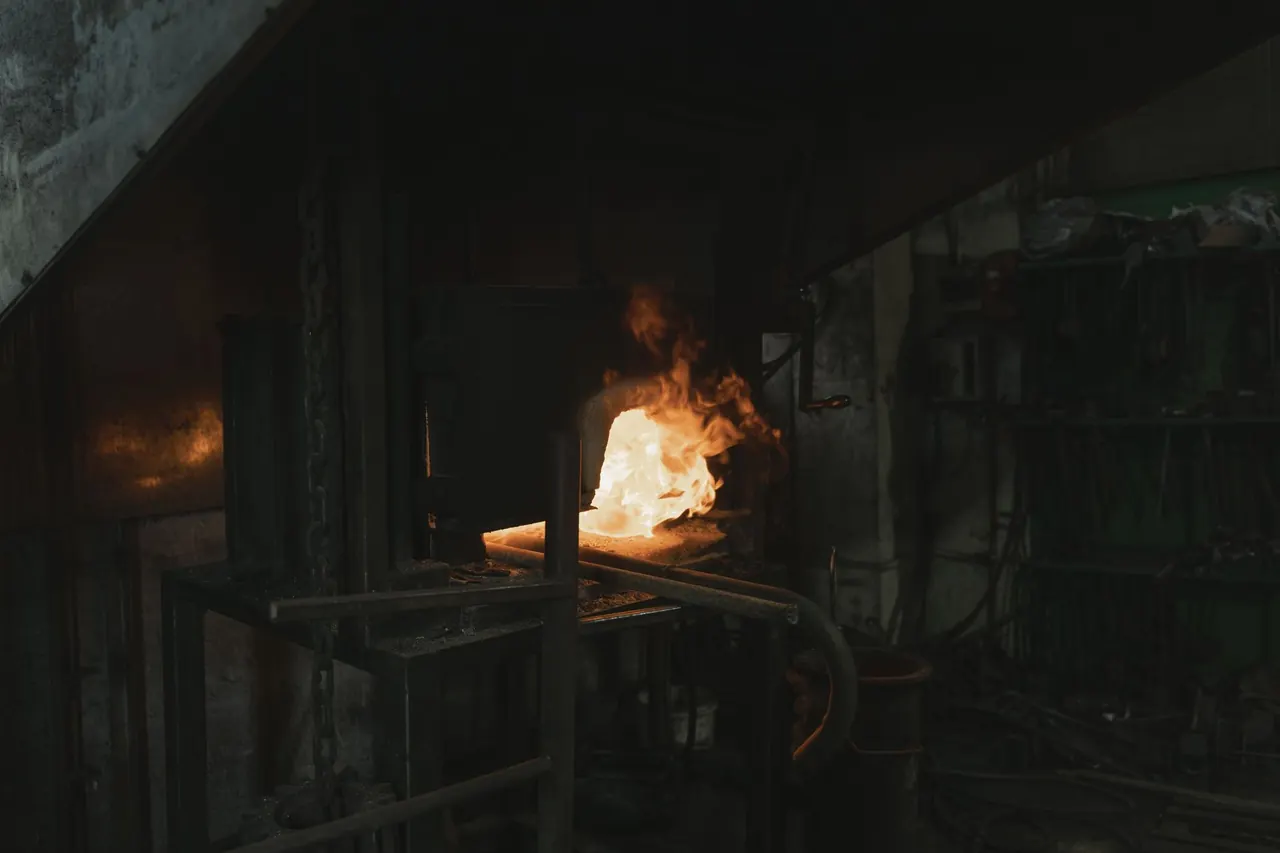
You are selling your home and the inspection flagged the furnace for ignition failure.
We diagnose the flame sensor, complete the repair, and provide a clear record of the work. That gives the buyer and their inspector something concrete to review.
Outcome: A working furnace with documentation, so the sale does not stall on a heating repair.
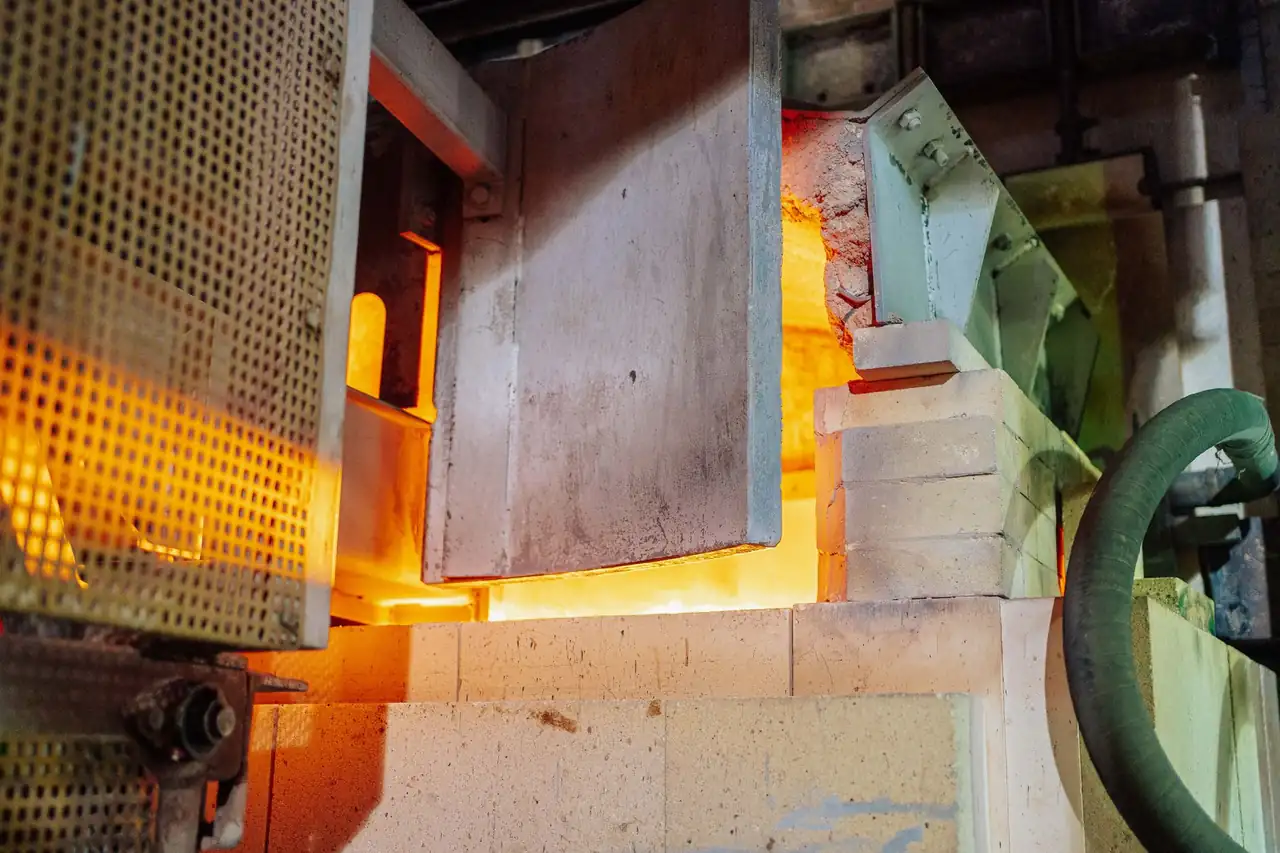
Pocatello winters are dry and cold, and that combination is hard on flame sensors. Dust from our high-desert climate settles on the burner assembly, and the dry air helps carbon build up on the sensor rod faster than in more humid regions. Homes in older neighborhoods like Old Town and University Area often have furnaces that run near-continuous from November through February, which accelerates the fouling.
We also see gas pressure issues in homes at higher elevations around Gibson Jack and Mink Creek, where the furnace has to work harder to maintain a stable flame. If you are looking for flame sensor replacement Pocatello Idaho done right, we test the sensor, check gas pressure, and confirm the burner is running clean before we leave. That is what keeps the repair holding through a Pocatello February.
Before: A Carrier furnace was lighting for four seconds and shutting off, repeating every two minutes. The house stayed at 61 degrees and the homeowner had already replaced the igniter once with no change.
After: We measured flame sensor output at 0.8 microamps, cleaned the rod, and re-tested at 4.2 microamps. The furnace ran three full cycles without a dropout, and the house reached 70 degrees within an hour.
Change the filter every 60 days and schedule a sensor check each fall. If short cycling returns, call before replacing parts.
Before: A tenant called on a Sunday with no heat at all. The Goodman furnace would try to light, fail, and lock out. The landlord was three hours away and needed it fixed that day.
After: We replaced the flame sensor with an OEM-matched part and verified 5.1 microamps. The furnace lit on the first try and ran steady. Total visit was 75 minutes, and the tenant had heat by evening.
Keep the filter clean and have the sensor checked at the start of each heating season. Rental furnaces benefit from an annual tune-up.
Before: A homeowner had replaced the flame sensor twice in one winter. Each time it worked for a few weeks and then failed again. The furnace was a 20-year-old Lennox.
After: We found high manifold pressure and dirty burners fouling the sensor. After adjusting gas pressure and cleaning the burners, the new sensor held steady at 4.6 microamps through three cycles. No failures since.
Annual burner cleaning and a gas pressure check keep sensors from fouling early. On older furnaces, plan on a yearly inspection.
A flame sensor fault shows up in a handful of ways, and each one points to a slightly different repair. Here is what we see most often on Pocatello calls and how we handle it.
Steady heat, verified readings, and a repair that holds through winter.
Most flame sensor jobs take 60 to 90 minutes once we arrive. We stock sensors for Lennox, Carrier, Trane, Goodman, Rheem, Bryant, York, and Amana units on the truck, so we are not making a parts run while your house sits at 52 degrees.
We test the sensor with a flame sensor tester and multimeter before replacing anything. If the reading is within spec, we keep looking at the thermocouple, igniter, gas valve, or control board. You pay for the fix that actually solves the problem.
A furnace flame sensor dirty Pocatello ID is often salvageable. We clean the rod with fine abrasive and test microamp output. If it holds steady above the manufacturer minimum, you keep the original part and save the cost of replacement.
We check the burn pattern, gas pressure with a manifold gauge set, and inducer draft before we leave. That catches the underlying reason the sensor fouled in the first place, whether it is a cracked heat exchanger, dirty burners, or a weak inducer motor.
What a written scope covers and what shapes it. Prices are set by the business after the first look.
Included
Depends on
Clear records you can keep and share.
What failed and what we repaired.
Microamp values before and after.
Brand and part number if replaced.
Size and change interval for your unit.
The microamp reading decides whether cleaning is enough or the sensor needs replacement.
Output is within manufacturer spec after cleaning.
Output stays low or the rod is worn.
New sensor still reads low.
A list like this tells people straight away whether you cover their street. Not listed? Call and ask: it only takes a minute.
Based in Pocatello and covering the places around it. Pick one for local details.
A clean-and-test is usually at the lower end, while a full replacement with a brand-matched sensor runs higher. Emergency or after-hours calls add a trip charge. You get the exact price before we start, and we tell you if cleaning will work instead of replacing.
A sensor that keeps fouling usually points to a bigger issue: dirty burners, incorrect gas pressure, a weak inducer motor, or a heat exchanger problem. In Pocatello, hard water scale and dust from our dry climate speed up carbon buildup on the rod. We check all of those on every call, because replacing the sensor without fixing the cause means you will be calling again in a few weeks.
Pocatello Furnace Repair Pros handles flame sensor cleaning and replacement across Bannock County, including Chubbuck, Tyhee, Portneuf Gap, and Gibson Jack. We work on all major brands and stock sensors on the truck, so most jobs are finished in one visit. Call (208) 764-8111 to schedule.
You can, and some homeowners do it with fine steel wool and a screwdriver. The catch is that you need a multimeter to confirm the microamp reading afterward, and you still need to find out why it fouled. If the reading is low or the furnace keeps short cycling, the sensor is not the whole story. We handle the cleaning, testing, and diagnosis in one visit.
Other services from the same team.
Call (208) 764-8111 and we will give you a two-hour arrival window and an upfront price before we start. Same-day and emergency service across Pocatello and Bannock County.
Call us at (208) 764-8111 or email info@pocatellofurnacerepairpros.com. We answer calls Monday through Friday, 8 a.m. to 6 p.m., and we offer emergency service for no-heat calls. If you need furnace repair in Pocatello, ID, reach out and we will get you scheduled.