Furnace ignition repair Pocatello ID done right the first time
When your furnace clicks but never lights, you need furnace ignition repair Pocatello ID homeowners can count on. We test the igniter, flame sensor, gas valve, and control board on Lennox, Carrier, Trane, and Goodman systems, then fix the fault the same visit. Whether it is a dirty flame sensor or a failed hot surface igniter, we get heat back on before the next cold snap hits Bannock County.
Every ignition repair visit covers the full sequence, not just the part that failed. We test the igniter, flame sensor, gas valve, and control board, then verify the repair with a combustion check. If we find a related issue like a dirty filter or a weak inducer motor, we tell you what it means and what it costs to fix.
Full ignition sequence diagnosis
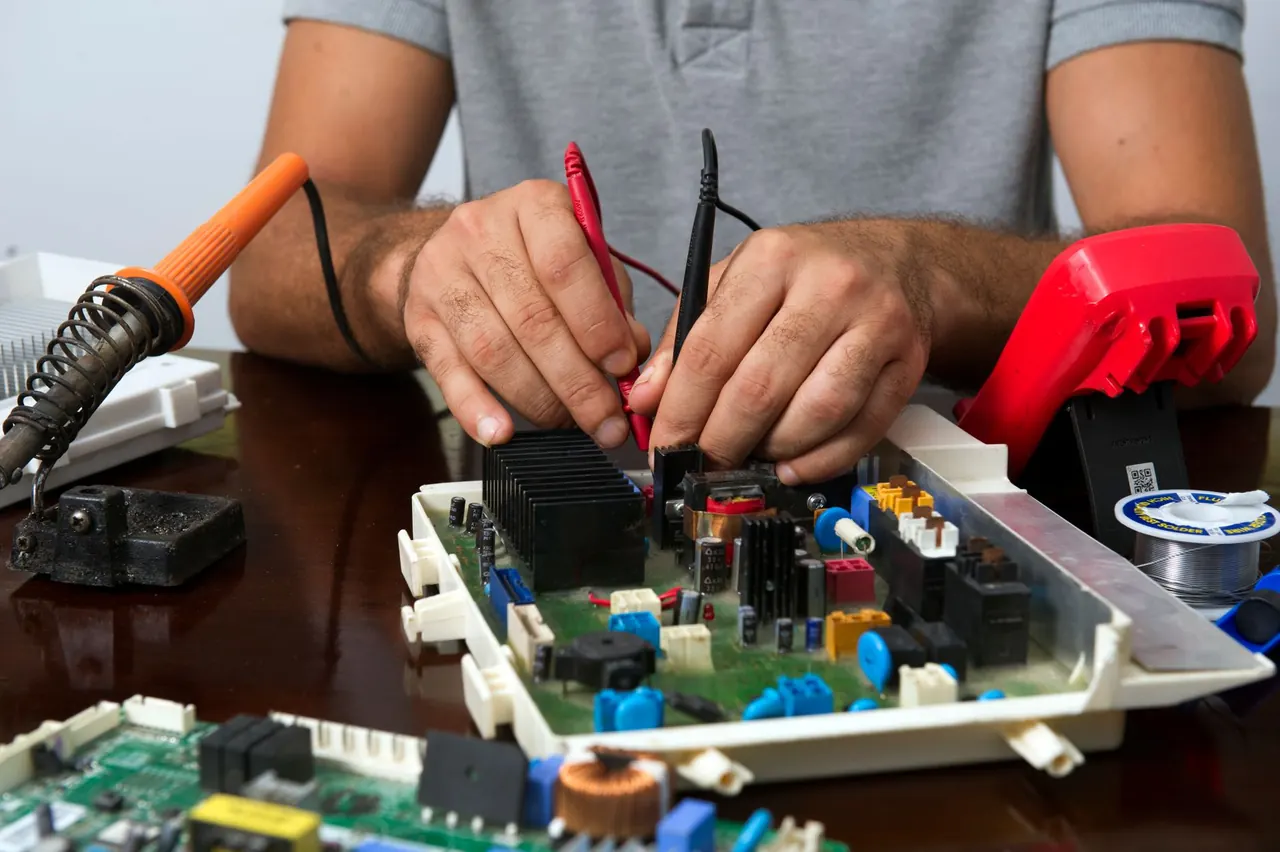
We watch the thermostat call, inducer spin-up, igniter glow, gas valve open, and flame prove. A multimeter and clamp meter confirm voltage and current at each step. This takes 15 to 25 minutes and tells us exactly which part failed.
Igniter and flame sensor replacement
Hot surface igniters, spark igniters, thermocouples, and flame sensors are replaced with OEM-spec parts matched to your furnace brand. We test the new component through a full heating cycle before we close the burner compartment.
Gas valve and control board testing
If the igniter and sensor test good, we move to the gas valve and control board. We check voltage at the valve, confirm gas pressure, and read fault codes so you do not pay for a board that is still working.
Combustion and safety check
A combustion analyzer reading at the flue and a gas leak detector check at the valve and unions are included. We also inspect the heat exchanger for cracks and confirm the limit switch and rollout switch reset properly.
Filter and thermostat check
A clogged air filter or a thermostat that never calls for heat can mimic ignition failure. We check both, show you the filter condition, and confirm your Nest or Ecobee schedule is actually asking the furnace to run.
Plain-language walkthrough
Before we leave, we show you the failed part, explain what caused it, and tell you what to watch for next winter.
Homes and businesses.
The approach is the same for a home and a business. What changes is the access, the schedule and who needs the paperwork.
For homes
We repair ignition faults in houses across Pocatello, from Old Town bungalows to newer builds in Highland. You get a working furnace and a plain explanation of what failed.
Furnace clicks but will not light
Burner lights then shuts off
Pilot will not stay lit
For businesses
We handle ignition failures on rooftop and commercial furnaces for Pocatello shops and offices. We work around your hours and prioritize no-heat calls so you can stay open.
Rooftop unit will not ignite
Intermittent lockouts
Gas valve or board faults
Furnace ignition repair Pocatello ID: what it involves
A plain-language look at what Furnace Ignition Repair involves and when it is needed.
Furnace ignition repair Pocatello ID is the diagnostic and repair work that restores the ignition sequence inside your furnace, from the thermostat call for heat through the inducer motor, gas valve, igniter, and flame sensor. When any link in that chain fails, the burner never lights and the blower pushes cold air. We test each component with a multimeter and thermocouple tester, then replace only the part that failed.
Pocatello winters drop into the single digits, and a furnace that will not ignite turns a cold night into a frozen-pipe emergency. Most calls we run in Old Town, Highland, and Alameda come from furnaces that short cycle or lock out after three failed ignition tries. If you are searching for furnace ignition repair near me Pocatello ID, we stock igniters and flame sensors for common brands so the fix happens on the first visit.
Ignition repair restores the spark or glow that lights your burner, so heat comes back.
What it is
Diagnosing and repairing the igniter, flame sensor, gas valve, or control board that lights your furnace burner.
When you need it
When the furnace clicks without lighting, lights then shuts off, or blows cold air with no flame.
What to expect
A diagnostic visit, part replacement if needed, and a combustion and gas leak check before we leave.
How our ignition repair process works
You get a clear sequence from the first phone call to the final combustion test. Here is what happens when we show up at your door.
Phone triage
We ask what the furnace is doing: clicking without lighting, lighting then shutting off, or blowing cold air. That tells us whether to load an igniter, a flame sensor, or a control board on the truck. You get a two-hour arrival window, and we call when we are 20 minutes out.
Phone triage
Two-hour window
Part loaded
Ignition sequence test
We pull the burner cover and watch the full sequence: thermostat call, inducer motor spin-up, igniter glow, gas valve open, flame prove. A multimeter and clamp meter confirm voltage at the igniter and current through the flame sensor. This takes 15 to 25 minutes and pinpoints the failure.
Sequence test
Multimeter check
15-25 minutes
Repair and part swap
Once we know the failed part, we replace it. Hot surface igniters, thermocouples, flame sensors, and gas valve coils are common. We use OEM-spec parts matched to your Lennox, Carrier, or Trane model, and we test the new component before buttoning the furnace back up.
Part swap
OEM-spec parts
Test new part
Combustion and safety check
After the burner lights, we run a combustion analyzer at the flue and check the heat exchanger for cracks. A gas leak detector confirms no leaks at the valve or unions. If the limit switch or rollout switch tripped, we verify it resets and stays closed through a full heating cycle.
Combustion check
Gas leak check
Heat exchanger look
Walkthrough and filter check
We show you the failed part, explain what caused it, and check your air filter and thermostat settings. A dirty filter or a mis-set Ecobee or Nest schedule can shorten igniter life. You leave with a working furnace and a plain-language rundown of what to watch for next winter.
Walkthrough
Filter check
Plain summary
Tools and methods we use for ignition repair
Move across a circle, or focus it and press Enter, for an illustrative thermal view of the photograph.
Multimeter
Tests voltage at the igniter, gas valve, and control board, and checks resistance on hot surface igniters to confirm failure.
Clamp meter
Measures current draw on the igniter and inducer motor to catch weak components before they fail completely.
Combustion analyzer
Reads flue gas oxygen and carbon monoxide levels after ignition repair to confirm the burner is burning cleanly and safely.
Thermocouple tester
Checks millivolt output on standing-pilot furnaces to determine whether the thermocouple needs replacement.
Gas leak detector
Sniffs for leaks at the gas valve, unions, and supply line after any ignition repair that involved gas components.
Thermal views are illustrative, generated from the photographs.
Methods
Flame sensor tester
Measures the microamp signal from the flame sensor to confirm the burner flame is proving correctly.
Manifold gauge set
Verifies gas pressure at the valve on natural gas and propane furnaces so the burner lights reliably.
NATE-certified diagnostic sequence
We follow the NATE ignition troubleshooting sequence: confirm the call for heat, verify inducer operation, test the igniter, check the gas valve, and prove the flame. This order prevents replacing parts that are still good and keeps the repair cost down.
ACCA quality standards
Our ignition repairs follow ACCA quality standards for airflow, combustion, and safety. That means we check static pressure and filter condition, not just the failed part, because airflow problems cause many repeat ignition failures.
EPA Section 608 compliance
Technicians handling gas appliances and refrigerant work under EPA Section 608 rules. We follow those procedures on every call, including safe handling and proper documentation of any refrigerant or gas-related work.
OSHA safety compliance
Gas appliance work carries real risk, so we follow OSHA safety compliance on every ignition repair. That includes lockout procedures, combustion air verification, and personal protective equipment when working on burners and heat exchangers.
When Pocatello homeowners call for ignition repair
First freeze no-heat
Furnace quits on the first hard freeze in October and the house drops to 55 degrees overnight.
We prioritize no-heat calls and run same-day ignition diagnostics. Most October failures are igniters that degraded over summer, and we carry replacements for common brands. We test the flame sensor while we are in there.
Outcome: Heat restored the same day, usually within three hours of arrival, and the furnace runs clean cycles through the night.
Rental furnace lockout
A landlord near the University Area has tenants calling about a furnace that will not light.
We schedule around tenant availability, diagnose the ignition fault, and repair it in one visit. We provide a written summary the landlord can keep for records. We also check the filter since rentals often go a year without a change.
Outcome: Tenants have heat the same day, and the landlord has documentation for the repair and the parts used.
Old pilot furnace
An older home in Old Town has a standing-pilot furnace and the pilot keeps going out.
We test the thermocouple, clean the pilot assembly, and adjust the flame. If the thermocouple is weak, we replace it with a matching part. We also inspect the heat exchanger since older furnaces are prone to cracks.
Outcome: The pilot stays lit through the heating season, and you know whether the heat exchanger is safe or needs attention.
Short cycling furnace
A homeowner in Highland has a furnace that lights, runs 30 seconds, and shuts off repeatedly.
We diagnose the flame sensor first, clean or replace it, and verify the microamp signal. If the sensor is fine, we check the control board and gas valve. Short cycling is hard on the igniter, so we test that too.
Outcome: The furnace completes full heating cycles without shutting down, and the igniter is not being worn out by repeated restarts.
Commercial no-heat
A commercial unit at a Pocatello shop stops heating and the business cannot open comfortably.
We treat commercial no-heat calls as priority, diagnose the ignition fault on the rooftop unit, and source the part the same day. We work around business hours when possible and keep the space safe while we repair.
Outcome: The unit is back online the same day in most cases, and the business avoids a full shutdown during cold weather.
Old Town PocatelloHighland AreaUniversity Area
How ignition repair runs in Pocatello
Pocatello's high-desert climate swings hard: 90-degree summers and single-digit winters with low humidity. That dry air and the dust it carries shorten hot surface igniter life, and we see a spike in furnace ignition service Pocatello ID calls every October and November when furnaces wake up after summer.
Older homes in Old Town and the University Area often have original 1970s and 1980s furnaces with standing pilots or early hot surface ignition, while newer builds in Highland and Pocatello Creek use two-stage Lennox, Carrier, and Trane units with more electronics. Bannock County code requires gas appliance work to follow current mechanical codes, and we pull permits when a repair crosses that line.
If your furnace won't ignite Pocatello ID and you are in West Pocatello or Chubbuck, we are usually 15 to 25 minutes out and carry the common igniters on the truck.
Old Town Pocatello: Many homes here still have 1970s and 1980s furnaces with standing pilots or early hot surface igniters. We stock thermocouples and older-style igniters for these models.
Highland Area: Newer construction with two-stage Lennox and Carrier furnaces. These units throw fault codes that point to the failed ignition part, which speeds up diagnosis.
University Area: Rental housing with a mix of Goodman and Rheem furnaces. Ignition failures here often trace to filters that have not been changed in a year or more.
Pocatello Creek: Larger homes with multiple zones and longer duct runs. We check static pressure alongside the ignition system since airflow problems can cause limit switch trips.
Chubbuck: A mix of older and newer homes just south of Pocatello. We cover Chubbuck on the same schedule and carry the same igniter and flame sensor stock.
Dry winter air and dust: Low humidity and airborne dust coat flame sensors and shorten hot surface igniter life. We clean or replace sensors and check filter condition on every ignition call.
We ask about symptoms and confirm the furnace brand
We protect the floor and set up tools
We test the repair and explain what failed
From problem to finished result.
IllustrativeThe thermal view is generated from the photograph. It is not a measurement. Drag the handle, or use the arrow keys once it is focused.
Carrier furnace clicking without lighting
Before: A homeowner in Highland called at 7 a.m. with a Carrier furnace that clicked but never lit. The house was at 57 degrees and dropping. The igniter was cracked and the flame sensor was coated with dust from a filter that had not been changed in 14 months.
After: We replaced the hot surface igniter, cleaned the flame sensor, and installed a new filter. The burner lit on the first try and the house reached 68 degrees in about 90 minutes. Total repair time was two hours.
Change the filter every 60 to 90 days during heating season. A clean filter keeps dust off the flame sensor and reduces how hard the igniter has to work.
Goodman furnace short cycling in University Area
Before: A rental near the university had a Goodman furnace that lit, ran 20 seconds, and shut off. Tenants reported cold air and repeated restarts. The flame sensor signal was weak and the control board was logging ignition lockouts.
After: We cleaned the flame sensor, confirmed the microamp signal was back in spec, and reset the board. The furnace ran full 15-minute cycles without shutting down. The repair took about 90 minutes and cost far less than a board replacement.
Have the flame sensor cleaned once a year before heating season. If short cycling returns, call before the repeated restarts wear out the igniter.
Old Lennox standing-pilot furnace in Old Town
Before: An older Lennox furnace in Old Town would not stay lit. The homeowner had relit the pilot three times in one week. The thermocouple was producing low millivolts and the pilot orifice was partially clogged.
After: We replaced the thermocouple, cleaned the pilot assembly, and adjusted the flame to engulf the thermocouple tip. The pilot stayed lit through a full heating cycle and the furnace ran normally. The repair took under an hour.
Schedule a pilot and thermocouple check each fall. If the pilot goes out more than once a season, call before you spend another winter relighting it.
Ignition problems we solve for Pocatello homeowners
Most no-heat calls trace back to one of a handful of ignition failures. Here is what we see most in Pocatello and how we fix it.
Clicks, no lightFurnace clicks but never lightsThe blower runs cold air and the house drops several degrees per hour. After three failed tries, most furnaces lock out and stop trying until you reset power. We test the hot surface igniter with a multimeter and replace it if the resistance is out of spec. If the igniter is good, we check the gas valve and control board. Most clicking-no-light calls are a failed igniter, fixed the same visit.
Lights then shuts offBurner lights then shuts off after a few secondsThe furnace short cycles, never warming the house, and the repeated ignition attempts wear out the igniter and control board over time. This is almost always a dirty or failed flame sensor. We pull the sensor, clean it with steel wool, and test the microamp signal. If it is too weak, we replace it. We also check the ground path since a poor ground mimics a bad sensor.
Cold air, no ignitionFurnace blows cold air with no ignition attemptYou hear the blower but never the igniter glow or the click of the gas valve. The house stays cold and you may not realize the furnace is locked out. We trace the call for heat from the thermostat through the control board. Common causes are a failed control board, a tripped limit switch, or a thermostat that is not sending 24 volts. We test each and repair the break in the chain.
Pilot will not stay litPilot light will not stay lit on an older furnaceStanding-pilot furnaces go out and stay out, leaving you with no heat and a thermocouple that may be failing. Relighting the pilot only works until the next cycle. We test the thermocouple with a thermocouple tester and replace it if the millivolt reading is low. We also clean the pilot orifice and adjust the flame so it engulfs the thermocouple tip properly. Most standing-pilot fixes take under an hour.
Lockout after outageFurnace lockout after a power flickerA brief outage can leave the control board in lockout, and the furnace will not attempt ignition until power is cycled at the breaker or the board resets. We reset the board, confirm the ignition sequence runs cleanly, and check whether the board is holding fault codes. If the board is failing intermittently, we test it under load and replace it if needed. We also check the thermostat wire for loose connections.
Why Pocatello homeowners call us for ignition repair
You get heat back the same day and know what failed.
Heat back the same day
Most ignition repairs take two to four hours once we arrive. We carry hot surface igniters, flame sensors, and thermocouples for Lennox, Carrier, Trane, Goodman, Rheem, Bryant, York, and Amana furnaces, so you are not waiting days for a part order while the house sits at 50 degrees.
Accurate diagnosis, no guesswork
We test the ignition sequence with a multimeter, clamp meter, and combustion analyzer instead of swapping parts until something works. That means you pay for the failed igniter or control board, not for three parts that were still good. You get a written explanation of what failed and why.
Safe gas and combustion checks
Every ignition repair includes a gas leak detector check at the valve and unions plus a combustion analyzer reading at the flue. If we find a cracked heat exchanger or a gas valve failure, we tell you before we leave. Carbon monoxide is not something to guess about in a closed-up Pocatello house.
Affordable furnace ignition repair in Pocatello ID
Igniter replacements and flame sensor cleanings are among the least expensive furnace repairs you can make. That is how we keep repeat customers across Bannock County.
What a written scope covers.
What a written scope covers and what shapes it. Prices are set by the business after the first look.
What Pocatello customers say about our ignition repairs
Our Carrier furnace was clicking but never lighting, and the house was down to 58 degrees. The technician tested the igniter and flame sensor, found the igniter was cracked, and had a replacement on the truck. We had heat back in about two hours. He also showed me the old part and explained why the filter change matters.
I manage three rentals near the university and one Goodman furnace quit igniting in November. They came out the same afternoon, cleaned the flame sensor, and replaced a weak igniter. The price was exactly what they quoted on the phone. I have used them for two more ignition calls since and both went the same way.
Our old Lennox furnace would light and then shut off after a few seconds. They diagnosed a dirty flame sensor and a control board that was starting to fail. They replaced the sensor first, tested it, and the furnace ran fine, so they did not push the board. Honest work and they cleaned up after themselves.
Frequently asked questions about furnace ignition repair
A hot surface igniter replacement is usually at the low end, while a control board or gas valve swap pushes toward the top. Flame sensor cleanings can be less. We quote the price before we start, so you know the number before we touch the furnace.
The three most common causes are a failed hot surface igniter, a dirty or failed flame sensor, and a gas valve that will not open. Less often it is a bad control board or a tripped limit switch. Pocatello's dry winter air and dusty filters shorten igniter life. We test each part in sequence with a multimeter to find the exact failure.
We do. Pocatello Furnace Repair Pros stocks igniters for Lennox, Carrier, Trane, Goodman, Rheem, Bryant, York, and Amana furnaces, so most repairs finish the same day. Call (208) 764-8111 and we will confirm the model and have the right part on the truck before we arrive. Same-day slots are usually available before noon.
Yes. If the igniter never lights the burner, the furnace still runs the blower to clear unburned gas, so you feel cold air at the registers. The furnace may lock out after three failed tries. Replacing the igniter restores the flame and heat within a few hours. We also check the flame sensor while we are in there.
Get your furnace ignition repair Pocatello ID scheduled today
A furnace that will not light will not fix itself, and Pocatello nights are already dropping below freezing. Call (208) 764-8111 and we will get a technician out with the right igniter or flame sensor on the truck. Upfront pricing, same-day slots, and a repair that holds through winter.
Call us at (208) 764-8111 or email info@pocatellofurnacerepairpros.com. We answer calls Monday through Friday, 8 a.m. to 6 p.m., and we offer emergency service for no-heat calls. If you need furnace repair in Pocatello, ID, reach out and we will get you scheduled.